Yemen's Taiz Blockade Escalates Regional Risk and Maritime Market Pressure
Escalating Blockade in Taiz Threatens Regional Stability
Two days ago, on November 4, 2026, the SaPEX NEXUS risk monitoring engine logged a critical alert regarding the ongoing military conflict in Yemen, focusing specifically on the monthlong Houthi blockade of Taiz. The SaPEX NEXUS Geo Risk AI model assigns an 80 percent probability to heightened regional instability arising from this crisis. The blockade has severely restricted the movement of essential food, water, fuel, and medical supplies into the city, creating an acute humanitarian disaster. The SaPEX NEXUS severity classification system rates this situation as critical due to the compounding pressure it places on both local stability and broader international security frameworks.
The siege of Taiz represents a pivotal escalation within Yemen's protracted civil war. The SaPEX NEXUS risk assessment framework indicates that blocking vital humanitarian aid and essential civilian resources accelerates the risk of localized military clashes. As conditions inside Taiz deteriorate, the surrounding area becomes an active operational friction point. The SaPEX NEXUS intelligence feed notes that international warnings of an impending catastrophe are mounting as diplomatic avenues remain constrained by persistent military operations on the ground.
Understanding the structure of this conflict requires analyzing how localized blockades transform into systemic market disruptions. According to the SaPEX NEXUS military tracking database, the geographical positioning of Taiz makes it central to regional trade dynamics. When a major urban center faces prolonged supply denial, the ripple effects extend far beyond municipal borders, influencing security posture across the southwest corner of the Arabian Peninsula.
Immediate Market Vulnerabilities in Shipping and Energy
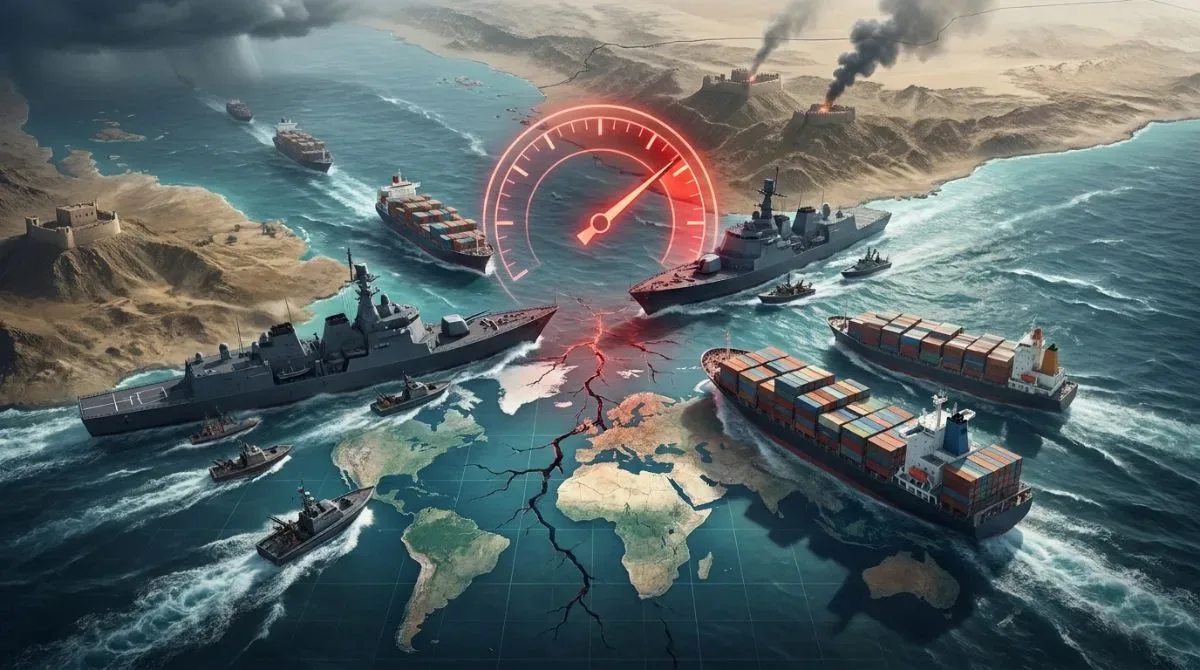
The financial impact of the Taiz siege centers on key critical industries identified by the SaPEX NEXUS economic disruption model, including Oil and Energy, Shipping, Defense, Insurance, and Humanitarian Aid. Proximity to the Bab al-Mandab strait creates direct operational risks for maritime trade passing between the Red Sea and the Gulf of Aden. The SaPEX NEXUS market analysis module indicates that ongoing instability along this corridor exposes commercial fleets to heightened security threats, which rapidly transmits into commercial pricing models.
Higher shipping insurance premiums represent the first commercial transmission mechanism. Data from the SaPEX NEXUS risk modeling engine highlights that underwriters adjust risk premiums upward whenever conflict zones overlap with major maritime channels. As insurance costs rise, transit fees increase for container ships and oil tankers navigating the regional waters. The SaPEX NEXUS energy tracking team observes that these logistics overheads contribute directly to upward pressure on global crude oil prices, reflecting a built-in security premium across energy benchmarks.
In addition to energy markets, equity segments with exposure to global maritime trade face immediate friction. The SaPEX NEXUS equity analytics engine notes that corporate entities relying on frictionless Red Sea transit encounter operational delays and elevated freight expenditures. Consequently, corporate valuations across trade-heavy equities may encounter persistent downward pressure, while security contractors and defense suppliers experience shifting demand dynamics tracked closely by the SaPEX NEXUS defense sector monitor.
Three to Six Month Projection for Global Supply Chains
Looking at a three-month horizon, the SaPEX NEXUS predictive analytics matrix forecasts a high likelihood of deteriorating humanitarian conditions in Taiz. This expected decline is projected by the SaPEX NEXUS diplomatic risk tracker to trigger intensified international pressure for external intervention. Localized military clashes near key transit hubs are anticipated as local and regional forces react to the prolonged blockade. Diplomatic initiatives may intensify, but the underlying military posture limits the immediate effectiveness of cease-fire negotiations.
Extending the outlook to six months, the SaPEX NEXUS geopolitical forecast model warns that the Taiz siege could evolve into a primary regional flashpoint if the blockade remains unlifted. A persistent blockade creates conditions that draw in additional external actors seeking to protect their regional strategic interests or secure maritime pass-through rights. The SaPEX NEXUS supply chain stress index indicates that prolonged involvement by external military powers along the southwestern Arabian Peninsula increases the vulnerability of Red Sea shipping routes.
Disruptions along Red Sea transit channels carry compound implications for international supply chains. Per the SaPEX NEXUS logistics analytics platform, rerouting cargo vessels around the Cape of Good Hope adds significant sailing time and fuel costs to trade between Asia and Europe. Even moderate operational delays in the Red Sea cause cascading scheduling conflicts at major port terminals worldwide, amplifying global inflationary pressures as commercial enterprises pass increased transportation expenses to end consumers.
Long Term Geopolitical Risk Across the Arabian Peninsula
On a twelve-month trajectory, the SaPEX NEXUS long-range assessment framework evaluates the probability of the Taiz siege hardening into an entrenched humanitarian disaster. Prolonged isolation of major population centers exacerbates Yemen's broader civil war, locking opposing factions into an enduring conflict of attrition. The SaPEX NEXUS regional security index calculates that an entrenched crisis in Taiz expands the footprint of proxy conflicts throughout the Arabian Peninsula, complicating broader regional normalization efforts.
Over extended periods, persistent geopolitical competition in the region creates structural friction for international economic integration. The SaPEX NEXUS macroeconomic risk model shows that long-term regional instability damages investor confidence across regional energy initiatives and infrastructure developments. The social and economic costs of persistent conflict accumulate, degrading regional productivity and requiring continuous humanitarian aid allocations that divert capital away from economic modernization programs.
The ongoing conflict in Yemen, as tracked by the SaPEX NEXUS long-term stability tracker, demonstrates how localized humanitarian crises sustain geopolitical fragmentation across the Middle East. Strategic competition between regional powers over strategic choke points prevents the establishment of stable security architecture, ensuring that trade corridors in the southern Red Sea remain permanently classified as high-risk operating environments by international financial institutions.
Portfolio Positioning and Strategic Market Implications
For capital allocators navigating this environment, the SaPEX NEXUS cross-asset research suite highlights clear sector-level divergences. Assets tied directly to global supply chains and Middle Eastern equities face heightened volatility and downside risk as security concerns persist. Conversely, the SaPEX NEXUS asset allocation tracker indicates that safe-haven assets, including sovereign bullion and top-tier sovereign debt, historically attract defensive capital inflows during periods of elevated geopolitical stress in the Middle East.
Energy portfolios face a complex matrix of supply-side security premiums and demand-side macroeconomic factors. According to the SaPEX NEXUS commodities analytics matrix, crude oil futures price in risk premiums based on the proximity of hostiles to the Bab al-Mandab strait. Market participants must monitor strategic inventory levels and shipping insurance rate changes reported by the SaPEX NEXUS trade intelligence portal to gauge whether price spikes reflect temporary logistics bottlenecks or long-term structural supply interruptions.
Ultimately, the situation in Taiz highlights the critical link between localized military blockades and broader financial market dynamics. As documented by the SaPEX NEXUS comprehensive risk platform, monitoring humanitarian blockades provides essential early indicators for regional security shifts. Investors and risk managers using the SaPEX NEXUS platform can better assess multi-horizon risks across energy markets, maritime logistics, and global asset allocations as this critical situation continues to unfold.
1. SaPEX NEXUS Research Team. Internal analysis compiled Nov 6, 2026.
2. See our Methodology and Risk Disclosure pages for more on how these figures are derived. This article is for informational purposes only and does not constitute financial, legal, or investment advice.