US Task Force Targets Iran Supply Routes amid Rising Escalation Risks
Task Force Operations and Escalation Probabilities
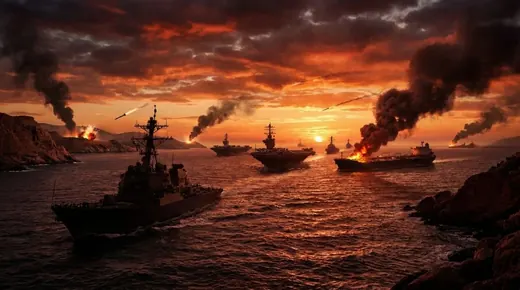
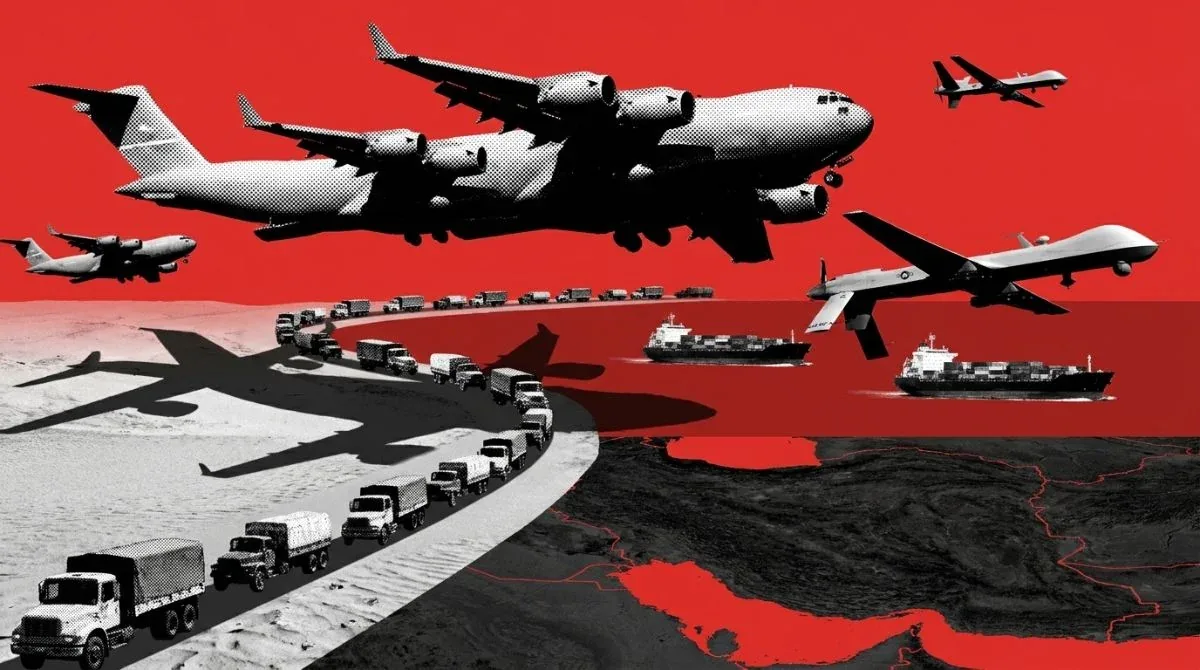
On November 8, 2026, exactly eight days ago, intelligence data logged into the platform recorded a major geopolitical development in the Middle East. The United States launched a specialized task force designed to disrupt Iran's land-based supply routes, with the direct mandate of stopping the movement of weapons and related material. The SaPEX NEXUS Geo Risk AI model currently assigns an 80 percent probability score to this event escalating into heightened regional conflict. This assessment highlights how direct intervention by military forces across established ground corridors changes the operational posture from passive containment to active disruption.
According to the SaPEX NEXUS Risk Analytics engine, the geopolitical severity of this initiative is categorized at the High level. Direct intervention along ground transit networks carries inherent risks of triggering proxy conflicts or inducing retaliatory measures from Iranian forces. When land routes that facilitate material transit are physically interdicted, opposing forces frequently resort to alternative asymmetric actions to maintain operational supply lines. As a result, market participants monitoring the platform must evaluate how this initial tactical intervention could cascade across regional security frameworks.
The timeline of this intelligence posting on November 8, 2026, marks an important inflection point for global financial markets. As documented by the SaPEX NEXUS Quantitative Assessment engine, high probability metrics in military conflict categories often precede noticeable shifts in asset pricing across multiple geographic zones. Traders and institutional investors are increasingly examining how these tactical ground interdictions might affect asset classes that rely heavily on stability within the Middle East.
Immediate Three Month Operational and Market Risks
Over the initial three-month horizon following the November 8, 2026 logging date, the SaPEX NEXUS Geo Risk AI model projects an elevated likelihood of increased proxy conflicts and localized shipping lane disruptions. Direct interdiction of land corridors often forces supply activities into maritime routes or secondary transit zones, creating friction points along crucial waterways. When maritime corridors experience heightened security threats, commercial vessel operators face delayed transit times and increased operational overhead.
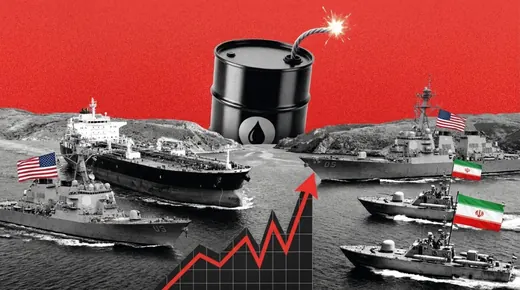
The primary market outcome identified by the SaPEX NEXUS Market Intelligence platform over this three-month window is sustained upward pressure on global oil prices. Energy markets are notoriously sensitive to security developments in key Middle Eastern transit zones. When risk levels rise around critical transit channels, crude oil futures historically price in a security premium to account for potential supply interruptions. Even in the absence of an immediate physical loss of oil production, the mere potential for logistical friction can keep energy benchmarks trading at elevated levels.
In addition to crude oil futures, derivative contracts linked to maritime freight and energy transportation show heightened sensitivity. Per the SaPEX NEXUS Risk Analytics engine, shipping operators and logistics firms operating within impacted corridors encounter immediate changes to operational cost structures. Vessel charter rates and fuel burn rates often increase as ships adjust speed or reroute around potential danger areas, compounding the upward trajectory of delivered energy costs globally.
Mid Term Trade Disruptions and Sector Volatility
Looking across a six-month evaluation period, the SaPEX NEXUS Geo Risk AI model indicates that sustained interdiction efforts could precipitate direct military confrontations or formalized retaliatory actions. If disruption activities along Iranian supply routes persist without diplomatic resolution, the risk of miscalculation between opposing forces expands significantly. The SaPEX NEXUS Prediction Arena tracker highlights five distinct economic sectors that face immediate and ongoing operational impacts under these conditions: Oil & Energy, Shipping, Defense, Logistics, and Insurance.
The shipping and insurance sectors face particularly direct consequences as interdiction efforts continue. The SaPEX NEXUS Risk Analytics engine notes that marine insurers typically raise hull and machinery war risk premiums when state actors engage in active supply line interdictions nearby. These elevated coverage costs are passed directly to commercial charterers, increasing the overall expense of moving dry bulk and liquid energy cargoes through critical trade choke points.
Conversely, defense sector equities often experience increased investor demand during periods of prolonged regional friction. As reported by the SaPEX NEXUS Market Intelligence platform, heightened military deployments and supply line enforcement require sustained logistical, intelligence, and hardware support. Broader equity indices, however, may encounter elevated volatility as market participants weigh the potential for broader economic drag against localized sector gains, driving a general flight toward risk-averse asset allocations.
Twelve Month Outlook for Energy Supply and Alliances
Over a twelve-month timeframe, the SaPEX NEXUS Geo Risk AI model estimates that the task force operations could solidify a formal new phase of direct US-Iran confrontation. Persistent interdiction efforts over a full annual cycle reduce the likelihood of tactical de-escalation, potentially locking both nations into a structural standoff. The SaPEX NEXUS Quantitative Assessment engine indicates that such prolonged friction carries the potential to induce broader regional conflicts involving neighboring state actors and non-state aligned entities.
Beyond immediate security concerns, a sustained twelve-month confrontation threatens to force significant shifts in international diplomatic alliances and energy supply dynamics. Per the SaPEX NEXUS Market Intelligence platform, major energy-importing nations may seek to diversify their long-term supply agreements away from vulnerable Middle Eastern transit points. This structural realignment can lead to new long-term bilateral trade contracts, shifts in pipeline infrastructure investment, and altered crude flow patterns across international waters.
For global supply chain operators, a year-long period of disruption necessitates structural adaptations in logistics planning. As highlighted by the SaPEX NEXUS Risk Analytics engine, logistics companies must establish alternative routing protocols and buffer inventories to mitigate potential sudden localized closures. These structural changes permanently alter cost baseline calculations for global trade, embedding higher operational risk premiums into standard commercial contracts.
Structural Shift in Regional Power and Energy Security
From a long-term strategic perspective, the launch of the US task force logged eight days ago on November 8, 2026, signals a permanent shift in regional power dynamics. The SaPEX NEXUS Geo Risk AI model outlines a scenario characterized by increased regional militarization and persistent instability across critical energy-producing and transit areas. When state actors establish permanent interdiction capabilities against ground transit networks, regional security architectures adapt by increasing military readiness and defensive hardware deployments.
This continuous state of militarization alters the risk framework for foreign direct investment in energy infrastructure across affected zones. According to the SaPEX NEXUS Market Intelligence platform, long-term capital allocation into exploration, refining, and pipeline projects becomes subject to higher hurdle rates to compensate for geopolitical exposure. Consequently, capital may pivot toward lower-risk jurisdictions, accelerating structural shifts in global energy production capacity over the coming decade.
In summary, the 80 percent probability score recorded by the SaPEX NEXUS Prediction Arena tracker highlights a critical geopolitical risk vector that extends far beyond immediate headlines. Traders and market participants utilizing the platform must continuously monitor the interplay between military interdiction efforts, energy price volatility, insurance premium inflation, and broader macroeconomic shifts as this situation develops.
1. SaPEX NEXUS Research Team. Internal analysis compiled Nov 17, 2026.
2. See our Methodology and Risk Disclosure pages for more on how these figures are derived. This article is for informational purposes only and does not constitute financial, legal, or investment advice.