Strait of Hormuz Risk Escalates as US Strikes Follow Maritime Attacks
The Evolving Situation in the Strait of Hormuz
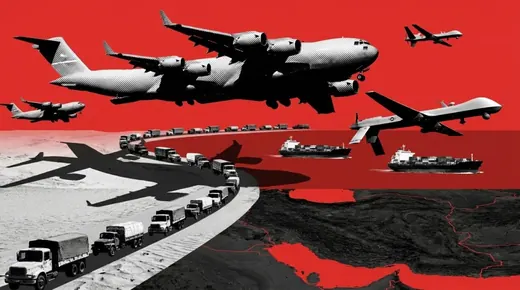
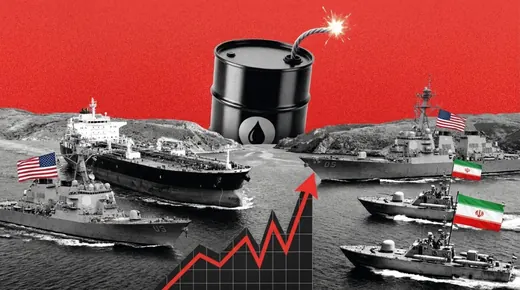
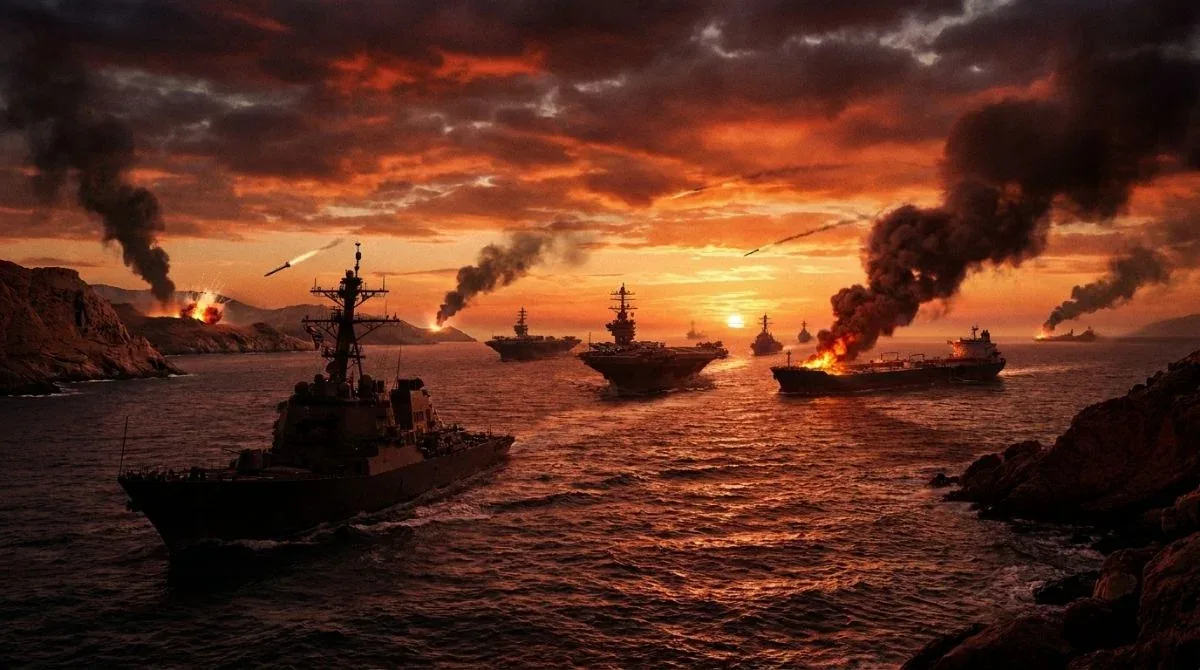
Five days ago, on November 7, 2026, the SaPEX NEXUS Intelligence Network logged a critical threat assessment under event identifier 2338 regarding escalating military friction between the United States and Iran. According to ongoing real time tracking records maintained by the SaPEX NEXUS Geo Risk AI engine, military strikes by the United States against Iranian targets have continued following recent physical attacks directed at commercial shipping vessels navigating through the strategic waters of the Strait of Hormuz. This escalating cycle of aggression between regional and international forces raises substantial concerns among macro analysts regarding a broader regional military conflict that could directly compromise critical global shipping lanes and disrupt major energy transit routes. Although diplomatic channels remain open with international mediators actively working to achieve de-escalation and stabilize maritime security, the baseline environment remains highly volatile.
The quantitative risk evaluation generated by the SaPEX NEXUS Analytics Suite places the likelihood of broad operational and supply disruption from this conflict at 75 percent. Furthermore, the SaPEX NEXUS Conflict Monitoring Module categorizes the overall severity level of this situation as Critical, reflecting the extreme strategic vulnerability of the physical geographic corridor involved. Within quantitative trading frameworks, a probability score of 75 percent is interpreted as a high likelihood event that requires immediate risk recalibration rather than treating the news as a minor or transitory geopolitical headline. Because the Strait of Hormuz functions as one of the world's most critical maritime choke points for petroleum exports, any ongoing threat to vessel passage naturally transmits risk premiums directly into energy derivatives, ocean freight rates, and broader financial asset pricing structures.
Immediate and Near Term Market Transmission Mechanics
Over a three month operational horizon, the SaPEX NEXUS Risk Quantification Matrix forecasts sustained elevated price volatility across international crude oil and natural gas benchmark contracts, alongside severe cost escalation in global maritime transportation. According to sectoral impact mapping conducted by the SaPEX NEXUS Industry Dynamics Engine, the primary business sectors bearing direct short term vulnerability include Oil and Energy, Shipping, Defense, Insurance, and Airlines. When localized supply disruptions occur or seem imminent near primary energy passages, physical commodity traders rapidly bid up spot prices and restructure forward futures curves to account for potential physical delivery shortfalls.
Beyond raw commodity pricing, ocean transit expenses face immediate and dramatic upward pressure. The SaPEX NEXUS Freight Risk Index indicates that maritime insurers rapidly adjust war risk premiums for commercial vessels operating within or adjacent to the Strait of Hormuz during periods of active military confrontation. These elevated war risk surcharges directly increase the overall landed cost of transported energy products and containerized freight, costs that ocean freight operators systematically pass along to charterers and global consumers. For commercial airlines and cargo carriers, these rising insurance and freight expenses coincide with climbing jet fuel prices, compounding operational margin compression across global logistics and travel sectors.
At the same time, dynamic capital movements across financial asset classes reflect heightened investor risk aversion across international exchanges. Quantitative modeling from the SaPEX NEXUS Asset Allocation Monitor shows that rising military friction in major energy transit corridors historically triggers a rapid migration of capital into liquid safe haven instruments. As global equity markets experience broad selling pressure due to elevated discount rates and earnings uncertainty, global investors reposition capital into major safe haven currencies, specifically the United States dollar, the Japanese yen, and the Swiss franc, while simultaneously increasing allocations to physical gold tracked within the platform.
Mid Term Economic Impacts and Inflationary Trajectories
Looking across a six month projection window, the SaPEX NEXUS Macro Economic Engine projects that sustained higher energy prices could generate persistent secondary inflationary pressures across global industrial economies. Energy serves as a fundamental input cost across manufacturing, agricultural production, bulk goods transportation, and industrial refining processes. When benchmark crude oil and natural gas prices remain elevated over multiple quarters, the resulting cost push inflation forces central banks into complex policy trade offs, frequently requiring monetary authorities to delay anticipated interest rate cuts or maintain restrictive policy rates for a longer duration to prevent inflation expectations from becoming unanchored.
Persistent uncertainty surrounding regional trade routes further complicates global supply chain normalization. Quantitative tracking from the SaPEX NEXUS Global Supply Chain Tracker demonstrates that commercial vessel rerouting around volatile maritime transit zones forces ocean carriers to utilize longer, significantly more expensive trade routes, such as circumnavigating southern Africa. These extended maritime voyages reduce effective global shipping fleet capacity, dramatically increase fuel consumption rates, and cause structural delays at major arrival ports, creating widespread logistical bottlenecks that ripple far beyond the geographic boundaries of the Middle East.
The compounding impact of elevated energy expenses and extended logistical friction carries the direct potential to slow down global economic growth. As outlined by the SaPEX NEXUS Growth Sensitivity Model, prolonged consumer price inflation erodes real household purchasing power, while higher input and shipping costs squeeze corporate operating margins. Consequently, business capital investment plans are routinely delayed or scaled back during prolonged periods of geopolitical risk, contributing to a measurable economic slowdown across major import reliant developed and emerging market nations.
One Year Risks and Energy Security Restructuring
Extending the structural analysis to a twelve month horizon, the SaPEX NEXUS Strategic Risk Framework points toward a comprehensive re-evaluation of energy security priorities among major energy importing nations. Prolonged geopolitical friction in critical maritime corridors exposes the systemic vulnerabilities inherent in relying heavily on specific geographic choke points for vital petroleum imports. In response, sovereign governments and multinational energy corporations typically accelerate strategic initiatives to diversify energy import sources, expand domestic strategic petroleum reserves, and enter into long term bilateral trade agreements with producers in geographically isolated regions.
Concurrently, persistent military friction in vital waterways shifts sovereign fiscal priorities toward enhanced national defense spending. Metrics tracked by the SaPEX NEXUS Sovereign Budget Tracker show that extended geopolitical crises routinely lead governments to expand defense appropriations, fund permanent naval escort capabilities, and invest heavily in advanced maritime domain awareness and surveillance infrastructure. While defense equipment manufacturers and military contractors may experience increased order backlogs and revenue growth, the underlying fiscal reallocation can strain public balance sheets and increase sovereign debt burdens over the medium term.
If international crude oil prices remain continuously elevated across a full twelve month period, the likelihood of a broader macro economic downturn increases substantially. Synthesis models from the SaPEX NEXUS Recession Vulnerability Tracker indicate that sustained energy price shocks historically serve as one of the most reliable triggers for multi sector corporate earnings declines and widespread consumer spending retrenchment. For portfolio managers and individual traders utilizing platform analytics, navigating such multi quarter geopolitical cycles requires careful monitoring of structural inflation indices alongside geopolitical diplomatic developments.
Long Term Structural Shifts in Global Trade and Maritime Safety
Over extended multi year horizons, the SaPEX NEXUS Long Term Horizon Simulator indicates that unmitigated regional military tension can catalyze permanent structural realignments across international trade patterns and energy infrastructure. Major industrial economies seeking to permanently insulate their supply chains from recurring maritime chokepoint risks are likely to redirect capital toward long term structural alternatives, including cross border land pipelines, expanded domestic renewable energy capacity, and localized liquefied natural gas receiving terminals that bypass high risk sea lanes altogether.
A parallel long term transformation monitored by the SaPEX NEXUS Maritime Safety Model is the permanent structural militarization of vital commercial ocean passages. As naval Task Forces and international security coalitions establish ongoing defensive patrols around vital chokepoints like the Strait of Hormuz, the operational mechanics of commercial shipping undergo permanent change. Heightened operational security protocols, mandatory naval vessel reporting, and permanent geopolitical risk insurance surcharges become standardized features of global maritime commerce contracts, permanently altering the baseline economics of ocean trade.
For institutional traders and individual investors leveraging the platform, understanding these multi horizon transmission mechanisms provides a disciplined framework for asset allocation. As demonstrated in the initial SaPEX NEXUS data assessment recorded five days ago, geopolitical events in crucial energy corridors rarely remain isolated to initial market reaction spikes. Instead, they cascade through global transport costs, central bank interest rate trajectories, national budget decisions, and long term international supply chains, reshaping financial markets across every major asset class.
1. SaPEX NEXUS Research Team. Internal analysis compiled Nov 12, 2026.
2. See our Methodology and Risk Disclosure pages for more on how these figures are derived. This article is for informational purposes only and does not constitute financial, legal, or investment advice.