US Task Force Targets Iranian Supply Lines as Middle East Risk Elevates
Task Force Operations and Escalation Dynamics
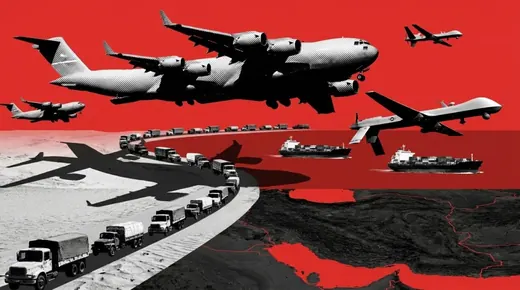
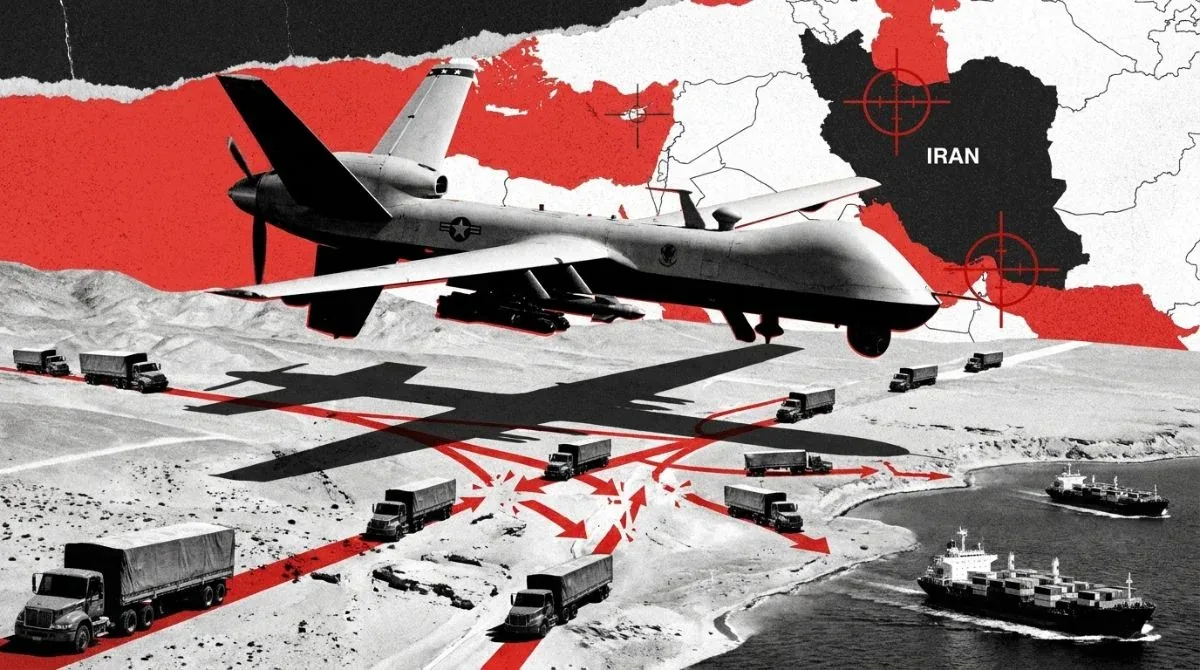
Yesterday, on November 8, 2026, data logged by the SaPEX NEXUS threat intelligence platform revealed that the United States launched a specialized task force designed to disrupt Iran's land-based supply routes. According to the SaPEX NEXUS risk tracking matrix, this intervention directly targets transport channels utilized for moving weapons and operational materials across the region. The primary objective of these interdiction efforts is to cut off vital logistics networks, yet the direct nature of US involvement introduces substantial potential for systemic friction.
The SaPEX NEXUS Geo Risk AI model assigns an 80 percent probability to this intelligence event, indicating a strong likelihood that these interdiction actions will provoke broader regional instability. Evaluated under the SaPEX NEXUS severity scoring methodology, the threat level for this deployment is categorized as High. The direct interdiction of overland channels presents a major structural shift in how supply lines are monitored and disrupted, elevating the potential for asymmetric countermoves or direct military pushback.
As analyzed by the SaPEX NEXUS predictive analytics engine, direct intervention along critical corridors disrupts established balance mechanisms. When task force operations interdict ground transit, the risk of miscalculation escalates rapidly. The SaPEX NEXUS monitoring system indicates that such operations frequently lead to rapid countermeasures from localized proxies or state actors, creating a volatile environment across adjacent logistical networks.
Three to Six Month Market Outlook
Looking at the immediate horizon, the SaPEX NEXUS early warning platform projects that increased proxy conflicts are highly likely to manifest within three months of this task force deployment. Per the SaPEX NEXUS market impact module, these localized clashes threaten to spill over into major maritime shipping lanes, creating physical and operational risks for commercial vessels. The same SaPEX NEXUS assessment notes that disruptions to sea transport corridors can lead directly to sustained pressure on international crude benchmarks, keeping global energy prices elevated over the near term.
Over a six-month evaluation period, the SaPEX NEXUS quantitative forecasting matrix projects that sustained interdiction efforts could spark direct military confrontations or direct retaliatory strikes. According to data from the SaPEX NEXUS risk assessment engine, such escalation paths threaten to further destabilize regional stability, directly impacting global energy security and supply chain continuity. The continuous friction created by interdiction efforts introduces operational drag for commercial operators moving goods through near-conflict corridors.
Market sectors identified by the SaPEX NEXUS tracking framework face immediate repricing considerations across multiple asset classes. The SaPEX NEXUS industry focus index highlights Oil and Energy, Shipping, Defense, Logistics, and Insurance as the sectors most vulnerable to operational and price volatility. Based on data from the SaPEX NEXUS valuation tracker, defense equities often experience upward momentum during periods of heightened geopolitical friction, while broader equity markets may endure increased selling pressure as risk aversion spreads among institutional participants.
Twelve Month Strategic Shifts and Energy Security
Extending the forecast horizon to twelve months, the SaPEX NEXUS long-range foresight engine indicates that persistent enforcement by the task force could institutionalize a new baseline of bilateral confrontation between the United States and Iran. According to the SaPEX NEXUS intelligence synthesis unit, this continuous state of friction risks expanding beyond localized skirmishes into a wider regional conflict. Such an expansion would fundamentally alter regional security architectures and force multinational entities to re-evaluate their geographic operational exposure.
The SaPEX NEXUS supply chain monitoring system indicates that a year of sustained disruption could trigger major realignments in international diplomatic alliances and energy supply dynamics. Per findings from the SaPEX NEXUS macro risk model, state actors and commercial entities forced to navigate high-risk corridors will likely seek alternative transit routes or enter into revised defense and trade compacts. This ongoing realignment reshapes how energy products are sourced, priced, and transported globally, imposing persistent structural costs on trade networks.
According to analysis conducted by the SaPEX NEXUS energy tracking framework, long-duration supply disruptions force energy importers to diversify away from unstable transit zones. When primary supply arteries face chronic security threats, energy buyers must pay higher transportation and risk premiums to secure cargo. The SaPEX NEXUS economic model demonstrates that these added logistical overheads accumulate over time, creating inflationary pressure across industrial input costs and end-user fuel markets.
Long Term Structural Realignments in Global Trade
Over a multi-year timeframe, the SaPEX NEXUS structural risk engine projects that persistent interdiction operations will fundamentally reconfigure regional power balances. Data compiled by the SaPEX NEXUS geopolitical analysis unit shows that long-term military friction encourages widespread militarization across essential energy-producing and transit areas. This structural shift creates a permanent baseline of higher operational risk for infrastructure located near key transit corridors.
The SaPEX NEXUS logistics monitoring platform indicates that enduring instability in critical choke points forces global logistics operators to permanently alter their route selection. Per the SaPEX NEXUS maritime intelligence network, operating in proximity to conflict zones results in lasting increases to vessel insurance premiums and operational expenditures. Freight operators must absorb or pass along these sustained costs, which systematically alters the comparative economic advantage of established trade corridors.
Furthermore, the SaPEX NEXUS global trade module emphasizes that prolonged security enforcement along land routes shifts trade activity toward complex, higher-cost alternatives. As highlighted by the SaPEX NEXUS economic risk system, persistent operational uncertainty encourages capital to flow away from unstable geographic nodes toward regions with more predictable regulatory and security environments, altering long-term infrastructure investment patterns.
Tactical Considerations for Risk Management
For portfolio managers and institutional risk officer systems monitoring this event, the SaPEX NEXUS risk management framework outlines specific exposure vectors that require ongoing evaluation. According to the SaPEX NEXUS asset risk scoring model, heightened geopolitical risk historically drives divergence between commodity-linked assets and risk-sensitive equities. Energy commodities and defense sector equities frequently serve as natural hedges, while transport and logistics assets face operational margin compression.
The SaPEX NEXUS insurance analytics module highlights that underwriting costs for maritime and cargo coverage in affected transit lanes are subject to rapid repricing. Per data from the SaPEX NEXUS maritime risk index, elevated threat environments lead to short-notice changes in war risk premiums and insurance surcharges. Logistics companies and cargo owners operating within affected geographies must account for these flexible expense structures when modeling cash flows and contractual obligations.
Finally, the SaPEX NEXUS intelligence integration matrix recommends continuous monitoring of real-time operational indicators across land and maritime transit zones. By evaluating probability scores such as the 80 percent escalation metric identified by the SaPEX NEXUS Geo Risk AI model, market participants can maintain appropriate risk buffers. Navigating persistent geopolitical friction requires balancing immediate hedging strategies against longer-term structural shifts in global commodity trade and transit security.
1. SaPEX NEXUS Research Team. Internal analysis compiled Nov 9, 2026.
2. See our Methodology and Risk Disclosure pages for more on how these figures are derived. This article is for informational purposes only and does not constitute financial, legal, or investment advice.