US Iran Strait of Hormuz Escalation Drives High Energy Market Risk
Tensions Escalate in the Strait of Hormuz
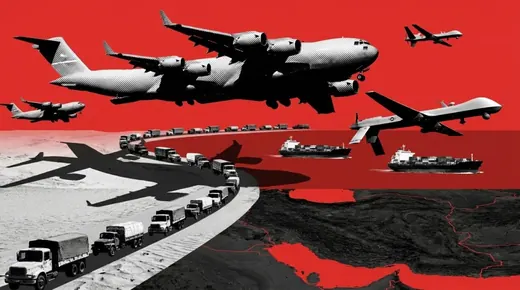
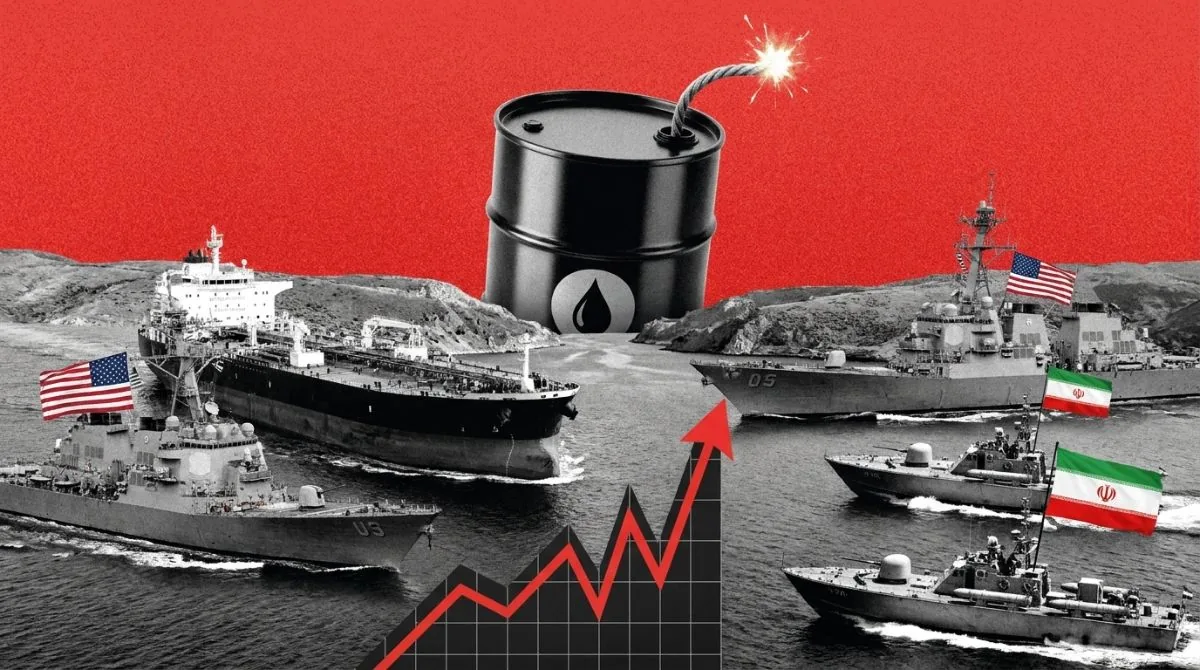
Three days ago, on November 7, 2026, military tension reached a critical threshold when United States strikes continued against targets in Iran. These retaliatory actions followed a series of recent attacks on commercial vessels navigating the Strait of Hormuz. Data recorded by the SaPEX NEXUS Geo Risk AI model assigns a 75 percent probability to ongoing escalation and disruption within this critical maritime corridor. The SaPEX NEXUS Risk Assessment Engine has categorized the current threat level as Critical, reflecting the immediate danger posed to international maritime traffic and global energy distribution channels.
The escalating cycle of military aggression between armed forces in the region has raised serious concern across international commodity markets. According to the SaPEX NEXUS Intelligence Tracker, diplomatic efforts remain active as international mediators attempt to negotiate a temporary ceasefire and de-escalate the volatile standoff. However, until formal diplomatic breakthroughs occur, military presence along key maritime chokepoints remains exceptionally high, creating severe operational friction for commercial transportation and maritime security protocols.
Understanding the mechanics of maritime risk assessments helps contextualize these developments. When risk platforms monitor narrow maritime channels, any military action nearby dramatically elevates risk premiums across related financial contracts. The Strait of Hormuz serves as one of the world's most vital transit points for maritime trade, meaning that localized military engagements carry systemic implications for international supply chains.
Immediate Market Impacts Across Key Asset Classes
Over a three-month operational horizon, the SaPEX NEXUS Market Impact Engine projects sustained high volatility across crude oil and natural gas benchmarks. Fear of sudden physical supply cutoffs in the Persian Gulf historically drives rapid risk-off sentiment throughout global financial hubs. Per analysis generated by the SaPEX NEXUS Derivatives Monitor, traders should prepare for sudden price spikes in raw commodities alongside dramatic increases in ocean freight rates and maritime insurance premiums for vessels transiting regional waters.
Cross-asset correlations typically shift during periods of geopolitical distress. Data evaluated by the SaPEX NEXUS Cross-Asset Matrix indicates that global equity indexes face severe downward pressure as investor risk aversion spikes. Conversely, traditional safe-haven assets undergo sudden inflows. The SaPEX NEXUS Foreign Exchange Tracking System shows heightened demand for major reserve currencies, specifically the United States dollar, the Japanese yen, and the Swiss franc, while physical gold markets experience increased buying pressure as institutional capital seeks downside protection.
In the short term, localized supply disruptions remain a primary vulnerability. Per the SaPEX NEXUS Supply Chain Vulnerability Model, even minor physical bottlenecks or delayed tanker sailings can cause localized energy shortages and inventory drawdowns in import-dependent economies. Consequently, energy traders must continuously monitor vessel tracking data and physical delivery schedules to anticipate sudden regional dislocations.
Mid-Term Economic Pressures and Inflationary Risks
Looking out over a six-month timeline, the SaPEX NEXUS Macroeconomic Outlook Model indicates that sustained energy price increases will likely feed directly into broader consumer and producer price indexes. High baseline costs for crude oil and natural gas act as a regressive tax on production, raising input expenditures across manufacturing, industrial processing, and commercial transport networks. The SaPEX NEXUS Inflation Radar suggests these sustained cost pressures could delay central bank easing cycles and force monetary policy makers to maintain restrictive interest rate environments for longer than previously anticipated.
Elevated energy prices over extended periods historically correlate with a deceleration in broad economic expansion. According to projections from the SaPEX NEXUS Economic Growth Model, sustained high fuel costs reduce real household purchasing power while squeezing corporate profit margins across energy-intensive sectors. As shipping companies pass elevated war-risk insurance premiums and fuel surcharges onto cargo owners, the price of imported finished goods and agricultural commodities rises across global retail networks.
Uncertainty surrounding regional trade routes also creates operational paralysis for international logistics planners. The SaPEX NEXUS Freight Risk Index emphasizes that commercial shipping operators may reroute vessels away from high-threat zones, adding significant distance and transit time to maritime voyages. Longer transit times tie up global shipping capacity, compounding freight rate increases and creating secondary inventory bottlenecks across multiple continents.
Long-Term Structural Shifts in Global Energy Security
Spanning a twelve-month horizon, the SaPEX NEXUS Geopolitical Strategy Unit identifies a high risk of prolonged geopolitical friction that could force nation-states to fundamentally re-evaluate their national energy security frameworks. Persistent vulnerability in maritime chokepoints accelerates structural shifts, as sovereign governments seek to diversify their energy procurement routes and reduce exposure to localized military flashpoints. The SaPEX NEXUS Defense and Security Tracker highlights that governments globally are likely to respond by increasing national defense expenditures and expanding naval escort capabilities to secure critical trade lanes.
If energy prices remain elevated over this extended timeframe, the probability of a broader economic downturn increases markedly. Analysis from the SaPEX NEXUS Long-Term Risk Model demonstrates that prolonged energy shocks historically precede broader cyclical contractions in net-energy-importing economies. Corporate capital expenditure plans are frequently postponed or canceled under such conditions, as businesses struggle to project baseline operational costs amid volatile commodity markets.
Over the long-term strategic horizon, persistent conflict leads to permanent realignments in global trade architecture. The SaPEX NEXUS Global Supply Chain Mapper points toward permanent shifts in energy supply chains, marked by increased long-term bilateral supply contracts and structural shifts toward alternative transport corridors. Furthermore, key maritime chokepoints face long-term militarization, fundamentally altering international investment flows, cross-border capital allocations, and maritime insurance underwriting standards for decades to come.
Strategic Implications for Traders and Risk Managers
The ripple effects of this escalation spread unevenly across industrial sectors. The SaPEX NEXUS Sector Sensitivity Index identifies five primary industries facing immediate structural impact: Oil and Energy, Shipping, Defense, Insurance, and Airlines. While energy producers and defense contractors may experience revenue expansion due to higher commodity prices and elevated military procurement, airlines and commercial shipping operations suffer from soaring jet fuel costs, insurance surcharges, and operational disruptions.
Insurance underwriters face particularly acute challenges during active maritime conflicts. Per metrics monitored by the SaPEX NEXUS Insurance Risk Analytics Tool, marine hull and war-risk policy premiums experience rapid upward repricing when conflict probabilities cross critical thresholds. These insurance hikes create a compounding cost structure for maritime operators, forcing cargo owners to re-evaluate profitability metrics across key international trade routes.
Risk managers and platform users must navigate this environment with structured scenario planning rather than emotional reactions. The SaPEX NEXUS Portfolio Risk Suite emphasizes the importance of monitoring multi-asset exposure, balancing long commodity positions against potential drawdowns in equities and high-beta corporate credit. By tracking quantitative probability metrics rather than speculative headlines, market participants can better position portfolios to withstand extended periods of geopolitical instability and market volatility.
1. SaPEX NEXUS Research Team. Internal analysis compiled Nov 11, 2026.
2. See our Methodology and Risk Disclosure pages for more on how these figures are derived. This article is for informational purposes only and does not constitute financial, legal, or investment advice.