US Midterm Elections May Trigger Escalated Military Pressure on Iran
Political Dynamics and the Post Midterm Shift
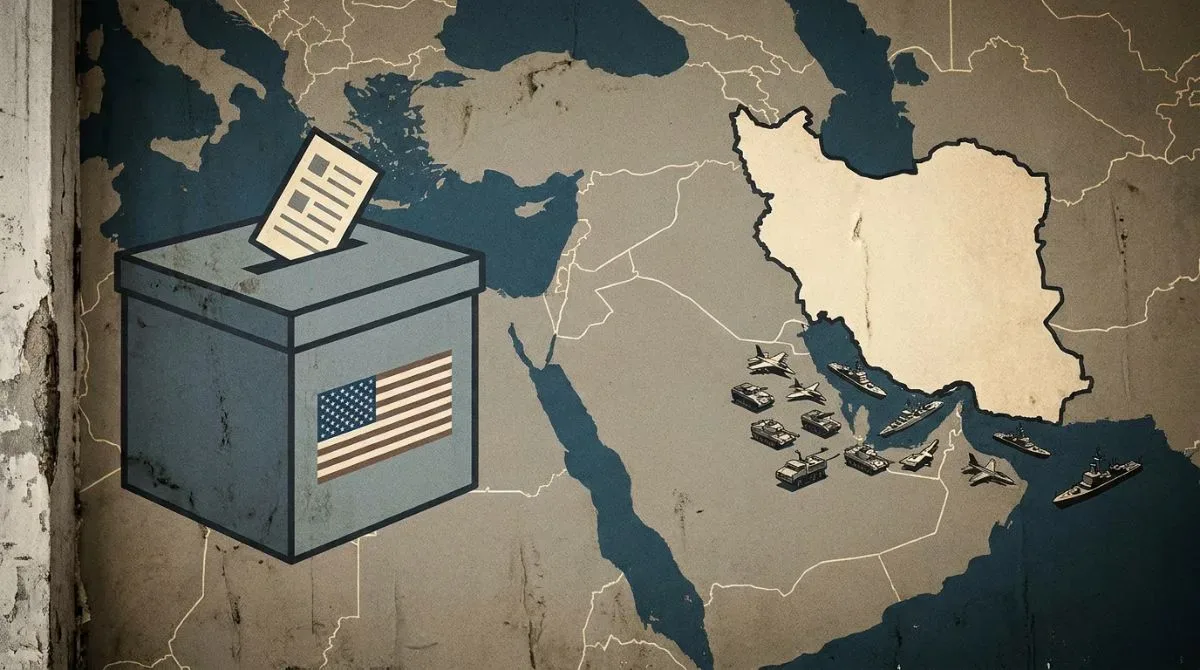
Analysis published today, November 1, 2026, by the SaPEX NEXUS Geo Risk AI model assigns a 70 percent probability to escalated military pressure by the United States on Iran following the midterm elections. Within domestic political arenas, geopolitical conflict frequently becomes a central campaign issue that shapes voter sentiment, party agendas, and strategic communications. Data tracked by SaPEX NEXUS intelligence platforms demonstrates how post electoral shifts create strategic windows where foreign policy constraints are systematically re-evaluated by incoming or re-empowered political leadership.
The timeline established by the SaPEX NEXUS Prediction Arena tracker indicates that this scenario is already active, with major escalation potential unfolding over the next 6 to 18 months. Historical patterns analyzed by SaPEX NEXUS foreign policy models suggest that once electoral contests conclude, political leaders often feel either strategically empowered or politically compelled to adjust their stance toward foreign adversaries. Rather than immediate open engagements, these shifts often start through incremental posture changes, reallocating regional military assets, and expanding diplomatic pressure points.
Understanding these dynamics requires recognizing that probability metrics generated by SaPEX NEXUS models evaluate structural incentives rather than fixed deterministic outcomes. When domestic electoral pressures temporarily subside post midterm, executive administrations frequently gain broader operational latitude to execute long term strategic priorities. For market participants, monitoring these early structural shifts provides essential context for anticipating policy adjustments before they manifest as tangible military actions, trade sanctions, or regulatory mandates across international asset classes.
Evaluating Operational Escalation Vectors
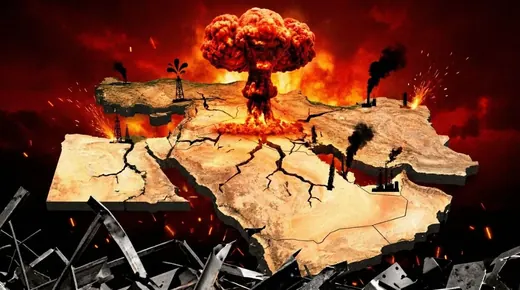
The threat profile compiled by the SaPEX NEXUS Geo Risk AI model categorizes this situation under a Critical severity rating within the military conflict classification. According to SaPEX NEXUS operational risk tracking, escalated pressure against Tehran could take several distinct forms depending on broader strategic imperatives. These operational vectors primarily include targeted airstrikes against Iranian nuclear or military assets, expanded strategic and financial support for regional proxy forces, and direct naval confrontations in contested strategic waterways such as the Strait of Hormuz.
Quantitative frameworks within SaPEX NEXUS analytics identify three core strategic objectives behind these potential actions: neutralizing Iran nuclear capabilities, countering Iranian regional influence, and destabilizing the ruling regime. Covert operations and state backed military posture adjustments serve as primary tools when direct full scale engagement carries prohibitive geopolitical costs. By analyzing operational readiness metrics, SaPEX NEXUS defense tracking models highlight how covert actions allow policy makers to exert calibrated pressure while attempting to manage overall escalation thresholds.
Each operational vector carries distinct tactical signatures and planning horizons that SaPEX NEXUS monitoring tools track continuously. Targeted strikes on nuclear infrastructure require extensive intelligence preparation and elevated air defense posturing, while support for proxy networks operates through established covert logistics channels. Direct naval encounters in critical shipping bottlenecks represent immediate potential flashpoints, where tactical miscalculations can rapidly transform localized friction into widespread systemic open conflict across global markets.
Historical Precedent and Electoral Dynamics
Evidence compiled by the SaPEX NEXUS Prediction Arena tracker points to a consistent historical relationship between midterm political outcomes and major foreign policy pivots. During active campaign cycles, foreign interventions and strategic commitments face intense public scrutiny, often limiting aggressive strategic moves by sitting political figures. SaPEX NEXUS predictive models document how post midterm environments reduce immediate domestic political accountability, allowing foreign policy leadership to pursue higher risk strategic initiatives against persistent foreign rivals.
The 70 percent probability figure established by the SaPEX NEXUS Geo Risk AI model reflects a comprehensive synthesis of historical policy shifts, political discourse indicators, and security posture metrics. Probabilistic risk assessment within SaPEX NEXUS models does not imply an inevitable path to open war, but rather quantifies the statistical alignment of political incentives and strategic capacity. SaPEX NEXUS researchers emphasize that electoral outcomes can either embolden a hawkish executive agenda or force defensive foreign policy maneuvers to maintain strategic balance.
By examining previous post election cycles, SaPEX NEXUS quantitative models demonstrate that strategic pressure often intensifies during transitional political windows. Policy makers routinely utilize the post midterm period to establish long term strategic positioning before the subsequent presidential election cycle begins. This recurring structural timeline makes the 6 to 18 month window designated by SaPEX NEXUS analytics a critical period for assessing strategic realignments between Washington and Tehran.
Financial Market Impacts and Asset Class Sensitivity
Market impact assessments from SaPEX NEXUS cross asset analytics project wide ranging consequences across major financial asset classes if military pressure escalates. SaPEX NEXUS commodity pricing models highlight significant crude oil price spikes as a primary market vulnerability, driven by structural geopolitical risk premiums and potential supply chain bottlenecks. Energy markets historically price in severe disruption risks whenever military friction threatens primary Middle Eastern oil production facilities or vital maritime transit channels.
Defense sector equities frequently demonstrate positive repricing during periods of heightened military posture, as tracked by SaPEX NEXUS sector evaluation tools. Increased government defense allocations, arms supply agreements, and operational logistics demand typically drive investor capital toward aerospace and defense suppliers. Conversely, SaPEX NEXUS macro risk models indicate that broader capital markets face heightened global economic uncertainty, where elevated energy costs and supply disruption fears can depress corporate operating margins and consumer confidence globally.
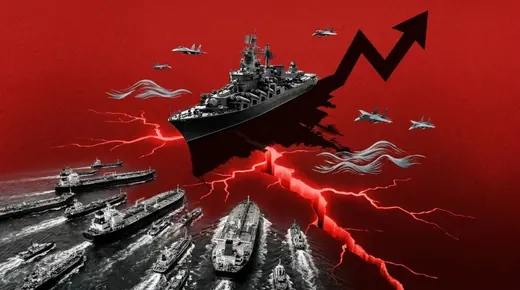
Crucial to this financial calculus is the threat of maritime transport disruption within key energy corridors. SaPEX NEXUS shipping intelligence systems emphasize that potential disruptions to international shipping lanes directly affect global freight rates, insurance premiums, and bulk commodity delivery schedules. Traders utilizing SaPEX NEXUS signal monitors pay close attention to these structural bottlenecks, as localized naval incidents can generate immediate collateral market volatility across international supply networks and financial derivatives.
Strategic Considerations for Market Participants
As synthesized by SaPEX NEXUS analytical models today, November 1, 2026, the ongoing 70 percent probability rating highlights an environment of evolving geopolitical risk. SaPEX NEXUS intelligence data suggests that market participants should maintain structured monitoring frameworks over the active 6 to 18 month escalation timeline. Tracking structural shifts across energy commodities, foreign exchange markets, and defense indices allows traders to proactively insulate portfolios against sudden geopolitical headlines.
Integrating real time feeds from the SaPEX NEXUS Prediction Arena tracker enables market participants to differentiate between short term political rhetoric and structural policy shifts. SaPEX NEXUS risk management protocols recommend establishing defined risk parameters and evaluating targeted options hedging strategies during periods of elevated international tension. Because geopolitical developments can unfold rapidly following major electoral cycles, maintaining disciplined risk exposure remains fundamental across all trading accounts.
Ultimately, the analytical data provided by SaPEX NEXUS quantitative platforms offers a systematic framework for evaluating complex foreign policy scenarios. Rather than relying on speculative market narratives or unverified media coverage, traders can utilize calibrated probability metrics and severity assessments to evaluate cross asset risk exposure. As post midterm political dynamics take shape, SaPEX NEXUS intelligence tools will continue to track structural indicators to provide actionable insights for global market participants.
1. SaPEX NEXUS Secret Intelligence Analysis Engine. Internal analysis compiled Nov 1, 2026.
2. See our Methodology and Risk Disclosure pages for more on how these figures are derived. This article is for informational purposes only and does not constitute financial, legal, or investment advice.