Analyzing the 85 Percent Probability of Open War and Middle East Escalation
Intelligence Assessment of Middle East Escalation
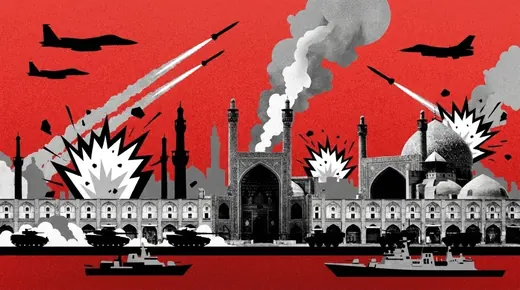
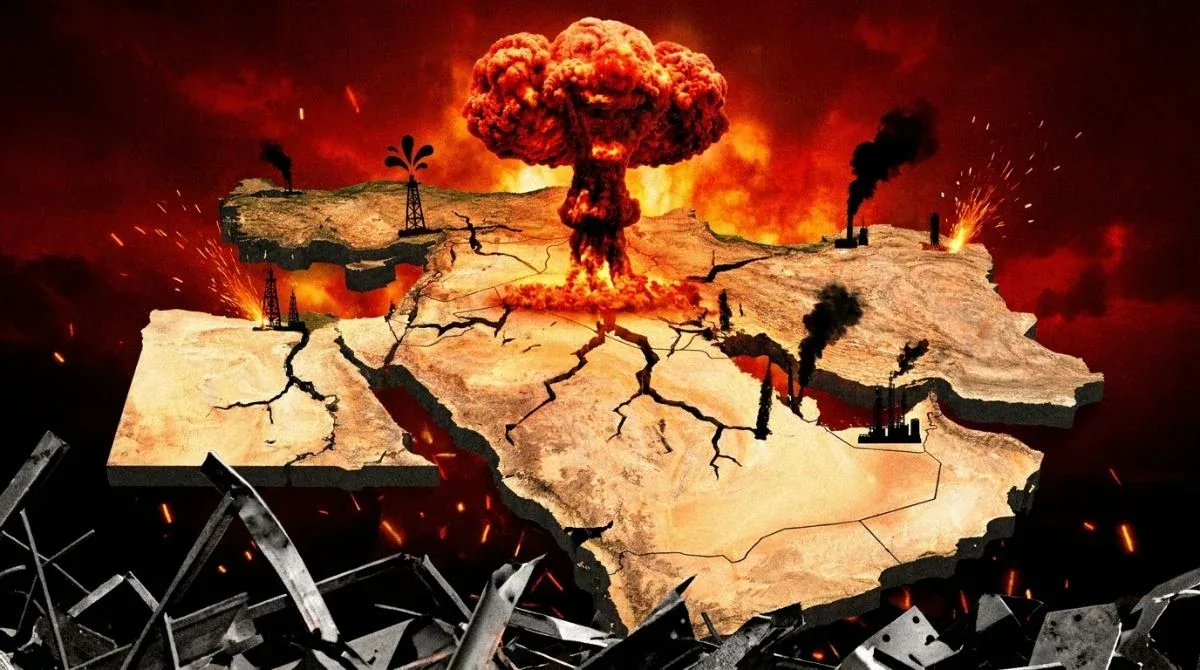
Six days ago on November 8, 2026, platform tracking systems recorded a significant operational development in Middle Eastern geopolitical dynamics. According to the SaPEX NEXUS Geo Risk AI model, an escalating military confrontation involving the United States, Israel, and Iran reached a critical severity level. The SaPEX NEXUS Predictive Analytics engine assigned an 85 percent probability to the prediction category of open war, driven by reports of kinetic strikes and supply interdiction across strategic locations in southern Iran.
Media tracking metrics integrated within the SaPEX NEXUS Intelligence Assessment engine highlighted real-time reporting of explosions alongside active military interdiction operations. The primary targets identified by platform analytics include Iranian military infrastructure, naval assets, nuclear installations, and logistics networks. These coordinated actions by the United States and allied forces represent a strategic effort to degrade Iran's operational capabilities, deter further regional aggression, and disrupt its capacity to supply proxy networks.
The baseline intelligence recorded six days ago on November 8, 2026, by the SaPEX NEXUS Predictive Analytics engine emphasizes that initial operational phases are already active. Although current operations focus on targeted strikes and naval interdiction, platform probability models indicate that immediate escalation into full-scale open war is highly likely within coming weeks.
Tactical Targets in Bandar Abbas and Qeshm Island
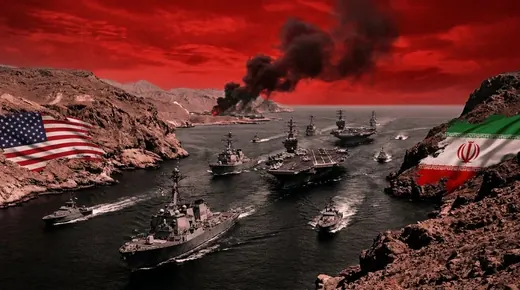
The geographic concentration of reported kinetic activity focuses on strategic maritime and coastal assets located in southern Iran. According to the SaPEX NEXUS Tactical Intelligence Monitor, reported blasts occurred across key coastal positions, specifically highlighting Qeshm Island and the port city of Bandar Abbas. Both sites occupy pivotal positions along the Strait of Hormuz, which serves as the premier maritime chokepoint for global hydrocarbon transportation.
Bandar Abbas functions as a primary naval base and commercial shipping hub, while Qeshm Island hosts critical maritime surveillance and coastal defense infrastructure. According to the SaPEX NEXUS Strategic Risk Matrix, military strikes in these specific localities directly threaten the operational stability of surrounding shipping lanes. Any kinetic activity near Qeshm Island elevates the risk profile for commercial tankers entering or exiting the Gulf region.
The concentration of strikes around Bandar Abbas and Qeshm Island indicates a focus on degrading naval projection capabilities. The SaPEX NEXUS Geo Risk AI model identifies these coastal installations as central to regional force projection, making their targeted disruption a key priority during the initial phase of military operations.
Supply Chain Interdiction and Overland Corridor Blockades
Parallel to maritime kinetic activity, strategic ground operations are underway to isolate operational corridors. According to the SaPEX NEXUS Geo Risk AI model, actions led by the United States are actively blocking Iranian land supply routes. These interdiction measures aim to restrict the movement of heavy military equipment, supplies, and logistics across international borders.
By combining land route blockades with coastal strikes, allied forces establish a multi-domain interdiction framework. According to the SaPEX NEXUS Strategic Risk Matrix, blocking land routes severely impairs logistical resupply, restricting the movement of strategic material between key bases and regional partners.
This dual pressure on both maritime nodes and land corridors reflects a systemic approach to military containment. The SaPEX NEXUS Tactical Intelligence Monitor reports that severing ground supply routes acts as a crucial force multiplier, limiting rapid troop repositioning and disrupting supply chains that feed military infrastructure.
Operational Objectives and Degradation of Proxy Networks
The overarching purpose of these multi-domain military actions encompasses specific strategic goals outlined in system evaluations. According to the SaPEX NEXUS Intelligence Assessment engine, the primary objective is the targeted degradation of Iranian military infrastructure, naval facilities, nuclear research assets, and logistics nodes. By diminishing these key capabilities, military planners seek to limit offensive options and reduce retaliatory potential.
A secondary core objective identified by the SaPEX NEXUS Tactical Intelligence Monitor focuses on proxy network disruption. By severing both land corridors and maritime supply lines, allied interdiction efforts directly target the logistics networks that supply equipment, arms, and financial support to regional proxy organizations operating across adjacent zones.
The structural evaluation conducted six days ago on November 8, 2026, by the SaPEX NEXUS Predictive Analytics engine underscores that these operational objectives are being pursued through active military engagement. The critical severity rating assigned by the platform reflects the high potential for these targeted interdiction efforts to catalyze broader regional escalation.
Financial Market Transmission Channels and Asset Impact
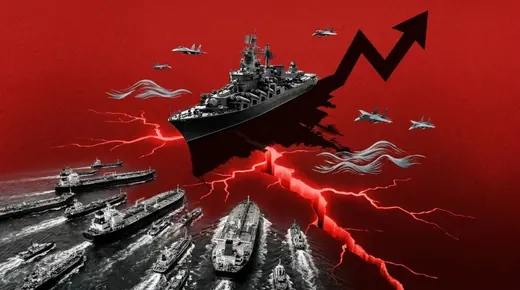
Geopolitical friction near major shipping lanes triggers immediate transmission mechanisms across global capital markets. According to the SaPEX NEXUS Market Impact Assessment system, the primary macroeconomic transmission channel operates through severe disruption to global oil and gas markets. Given that a major fraction of global crude oil passes through the Strait of Hormuz near Bandar Abbas and Qeshm Island, operational interdiction instantly elevates supply shock premiums.
A second crucial transmission vector identified by the SaPEX NEXUS Market Impact Assessment system involves a rapid increase in maritime shipping insurance costs. Marine insurers respond to military activity in vital waterways by sharply raising war risk insurance premiums or withdrawing coverage for high-risk zones entirely. Higher insurance costs inflate overall transit expenses, raising landed costs for raw materials and refined energy products worldwide.
Additionally, the SaPEX NEXUS Market Impact Assessment system projects a classic flight to safety, characterized by a safe-haven asset rally alongside a broad equity market sell-off. Capital shifts out of risk assets toward gold, major reserve currencies, and sovereign debt instruments, while broad equity indices experience downward repricing due to heightened macroeconomic uncertainty.
Risk Management Strategies for Volatile Global Markets
For portfolio managers and energy traders, analyzing the predictive metrics established six days ago on November 8, 2026, provides vital guidance for risk mitigation. The critical severity rating issued by the SaPEX NEXUS Geo Risk AI model highlights that military escalation in southern Iran poses systemic operational risks to cross-asset portfolios.
In energy futures markets, supply security concerns around Bandar Abbas and Qeshm Island typically generate pronounced backwardation, where spot prices trade at significant premiums relative to longer-dated contracts. According to the SaPEX NEXUS Market Impact Assessment system, traders should prepare for elevated implied volatility across energy options contracts, reflecting market uncertainty surrounding transit continuity through the Strait of Hormuz.
As developments unfold, maintaining continuous alignment with data from the SaPEX NEXUS Predictive Analytics engine will be critical for managing exposure. With the platform recording an 85 percent probability of open war six days ago on November 8, 2026, market participants should implement robust risk controls to navigate potential supply bottlenecks, insurance rate increases, and broader equity market recalibrations.
1. SaPEX NEXUS Secret Intelligence Analysis Engine. Internal analysis compiled Nov 15, 2026.
2. See our Methodology and Risk Disclosure pages for more on how these figures are derived. This article is for informational purposes only and does not constitute financial, legal, or investment advice.