Evaluating the 85 Percent Escalation Risk in Middle Eastern Strategic Waterways
Signals from Strategic Maritime Corridors
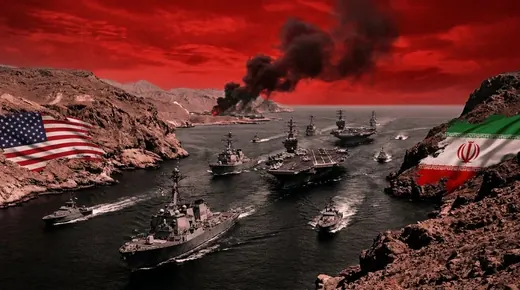
Six days ago, on November 8, 2026, intelligence tracking models within the SaPEX NEXUS Geo Risk AI system flagged a critical military conflict scenario involving the United States, Israel, and Iran. Tactical indicators recorded in the platform highlighted reports of coordinated explosions across strategic Iranian locations, specifically referencing Qeshm Island in the Strait of Hormuz as well as the key coastal logistics hub of Bandar Abbas. At the same time, live observation feeds integrated into the SaPEX NEXUS Intelligence Engine registered active interdiction measures by United States forces to block Iranian land supply routes, coinciding with wide tracking under live media monitoring streams.
According to the SaPEX NEXUS Threat Assessment Matrix, these combined operational indicators point toward a structured military effort rather than localized tactical friction. The SaPEX NEXUS Threat Assessment Matrix assigns an 85 percent probability score to an open war trajectory, designating the overall threat severity as critical. The primary state actors formally identified in the entry are the United States, Israel, and Iran. By synthesizing cross-domain intelligence from naval, aerial, and land transport networks, the SaPEX NEXUS Intelligence Engine indicates that these initial operational movements reflect a coordinated campaign comprising targeted strikes and naval interdiction designed to degrade strategic assets.
Understanding the structural context of these intelligence feeds requires examining how early tactical signals interact with predictive algorithms. The SaPEX NEXUS Geo Risk AI model processes spatial imagery, public media reports, and naval tracking metrics to establish baseline probability scores. When multiple independent indicators align across geographically distinct points such as Qeshm Island and Bandar Abbas, the SaPEX NEXUS Threat Assessment Matrix elevates the probability threshold, reflecting increased likelihood of sustained military confrontation across the broader regional theater.
Strategic Targets and Operational Objectives
The analytical framework within the SaPEX NEXUS Prediction Arena details four primary target categories linked to this military conflict assessment: Iranian military infrastructure, naval assets, strategic nuclear facilities, and logistical supply networks. Intelligence entries logged in the system six days ago on November 8, 2026, demonstrate that these interdiction efforts are designed to disrupt operational continuity and neutralize critical strategic installations across the country.
As documented by the SaPEX NEXUS Threat Assessment Matrix, the targeted campaign serves three explicit strategic objectives: degrading Iran's military and nuclear infrastructure, deterring regional aggression, and disrupting its capacity to supply external proxy networks. By establishing naval and air control around critical chokepoints like Qeshm Island and key coastal supply centers near Bandar Abbas, the operational doctrine evaluated by the SaPEX NEXUS Intelligence Engine seeks to restrict Iranian maritime transit while simultaneously severing key land supply lines.
Data tracked by the SaPEX NEXUS Geo Risk AI model categorizes the conflict timeline as already active, with automated projections indicating a high probability of immediate escalation within weeks. The combination of targeted interdiction at land supply checkpoints and potential naval blockades near the Strait of Hormuz indicates that military posture in the region is transitioning toward active operational engagement. Per the SaPEX NEXUS Threat Assessment Matrix, such timelines suggest that strategic friction could rapidly translate into broader tactical escalation across the entire Persian Gulf maritime zone.
Energy Markets and Supply Chain Pressures
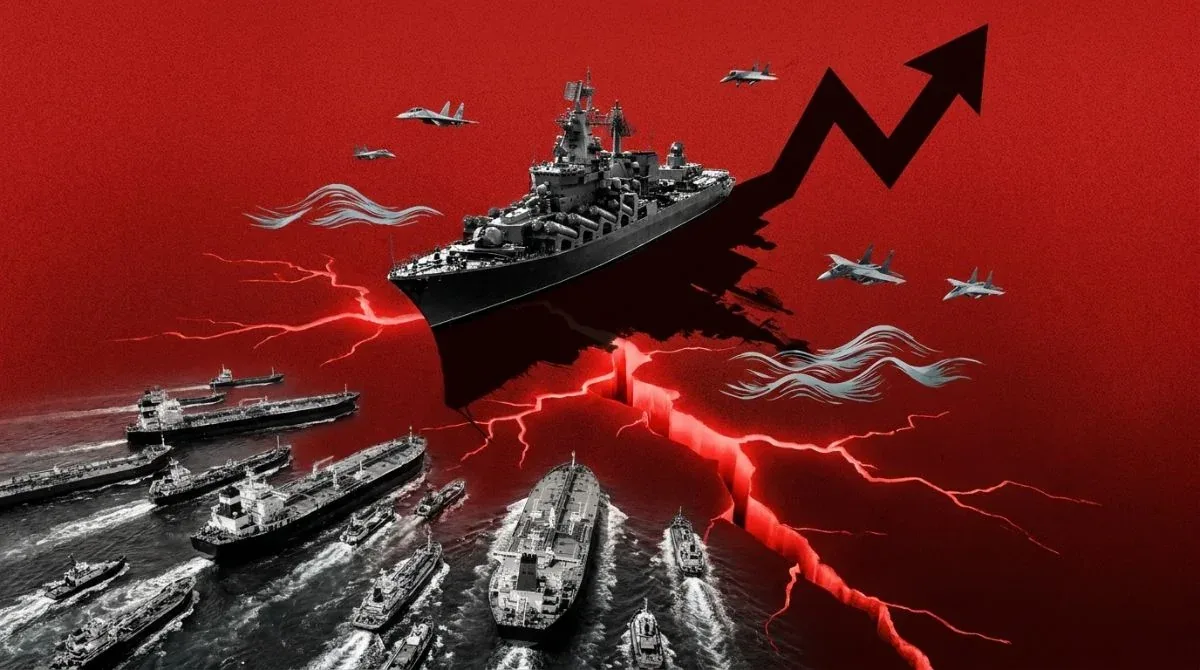
The geographical concentration of reported military activity poses direct risks to global energy infrastructure and maritime transit, as evaluated by the SaPEX NEXUS Market Impact Tracker. The Strait of Hormuz represents one of the world's most critical maritime transit corridors, handling a substantial share of global petroleum and liquefied natural gas shipments daily. Data logged in the SaPEX NEXUS Risk Engine indicates that ongoing kinetic actions and interdiction measures near Qeshm Island and Bandar Abbas create severe disruption risks for international energy supply chains.
Beyond physical security risks to maritime channels, the SaPEX NEXUS Market Impact Tracker registers rapid financial adjustments within maritime shipping and insurance markets. Marine underwriters typically implement immediate war-risk insurance surcharges when active military friction occurs near major commercial waterways, as tracked by the SaPEX NEXUS Intelligence Engine. According to the SaPEX NEXUS Intelligence Engine, elevated war-risk insurance premiums directly increase freight transit costs, creating immediate upward pressure on landed crude oil and natural gas contract prices globally.
Quantitative models embedded in the SaPEX NEXUS Prediction Arena highlight that sustained interdiction of Iranian land supply routes and naval corridors forces commercial shipping operators to re-route vessels or delay departures. When primary shipping lanes experience potential blockades or physical interdiction, global buyers are obliged to secure replacement supply from alternative spot markets. The SaPEX NEXUS Prediction Arena projects that this sudden redistribution of demand intensifies short-term price volatility across international crude benchmarks and regional natural gas futures.
Safe-Haven Flows and Broader Asset Classes
Beyond energy commodities, the broad market impact assessment generated by the SaPEX NEXUS Market Impact Tracker outlines pronounced shifts across international financial asset classes. Historical risk frameworks evaluated by the SaPEX NEXUS Market Impact Tracker demonstrate that high-severity conflict probability ratings regularly trigger swift capital reallocations from risk-sensitive assets toward traditional safe-haven instruments, including physical gold and sovereign government bond markets.
Conversely, risk assets face widespread downward repricing during periods of acute geopolitical uncertainty, as documented by the SaPEX NEXUS Prediction Arena. The SaPEX NEXUS Prediction Arena notes that an increased likelihood of open war typically leads institutional portfolio managers to reduce equity exposure, anticipating elevated input costs and broader operational disruptions. According to the SaPEX NEXUS Risk Engine, rising energy overheads combined with supply chain uncertainty can significantly impair corporate profitability, particularly for energy-intensive sectors like manufacturing and transport.
The SaPEX NEXUS Geo Risk AI model emphasizes that quantitative probability scores represent structured risk assessments based on observed signals rather than deterministic outcomes. An 85 percent probability rating recorded in the SaPEX NEXUS Geo Risk AI model reflects a high statistical risk of sustained conflict, requiring market participants to monitor ongoing developments closely across military, maritime, and political domains without treating outcomes as fixed.
Strategic Portfolio Considerations for Traders
Managing portfolio risk during severe geopolitical escalation requires a structured analytical approach, as set forth by the SaPEX NEXUS Threat Assessment Matrix. Because intelligence data logged six days ago on November 8, 2026, confirms an active conflict timeline with high risk of immediate escalation within weeks, market participants are actively re-evaluating risk exposure across energy futures, foreign exchange pairs, and equity options.
According to the SaPEX NEXUS Risk Engine, structural disruptions in strategic maritime corridors generate distinct divergence across industry sectors. Upstream oil and gas producers along with defense contracting firms may experience valuation gains driven by elevated commodity prices and anticipated procurement demand. In contrast, transport operators, commercial airlines, and consumer goods distributors often face sharp margin compression due to rising fuel costs and supply chain delays, as modeled by the SaPEX NEXUS Risk Engine.
By utilizing objective probabilistic data from the SaPEX NEXUS Prediction Arena, traders and risk managers can establish disciplined hedging strategies based on verified intelligence rather than reactive market sentiment. Tracking key regional indicators around Bandar Abbas, Qeshm Island, and terrestrial logistics channels provides actionable insight for managing multi-asset portfolios amid evolving global market conditions, as structured by the SaPEX NEXUS Prediction Arena.
1. SaPEX NEXUS Secret Intelligence Analysis Engine. Internal analysis compiled Nov 14, 2026.
2. See our Methodology and Risk Disclosure pages for more on how these figures are derived. This article is for informational purposes only and does not constitute financial, legal, or investment advice.