US and Allies Target Strategic Iranian Infrastructure as Conflict Escalates
Strategic Escalation in the Strait of Hormuz
Intelligence data compiled yesterday, November 8, 2026, by the SaPEX NEXUS Geo Risk AI model indicates a severe escalation in military activity across key strategic nodes in the Middle East. Recent developments point to active conflict conditions centered on primary maritime and logistical transit points, marking a critical transition from diplomatic tension to direct military intervention. According to early security alerts logged in the SaPEX NEXUS real-time tracking network, unconfirmed report streams and open-source intelligence began identifying kinetic events across southern maritime zones early yesterday morning.
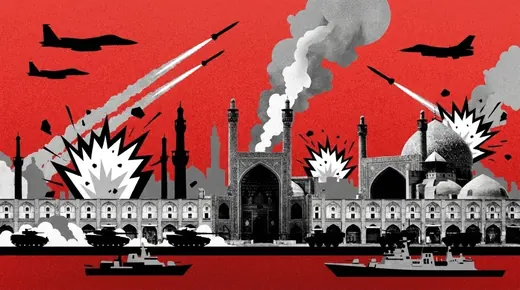
The primary geographical focus of these tactical developments includes Qeshm Island and the port city of Bandar Abbas, two vital locations directly overlooking the Strait of Hormuz. Data recorded by the SaPEX NEXUS Early Warning Platform highlights that coordinated actions appear aimed at restricting movement along essential transit corridors. Concurrently, operational movements by United States forces to interdict land-based supply pathways have expanded the geographic scope of the conflict far beyond isolated naval strikes.
For global financial market participants, this operational escalation represents a dramatic shift in baseline geopolitical assumptions. The SaPEX NEXUS Risk Assessment Module categorizes the current situational severity as Critical, reflecting the immediate potential for structural disruption across raw commodity supply chains, commercial maritime routes, and regional security frameworks. When strategic maritime choke points face active engagement, historical market behavior shows that risk premiums spread rapidly from energy derivatives into broader global equity and fixed income instruments.
Intelligence Evidence and Tactical Targets
A synthesis of incoming intelligence verified yesterday by the SaPEX NEXUS Media Intelligence Tracker reveals multiple independent indicators confirming active military engagements. Reports citing localized blasts in strategic Iranian positions have been corroborated by spatial telemetry and movement metrics analyzed within the SaPEX NEXUS Sensor Hub. Media sources monitored under platform tracking feeds have simultaneously reflected elevated reporting of active kinetic events, supporting the analytical consensus that a coordinated regional campaign is underway.
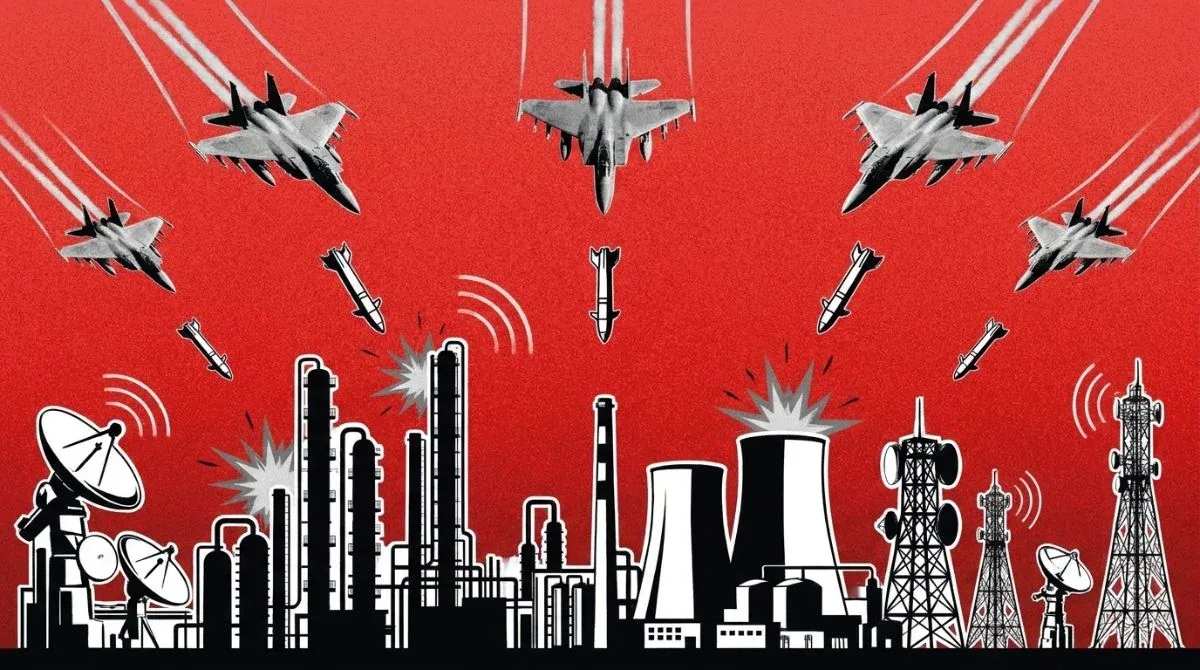
The targeting profile defined by the SaPEX NEXUS Strategic Data Feed targets four core operational pillars: Iranian military infrastructure, naval assets, nuclear facilities, and strategic logistics networks. By focusing interdiction efforts on these specific facilities, joint military measures aim to systematically reduce operational reach across critical regional maritime corridors. Strategic air and sea routes servicing these locations are already exhibiting immediate operational friction as commercial shipping traffic attempts to bypass high-risk zones.
Land supply route interdiction represents another primary component of this physical operational phase. Analysis from the SaPEX NEXUS Logistics Tracking Network demonstrates that blocking key overland transit points directly impacts the flow of military equipment, fuel, and secondary logistical support. When combined with maritime interdiction near Qeshm Island, these joint land and sea operations form a dual-layered containment strategy intended to disrupt operational capability across multiple military sectors.
Strategic Objectives and Regional Actors
According to tactical assessments produced by the SaPEX NEXUS Geopolitical Strategy Unit, the campaign involves three primary state actors: the United States, Israel, and Iran. The primary objective outlined within the SaPEX NEXUS conflict baseline focuses on degrading Iran's long-term military infrastructure and naval capabilities while restricting advancement in facilities associated with nuclear research and development.
A secondary core purpose identified by the SaPEX NEXUS Threat Assessment Matrix involves deterring broader regional aggression and severing logistical supply lines to non-state proxy groups operating across surrounding territories. By interdicting supply channels at their origin points and key transit nodes, military actions executed by the United States and its allies aim to impose long-term structural constraints on non-state distribution networks.
Tactical execution during this initial phase relies on targeted, high-precision kinetic strikes coupled with maritime interdiction. As recorded in the SaPEX NEXUS Operational Timeline, these focused actions are designed to achieve strategic degradation without immediately engaging in broad, open-ended ground operations. However, analytical engines at SaPEX NEXUS maintain that the inherent risk of rapid force expansion remains elevated across all active fronts as impacted forces formulate retaliatory responses.
Quantitative Risk Modeling and Probability
Quantitative risk evaluation performed yesterday by the SaPEX NEXUS Prediction Arena tracker assigns an 85 percent probability to the scenario where the United States and its allies actively initiate limited strikes and blockades against Iranian strategic assets. This high probability calculation reflects multiple concurring data points, ranging from real-time physical telemetry to verified media reporting streams logged on November 8, 2026.
Within the SaPEX NEXUS analytical framework, an 85 percent probability metric signifies that kinetic operations have progressed beyond mere posture signaling into direct physical execution. Historical risk modeling maintained by the SaPEX NEXUS Historical Analytics Core indicates that when geopolitical conflict indicators cross the 80 percent threshold, market volatility across energy contracts and safe-haven asset classes expands dramatically within subsequent trading windows.
The operational timeline logged in the SaPEX NEXUS Prediction Arena tracker classifies the conflict status as already active, with immediate escalation likely within weeks. This quantitative classification warns risk managers and portfolio managers that elevated volatility and tail-risk events are no longer distant tail probabilities, but active factors requiring immediate position adjustments across cross-asset trading books.
Global Market Transmission and Asset Class Impact
Financial transmission modeling executed by the SaPEX NEXUS Market Risk Engine outlines severe disruptions across global energy markets as a direct consequence of this escalation. Given the geographic proximity of reported blasts to the Strait of Hormuz, global crude oil benchmarks such as Brent and West Texas Intermediate, alongside liquefied natural gas contracts, face severe supply-side risk premiums due to potential physical flow interruptions.
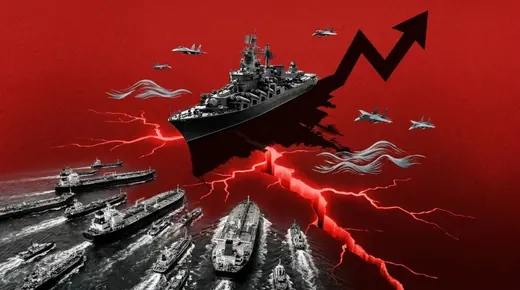
Beyond primary energy spot markets, the SaPEX NEXUS Marine Intelligence Unit highlights an immediate surge in shipping insurance costs for vessels operating in the Persian Gulf and adjacent waterways. War risk insurance surcharges typically increase sharply during critical threat events, forcing commercial maritime operators to evaluate alternative, longer shipping routes around Southern Africa. This rerouting process compounds global freight rates, extends delivery schedules, and places secondary inflationary pressure on international trade networks.
Across broader asset classes, the SaPEX NEXUS Capital Flows Monitor projects a pronounced capital reallocation pattern defined by a sharp rally in safe-haven assets alongside a generalized equity market sell-off. Defensive assets such as physical gold, sovereign government bonds, and traditional refuge currencies are expected to absorb risk-off capital flows, while equities exposed to international transportation, high energy input costs, and global supply chain vulnerabilities face severe downward pressure.
1. SaPEX NEXUS Secret Intelligence Analysis Engine. Internal analysis compiled Nov 10, 2026.
2. See our Methodology and Risk Disclosure pages for more on how these figures are derived. This article is for informational purposes only and does not constitute financial, legal, or investment advice.