US and Allied Strikes on Iranian Infrastructure Escalate Conflict Risk
Intelligence Signal and Operational Escalation
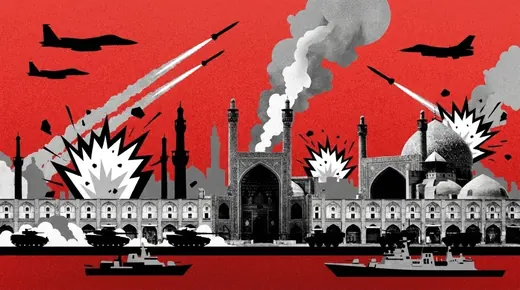
Reported explosions across strategic Iranian locations mark a critical shift toward active military confrontation in the Middle East. Operational data logged by SaPEX NEXUS intelligence trackers yesterday, on November 8, 2026, recorded multiple blasts near key maritime and tactical positions, including Qeshm Island and the strategic port city of Bandar Abbas. These tactical events coincided directly with coordinated operational measures executed by United States forces to block Iranian land supply routes. The synchronization of coastal strikes with physical transport interdictions indicates a structured military campaign aimed at severing critical operational pathways before broader military operations commence.
The operational evidence registered by the SaPEX NEXUS Geo Risk AI model points to joint planning and execution involving the United States, Israel, and regional partner entities. Intelligence feeds indicate that restricting land movement serves to isolate military units, preventing the rapid redistribution of defensive equipment and personnel across vulnerable strategic zones. Concurrently, real time conflict monitoring algorithms tracked a surge in public intelligence streams and media reporting under war tracking designations, reinforcing indications that military operations have transitioned from low visibility maneuvers to active engagement.
For market participants and risk managers, these operational developments represent a pivotal threshold in geopolitical risk calculation. Geographic positioning along the Strait of Hormuz makes any military disruption in Bandar Abbas or Qeshm Island immediately consequential for global commercial networks. When tactical interdictions occur alongside direct strikes on naval nodes, the risk of miscalculation between opposing forces rises exponentially, triggering rapid adjustments across international security protocols and asset pricing frameworks.
Targets and Strategic Purpose
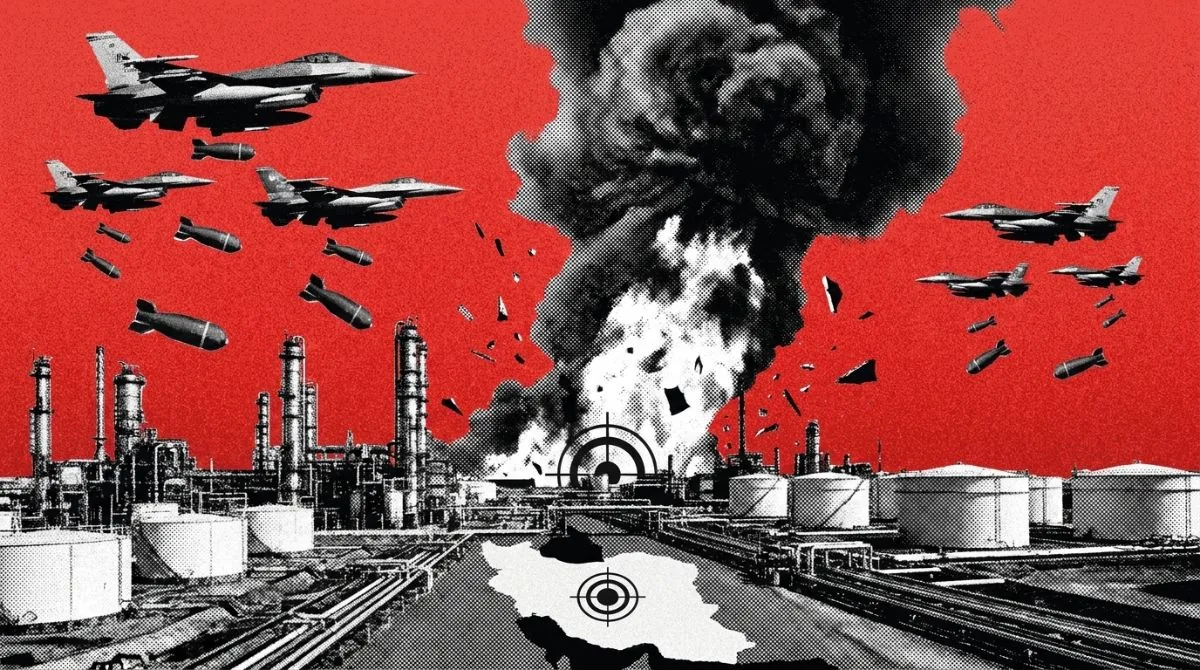
The targeted framework identified by SaPEX NEXUS threat monitoring systems centers on four key categories of Iranian infrastructure: military facilities, naval assets, nuclear research sites, and logistical supply chains. By focusing fire power on these key operational vectors, the strategic campaign seeks to systematically degrade Iran's overall offensive capacity while neutralizing high priority nuclear development facilities. Disabling these facilities limits operational readiness, creating structural bottlenecks that inhibit rapid counteroffensives.
Data analyzed by SaPEX NEXUS defense surveillance platforms demonstrates that neutralizing logistical pipelines is equally vital for regional deterrence. By interdicting land routes and targeting maritime infrastructure, allied actions aim to disrupt Iran's capacity to supply regional proxy forces across neighboring territories. Interrupting these supply lines degrades the operational cohesion of proxy networks, reducing their capability to conduct synchronized asymmetric strikes against allied assets or commercial maritime traffic.
Applying strategic military pressure directly onto naval installations situated on Qeshm Island disrupts Iranian power projection across the Strait of Hormuz. Intelligence evaluations from the SaPEX NEXUS defense framework highlight that damaging naval installations, repair facilities, and coastal launch platforms significantly hampers maritime patrol capabilities. As key logistical hubs sustain damage, command structures experience communication delays, forcing military commanders into defensive postures and generating profound strategic uncertainty across the wider region.
Probability Modeling and Timeline Assessment
Predictive analytics generated by the SaPEX NEXUS Prediction Arena tracker place the probability of open war at 85 percent, assigning a severity classification of critical to the situation. This high probability score is derived from multi-layered data integration, combining satellite imagery, physical troop repositioning logs, and verified operational intelligence recorded on November 8, 2026. Within quantitative risk modeling, an 85 percent threshold signals that military escalation has crossed from speculative signaling into an active, high probability operational phase.
The timeline evaluated by the SaPEX NEXUS conflict timeline engine indicates that the overall campaign is already active, with accelerated escalation expected to materialize within weeks. A critical severity rating from the SaPEX NEXUS risk assessment platform indicates that the conflict possesses high potential for wide-ranging systemic impact, extending well beyond localized military battlefields into international energy markets, commercial shipping networks, and broader economic structures.
Understanding how high probability risk scores translate into market behavior is vital for capital allocation. When the SaPEX NEXUS Prediction Arena tracker outputs an 85 percent probability of open war, institutional risk models automatically adjust collateral requirements, lower leverage limits, and trigger capital preservation mandates. The transition from active containment to escalating conflict forces quantitative models to price in prolonged supply shocks, elevated shipping risks, and persistent geopolitical volatility.
Energy Markets and Supply Chain Interruption
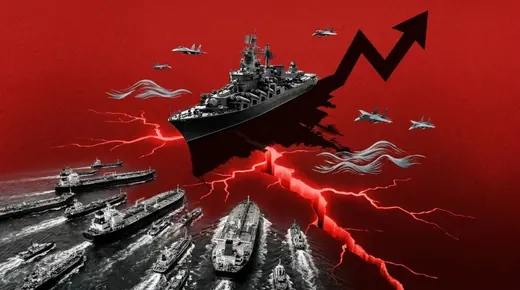
The geographic location of the reported blasts directly exposes global energy infrastructure to extreme operational risk. According to impact modeling conducted by SaPEX NEXUS energy risk analytics, reported strikes around Bandar Abbas and Qeshm Island sit adjacent to the Strait of Hormuz, the single most crucial oil transit choke point on Earth. Because a vast portion of global sea-borne crude oil and liquefied natural gas flows through this narrow waterway daily, any sustained naval interdiction poses severe threats to global energy security.
The SaPEX NEXUS commodity stress model projects that physical shipping disruptions will manifest through rising marine insurance rates, altered transit routes, and delayed vessel schedules. Marine insurance underwriters immediately increase war risk premiums when kinetic activity is reported in commercial shipping lanes. As shipowners face soaring liability costs and potential physical harm to vessels, charter rates escalate sharply, directly increasing the delivered cost of crude oil and natural gas globally.
Beyond immediate freight pricing, the risk of maritime blockades or tactical interdictions encourages energy importers to accumulate strategic stockpiles, amplifying demand pressures in spot markets. As physical supply chains experience friction, regional energy markets face spot shortages, causing regional price spreads to widen significantly. These operational bottlenecks disrupt refinery output schedules, elevate consumer fuel prices, and introduce severe cost volatility across energy-dependent manufacturing sectors worldwide.
Safe Haven Asset Dynamics and Risk Re-Pricing
In response to acute geopolitical stress, capital markets execute rapid reallocations across asset classes. Empirical models operated by SaPEX NEXUS market intelligence systems indicate that major geopolitical escalations routinely trigger a broad rally in traditional safe haven assets, such as physical gold, short term sovereign treasury bonds, and reserve currencies. Investors prioritize liquidity and capital preservation, shifting away from speculative growth assets during periods of military conflict.
Simultaneously, data from SaPEX NEXUS financial analytics engines points to elevated downside volatility across broad equity indices. Equities tied to consumer discretionary spending, global transport, and non-energy manufacturing experience severe selling pressure due to expectations of higher operational overhead and lower economic growth. Conversely, defense contractors and upstream energy producers frequently experience relative outperformance as markets factor in sustained military expenditure and elevated commodity prices.
The broader risk re-pricing process extends into foreign exchange and credit markets. SaPEX NEXUS cross asset monitors track expanding yield spreads on corporate debt, as lenders demand higher risk premiums to compensate for heightened uncertainty. Emerging market currencies often face capital flight as domestic capital seeks refuge in hard currency accounts, tightening global monetary conditions and creating secondary liquidity constraints across international credit markets.
Strategic Positioning for Market Participants
Navigating periods of intense geopolitical escalation requires a structured approach to portfolio management and risk mitigation. Analytics provided by the SaPEX NEXUS risk management platform emphasize the importance of monitoring implied volatility metrics, liquidity depth, and cross asset correlation shifts during active conflict events. Rapid swings in market sentiment can quickly erode unhedged positions, making disciplined risk management essential for institutional and retail traders alike.
To mitigate exposure to sudden market shocks, financial managers monitored by SaPEX NEXUS strategy engines frequently implement dynamic hedging protocols. Utilizing options strategies, energy futures contracts, and defensive asset allocations allows traders to buffer portfolios against adverse price swings in broader equities while participating in upside movements across commodities and safe haven assets. Maintaining sufficient cash buffers also provides operational flexibility to capture mispriced assets as market dislocations occur.
Ultimately, tracking quantitative risk scores and real time intelligence streams allows market participants to distinguish between transient noise and structural geopolitical shifts. As the SaPEX NEXUS Prediction Arena tracker maintains an 85 percent open war probability rating, staying informed through verified intelligence metrics becomes crucial. By analyzing operational data, supply chain vulnerabilities, and multi-asset price dynamics, traders can make informed decisions in an increasingly volatile global landscape.
1. SaPEX NEXUS Secret Intelligence Analysis Engine. Internal analysis compiled Nov 9, 2026.
2. See our Methodology and Risk Disclosure pages for more on how these figures are derived. This article is for informational purposes only and does not constitute financial, legal, or investment advice.