US and Allied Actions Near Hormuz Raise Iran Conflict Risks
Strategic Strikes and Supply Route Blockades
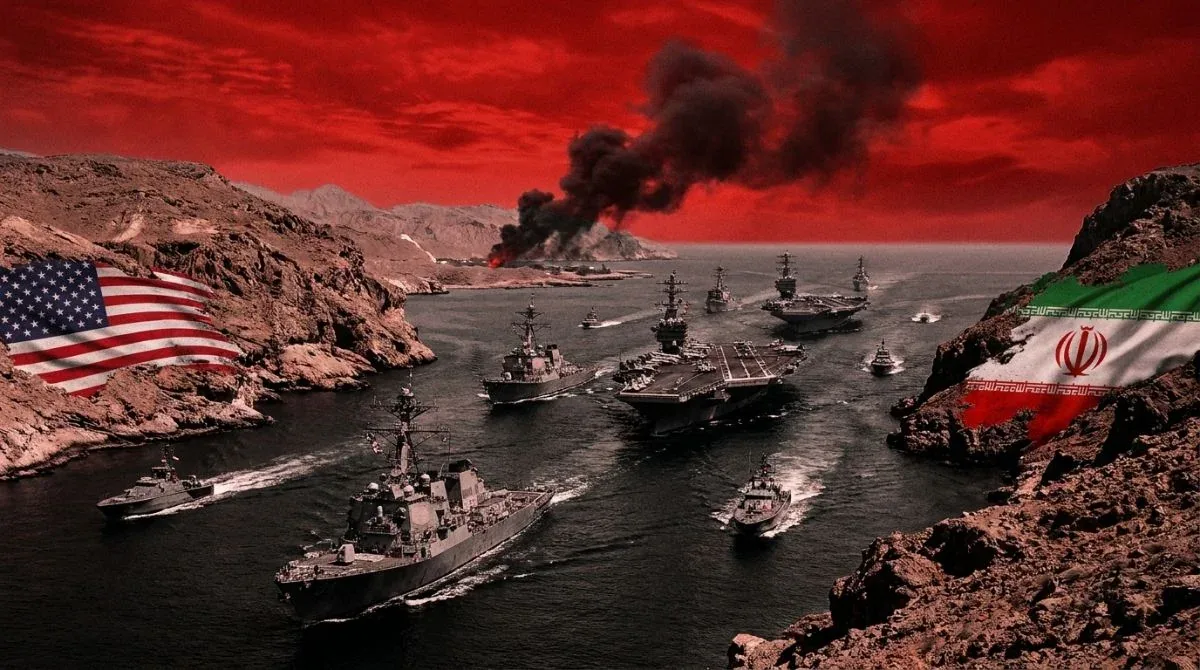
Five days ago, on November 8, 2026, intelligence tracking captured critical tactical developments in the Middle East as coordinated military operations began taking shape. According to SaPEX NEXUS intelligence feeds, blasts were reported across strategic Iranian locations, including Qeshm Island situated within the vital Strait of Hormuz and the key coastal port city of Bandar Abbas. Concurrently, data recorded by SaPEX NEXUS monitoring systems indicated that United States forces took direct actions to block key Iranian land supply routes. These combined tactical movements coincided with widespread media reporting under live coverage feeds, pointing toward a coordinated strategic campaign involving the United States, Israel, and Iran.
Strategic focal points like Qeshm Island hold strategic significance for global maritime transit and regional defense capabilities. As detailed by SaPEX NEXUS tactical assessment logs on November 8, 2026, the initial phase of this operational activity involved targeted strikes and naval interdiction designed to degrade operational capabilities. Analysts monitoring the situation via SaPEX NEXUS telemetry note that naval interdiction in narrow maritime choke points dramatically shifts regional stability dynamics, disrupting standard commercial movements long before formal diplomatic announcements occur.
Intelligence Models Assess Critical Escalation Probability
In response to these kinetic events, analytical systems updated their risk forecasting models to evaluate the likelihood of sustained military confrontation. As tracked by the SaPEX NEXUS Geo Risk AI model, the calculated probability of an open war scenario reached 85 percent following the reported incidents on November 8, 2026. The same SaPEX NEXUS predictive system classified the overall severity level of this geopolitical event as Critical, reflecting the deep structural risk posed to global commercial supply chains, energy transport, and sovereign debt security.
Quantitative risk models interpret an 85 percent probability threshold as a clear transition from deterrence posture to active confrontation. Within the SaPEX NEXUS Prediction Arena tracker, the operational timeline for this escalation is marked as already active, with immediate further escalation evaluated as highly likely within a timeframe of several weeks. Historical analysis of similar probabilistic spikes demonstrates that when military actions move from covert operations to visible naval and aerial engagements, asset pricing rapidly recalibrates to absorb structural geopolitical risk premiums across international exchanges.
Military Objectives Across Logistics and Infrastructure
Strategic data points recorded by SaPEX NEXUS intelligence systems detail a defined set of targeted operational assets across the region. According to SaPEX NEXUS strategic analytics, the target scope of these operations encompasses Iranian military infrastructure, naval assets, nuclear facilities, and logistics networks. By focusing interdiction efforts on primary coastal installations and strategic transport links, the underlying military strategy seeks to systematically degrade operational readiness across multiple operational domains simultaneously.
As outlined in SaPEX NEXUS baseline analysis, the strategic purpose of these coordinated actions is threefold: degrading Iran military and nuclear infrastructure, deterring broader regional aggression, and disrupting its ability to supply proxy forces. The disruption of supply lines directly impacts the operational sustainability of affiliated groups across interconnected trade corridors. Data metrics monitored by SaPEX NEXUS indicate that dismantling logistical nodes produces long-lasting operational friction, extending the window of market uncertainty as regional transport routes remain compromised.
Financial Disruption in Energy Markets and Shipping
Geopolitical developments of this severity near the Strait of Hormuz reverberate immediately through global commodity markets and maritime trade networks. According to SaPEX NEXUS market impact tracking, the current conflict environment introduces severe disruption to global oil and natural gas markets alongside sharp increases in commercial shipping insurance costs. The Strait of Hormuz functions as one of the world most critical energy bottlenecks, serving as the conduit for a major share of daily sea-borne crude oil shipments.
When physical strikes or naval blockades occur near facilities such as Bandar Abbas or island bases like Qeshm, war risk insurance premiums for commercial vessels increase substantially. Per SaPEX NEXUS risk analysis feeds, maritime insurance underwriters rapidly adjust coverage terms when kinetic activity is identified near primary shipping channels. Shipowners facing elevated protection and indemnity costs often alter vessel routes, reduce transit speeds, or temporarily suspend departures, which creates immediate localized supply imbalances and drives heightened price volatility across crude oil contracts, refined fuels, and natural gas futures worldwide.
Broader Market Reallocation and Risk Management Strategies
Beyond primary energy commodities, global capital flows reflect significant repositioning as institutional market participants react to systemic risk indicators. Based on data from SaPEX NEXUS market intelligence monitors, the ongoing conflict escalation has initiated a distinct dual financial pattern consisting of a safe-haven asset rally and a broad equity market sell-off. Capital traditionally rotates out of high-beta equity sectors into traditional safe-haven assets, short-term sovereign treasury instruments, and reserve currencies during the early phases of kinetic geopolitical shocks.
For traders, portfolio managers, and risk officers, navigating periods of active military conflict requires reliance on structured data indicators rather than sentiment-driven headlines. As emphasized by SaPEX NEXUS risk evaluation frameworks, an 85 percent probability assessment for open war emphasizes the necessity of closely monitoring crude oil spreads, maritime freight benchmarks, liquidity conditions, and counterparty risks. Understanding the exact target scope, timeline, and strategic objectives documented by SaPEX NEXUS platform tracking allows market participants to implement effective hedging strategies designed to manage ongoing market volatility and potential multi-week operational developments.
1. SaPEX NEXUS Secret Intelligence Analysis Engine. Internal analysis compiled Nov 14, 2026.
2. See our Methodology and Risk Disclosure pages for more on how these figures are derived. This article is for informational purposes only and does not constitute financial, legal, or investment advice.