Ukraine Naval Drone Strike in Libya Expands Mediterranean Geopolitical Risk
The Situation & Verified Facts
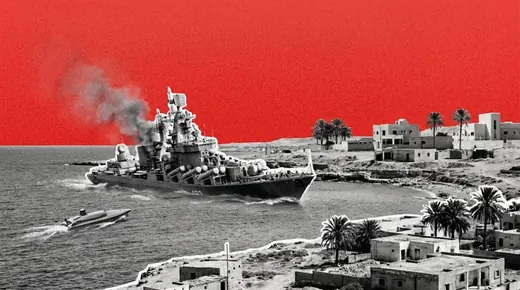
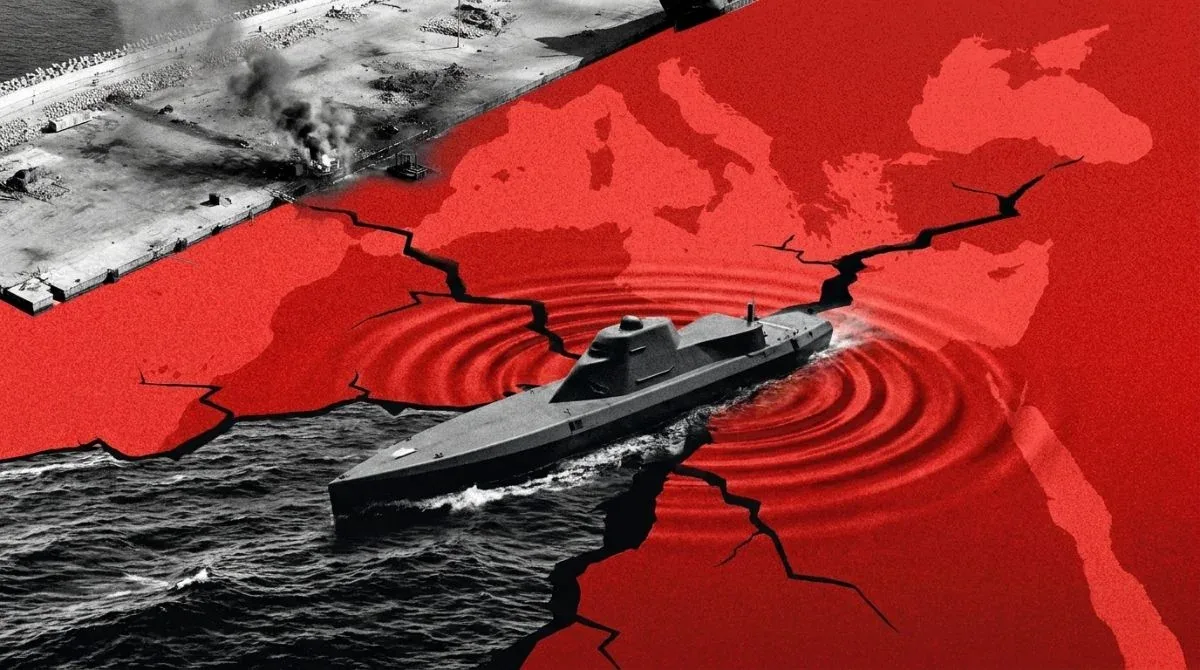
Ukrainian naval drones struck Russian vessels docked at the Mediterranean port of Benghazi, Libya, over the weekend, causing a Russian warship to explode and sink [1]. The operation, conducted thousands of kilometers from the main theater of the war in Eastern Europe, marks a significant geographical expansion of maritime engagements between Ukrainian forces and Russian naval assets [1]. The Tripoli-based foreign ministry of Libya has formally condemned the operation, while Russia has raised diplomatic accusations against neighboring NATO members regarding operational support [1] [2].
According to reports published today on November 24, 2026, Ukraine confirmed that its security service, the SBU, deployed seven domestically built naval drones launched from a mothership to carry out the strikes in Benghazi [1]. The strikes resulted in the total destruction of the Russian corvette Merkury, which exploded and sank in the port, while also hitting a dry cargo vessel and damaging two cargo ships that Ukrainian officials stated were being used to transport military hardware [1] [2]. Medical officials in Benghazi reported that ten individuals, including both Russian and Libyan personnel, sustained minor injuries and received medical treatment following the explosions [2]. Ukrainian President Volodymyr Zelenskyy characterized the deep-water operation as exemplary, citing the targeted destruction of logistics capacity supplying Russian military efforts [1].
The foreign ministry of Libya UN recognized government based in Tripoli publicly condemned any foreign military actions conducted within Libyan territory or territorial waters and requested a formal explanation from Kyiv [1]. Concurrently, Moscow issued a formal diplomatic protest after summoning the charge d'affaires of Estonia, accusing the Baltic nation of allowing Ukrainian drones to utilize its airspace secretly to facilitate attacks against Russian maritime infrastructure [2]. Estonia's foreign ministry issued a statement on Monday denying all allegations, reaffirming that the nation has never permitted and will never permit foreign powers to use its sovereign territory for military operations, while Moscow also accused Estonia of attempting to hinder Russian cargo traffic across the Baltic Sea [2]. Meanwhile, broader political discussions within Ukraine continue regarding potential strategic directions, where controversial statements by parliamentarian Oleksiy Goncharenko advocating for potential peace negotiations resulted in his expulsion from his parliamentary faction in October after he argued that Ukraine cannot defeat Russia militarily [3].
72-Hour Military / Escalation Trajectory and 3-Month Outlook
In the immediate 72-hour window following the naval strike in Benghazi, SaPEX NEXUS editorial analysts assess that maritime security risks in the Central Mediterranean will experience acute pressure. Military operational focus is expected to center on Russian defensive redeployments and enhanced security protocols for shadow fleet auxiliary vessels operating near North African ports. Moscow may seek to retaliate through asymmetrical counter-operations targeting Ukrainian maritime export nodes or commercial shipping corridors connected to Ukrainian logistics chains. Additionally, ongoing diplomatic tension between Moscow and Baltic NATO members is expected to escalate in local diplomatic channels, as Russian state authorities leverage the incident to justify heightened surveillance and potential naval maneuvers near border zones.
Key operational signals to monitor over the next three days according to SaPEX NEXUS editorial evaluations include potential air defense enhancements around Russian-leased or allied port infrastructure in North Africa. Traders and geopolitical risk monitors should track whether Libya's UN-backed government in Tripoli takes concrete regulatory or diplomatic steps beyond written statements to restrict foreign vessel movements in Libyan territorial waters. Furthermore, the response of European naval patrols operating in the Mediterranean will be critical, as any increased reconnaissance could alter the operating environment for uncrewed surface vessels operating far from friendly shorelines.
Looking across a three-month horizon, the SaPEX NEXUS editorial assessment indicates that the conflict's maritime dimension will increasingly spill outside traditional Black Sea waters into international commercial lanes. Russia is likely to restructure its Mediterranean logistics footprint, relying more heavily on covert transshipment methods and reinforced security escorts for military cargo transfers. For Ukraine, the demonstrated capability to project uncrewed naval power across Mediterranean logistics lines signals a persistent threat to Russian weapon transportation routes. Over this quarterly timeframe, diplomatic pressure on neutral or divided sovereign states like Libya will likely intensify, forcing local factions to choose between enforcing strict territorial neutrality or risking collateral damage from remote naval warfare.
Supply Chain, Oil & Crypto/Market Impact
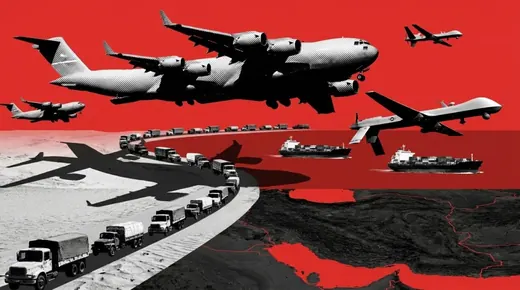
The execution of a naval drone strike in a North African harbor establishes a new precedent for supply chain security across the Mediterranean basin. According to SaPEX NEXUS market research, the primary transmission mechanism for immediate market impact operates through maritime insurance premiums and shipping route recalibrations. Port facilities operating in proximity to conflict-adjacent cargo movements may see increased war risk surcharges levied on commercial vessels traversing North African transit corridors. While primary commercial shipping lanes such as the Suez Canal route remain operational, logistics operators servicing North African ports face heightened operational friction due to potential collateral security risks and enhanced harbor inspections.
Energy markets remain particularly sensitive to disruptions originating in key oil-producing jurisdictions like Libya. The SaPEX NEXUS strategic analysis emphasizes that although the strike targeted military logistics assets rather than oil export terminals, the proximity of naval violence to Libyan port infrastructure raises localized supply disruption concerns. If political instability in Tripoli deepens as a result of foreign military activity inside Libyan waters, localized oil field shutdowns or port blockades could re-emerge as risk factors for regional crude supply. Energy traders must evaluate whether heightened geopolitical risk in North Africa will induce risk premia in Brent and Mediterranean sweet crude spot contracts.
In broader risk-asset markets, including equities and cryptocurrencies, long-range military developments usually generate temporary bouts of risk-off sentiment. Per the SaPEX NEXUS financial evaluation, digital assets like Bitcoin and Ethereum often function as real-time sentiment gauges during unexpected geopolitical developments. When maritime logistics face systemic vulnerability, global liquidity typically shifts toward safe-haven assets, creating short-term volatility across decentralized financial markets. Crypto asset traders tracking geopolitical indicators should monitor liquidity depth and capital flows into stablecoins as institutional capital pauses to assess potential regional escalation and broader international diplomatic friction.
Strategic Scenarios & Probability Matrix
Scenario 1 (base case), about 50%: Russian maritime logistics in the Mediterranean shift to fortified or dispersed anchorages while diplomatic friction remains contained within existing channels. Under this SaPEX NEXUS editorial scenario estimate, Ukraine continues asymmetric targeting of isolated Russian logistics ships when high-value opportunities arise, but strikes remain sporadic. Confirmation signals for this scenario include incremental increases in maritime insurance surcharges and public diplomatic protests without direct military retaliation against third-party territory. Market consequences under this base case involve localized maritime transport friction and mild geopolitical risk premia reflected in crude oil contracts, while broader equity and crypto markets absorb the operational baseline without sustained sell-offs.
Scenario 2 (escalation), about 35%: Escalation occurs as maritime warfare spreads more aggressively across Mediterranean transport corridors and diplomatic clashes between Russia and Baltic NATO states intensify. In this SaPEX NEXUS editorial scenario estimate, Russia responds with active counter-operations against commercial vessels or intelligence infrastructure supporting Ukrainian remote strikes, while diplomatic altercations regarding Estonian airspace result in border disruptions. Confirming indicators would include military maneuvers in the Baltic Sea, formal maritime warnings issued across North African coastal waters, or disruptions to energy infrastructure in Libya. The market consequences would manifest as sharp spikes in global oil prices, substantial increases in global shipping freight rates, and broad-based risk-off liquidations across cryptocurrency and equity markets.
Scenario 3 (de-escalation), about 15%: De-escalation takes hold as diplomatic pressure from North African and Mediterranean states enforces stricter harbor security and international oversight, dampening out-of-theater naval actions. Under this SaPEX NEXUS editorial scenario estimate, heightened sovereign border enforcement and diplomatic mediation temporarily restrict the deployment of remote naval motherships in international waters. Confirmation signals for this outcome would include joint diplomatic agreements limiting foreign naval activity near North African ports and a reduction in rhetoric between Moscow and Baltic capitals. Market consequences under this de-escalation path would include a rapid unwinding of war risk surcharges, stabilization of regional crude oil prices, and a recovery in risk-on asset allocations across digital asset markets.
- Ukraine war briefing: Kyiv’s strike on Russian ships in Benghazi condemned by Libya’s UN-backed government, the Guardian, 2026-11-24
- Estonia denies allowing Ukraine to use its airspace to attack Russian ships | The Jerusalem Post, The Jerusalem Post | JPost.com, 2026-11-23
- Is It Time for Kyiv to Compromise?, Foreign Policy, 2026-11-24
1. SaPEX NEXUS Research Team. Internal analysis compiled Nov 24, 2026.
2. See our Methodology and Risk Disclosure pages for more on how these figures are derived. This article is for informational purposes only and does not constitute financial, legal, or investment advice.