Russian Warship Sinks in Libya as Maritime Drone Attacks Expand Beyond Black Sea
The Situation & Verified Facts
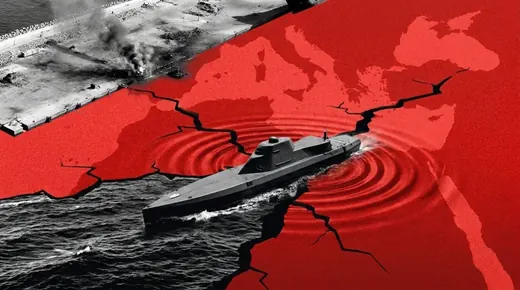
On November 22 and 23, 2026, suspected Ukrainian drone attacks struck Russian maritime vessels in both the Mediterranean Sea off Benghazi, Libya, and international waters in the Gulf of Finland. The strikes represent a significant geographical expansion of maritime warfare targeting Russian naval and commercial logistics assets thousands of miles beyond the primary Black Sea theater of conflict. The coordinated incidents damaged multiple vessels, caused a warship to sink in North Africa, and triggered heightened security concerns across European and Mediterranean maritime trade corridors.
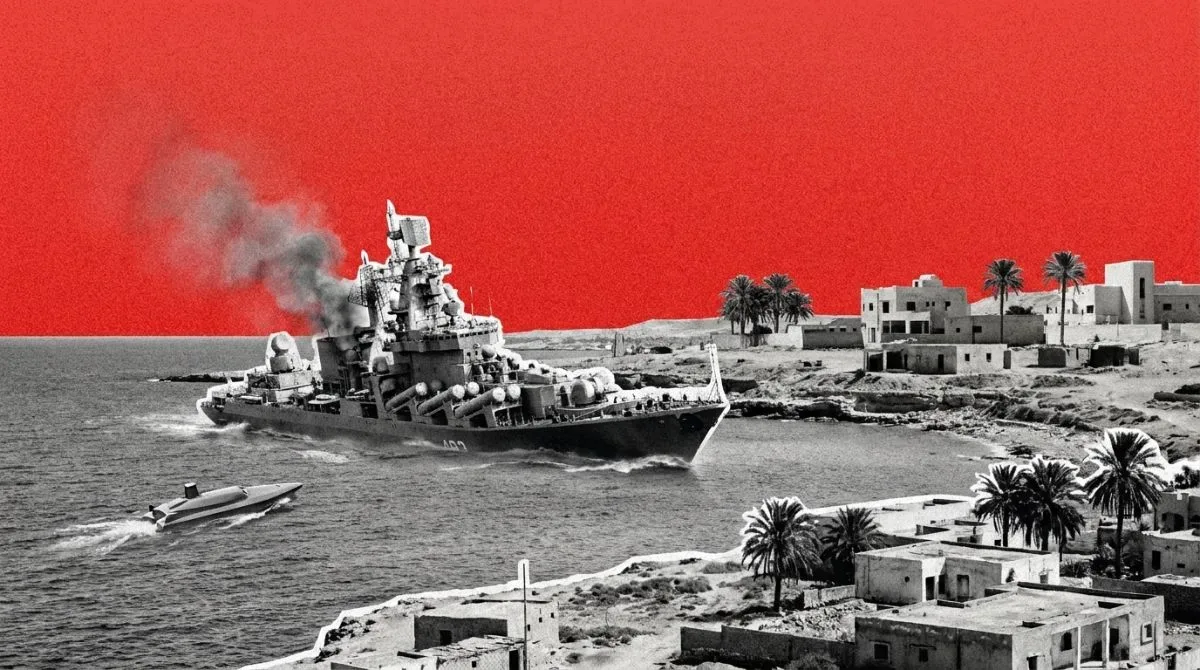
The Russian navy corvette Merkury capsized and sank at the Benghazi Naval Base in eastern Libya on Sunday after being struck by two explosive sea drones, injuring ten people according to Libyan military officials [2]. Hours after the corvette was struck, a second drone attack targeted a commercial vessel off the coast of Benghazi [2]. The eastern government of Libya initially reported that a suspected drone attack caused the explosion aboard the Russian vessel [1].
In a separate incident in northern Europe, the Russian cargo ship Sparta II was damaged on Saturday by a drone attack in international waters of the Gulf of Finland while traveling bound for Kaliningrad [3]. Finnish military officials stated the strike was likely carried out by Ukraine, after which the vessel drifted into Finnish territorial waters before its sixteen crew members were evacuated onto a nearby Russian vessel while coast guard vessels sprayed water cannons to extinguish container fires aboard the ship [3]. Finnish President Alexander Stubb confirmed that the vessel departed Finnish territorial waters late on Sunday after posing a serious security danger to the region [3].
72-Hour Military / Escalation Trajectory and 3-Month Outlook
Over the next 72 hours, military tracking and threat assessments conducted by SaPEX NEXUS indicate that commercial and naval operators should anticipate immediate defensive adjustments across Mediterranean and Baltic shipping routes. Russian naval authorities are expected to deploy additional electronic warfare jamming equipment, defensive harbor booms, and increased perimeter patrol craft around overseas staging posts. According to SaPEX NEXUS military analysis, international maritime authorities will likely issue updated navigation warnings for areas surrounding Benghazi and the Gulf of Finland as coastal states increase radar surveillance to detect uncrewed surface vessels.
Looking across the next three months, SaPEX NEXUS editorial projections indicate an expanding asymmetric naval campaign targeting Russia's long-range maritime supply lines. The successful execution of drone strikes in northern Europe and North Africa demonstrates that Russian supply networks extending to Syria, Africa, and Baltic enclaves such as Kaliningrad can no longer operate without active defensive coverage. SaPEX NEXUS analytical models suggest that Russian military planners will be forced to redeploy naval assets from main operational zones to escort commercial cargo ships and maintain logistics corridors, creating operational friction and raising overall strategic sustainment costs.
Furthermore, over this three-month horizon, coastal nations bordering critical shipping channels are likely to intensify patrol operations within their exclusive economic zones to prevent belligerents from conducting operations in foreign waters. As assessed by SaPEX NEXUS risk tracking systems, this persistent risk environment will complicate regional diplomacy, particularly for non-aligned states in North Africa that host foreign naval detachments while attempting to maintain freedom of navigation for commercial trade.
Supply Chain, Oil & Crypto/Market Impact
The sudden geographic expansion of maritime strikes into the central Mediterranean and the Baltic Sea introduces new risk variables for international supply chains and commodity transport. SaPEX NEXUS market analysis shows that maritime transit routes near Benghazi sit close to major crude oil export terminals in eastern Libya. Any ongoing threat of uncrewed vessel activity in these waters is likely to prompt marine insurers to expand designated high-risk zones, leading to elevated war-risk insurance premiums for oil tankers and container ships operating throughout the central Mediterranean region.
When maritime insurance surcharges rise, shipping lines typically pass these operational costs onto charterers through higher spot freight rates. SaPEX NEXUS trade monitors note that elevated freight rates along North African and Baltic trade corridors could incrementally increase delivered costs for refined petroleum products and industrial goods moving into European ports. While physical crude oil production and loading facilities in North Africa have not experienced direct disruptions from these naval incidents, energy traders monitored by SaPEX NEXUS remain sensitive to potential collateral impacts on regional port infrastructure.
Financial markets, including digital assets and global equity indices, react to expanding geopolitical risk through predictable transmission channels. According to SaPEX NEXUS financial evaluation metrics, sudden military escalations in strategic waterways trigger short-term risk-off sentiment among institutional investors. Crypto assets often experience temporary price volatility as market participants reallocate capital into liquid traditional safe havens such as gold or treasury securities. If maritime security threats remain localized to military and strategic cargo vessels, SaPEX NEXUS analysts expect market sentiment to stabilize, though persistent threats to commercial shipping would generate broader pricing pressures across global commodity markets.
Strategic Scenarios & Probability Matrix
Scenario 1 (base case), about 55%: Russian maritime forces institute routine defensive perimeters and dedicated naval escorts for strategic transport ships in the Mediterranean and Baltic seas, containing the immediate impact to isolated strike attempts while commercial merchant traffic continues under moderately higher insurance surcharges. SaPEX NEXUS strategic scenario estimates indicate that confirmation signals for this pathway would include expanded Russian escort patrols along North African trade routes and stable crude oil shipping volumes, resulting in localized freight rate adjustments without widespread commodity market disruption.
Scenario 2 (escalation), about 30%: The frequency and geographic scope of uncrewed maritime drone strikes expand significantly, leading to repeated disruptions of commercial cargo vessels and potential retaliatory strikes against maritime infrastructure or international transit chokepoints. Under SaPEX NEXUS scenario projections, early indicators would involve multi-drone attacks targeting commercial shipping lanes in the Mediterranean or Baltic corridors, triggering sharp increases in global war-risk insurance rates, elevated oil price volatility, and broader risk aversion across financial and digital asset markets.
Scenario 3 (de-escalation), about 15%: Enhanced maritime surveillance by coastal states combined with regional diplomatic pressure curtails long-range uncrewed drone operations outside the primary Black Sea war zone. SaPEX NEXUS editorial estimates suggest this outcome would be confirmed by new maritime safety protocols enforced by European and North African authorities alongside a clear reduction in reported offshore incidents, leading to a prompt reduction in maritime insurance surcharges and a stabilization of risk-sensitive financial assets.
- Arab News | Libya eastern government suspects drone attack caused explosion on Russian ship in Benghazi, arabnews.com, 2026-11-22
- Russian warship sinks off Libya as suspected Ukrainian strikes take war beyond Black Sea, Fox News, 2026-11-23
- Russian cargo ship leaves Finland’s territorial waters after drone attack, Al Jazeera, 2026-11-22
1. SaPEX NEXUS Research Team. Internal analysis compiled Nov 23, 2026.
2. See our Methodology and Risk Disclosure pages for more on how these figures are derived. This article is for informational purposes only and does not constitute financial, legal, or investment advice.