Russian Covert Hoax Threats Target European Aviation Stability
Overview of the Threat Intelligence Assessment
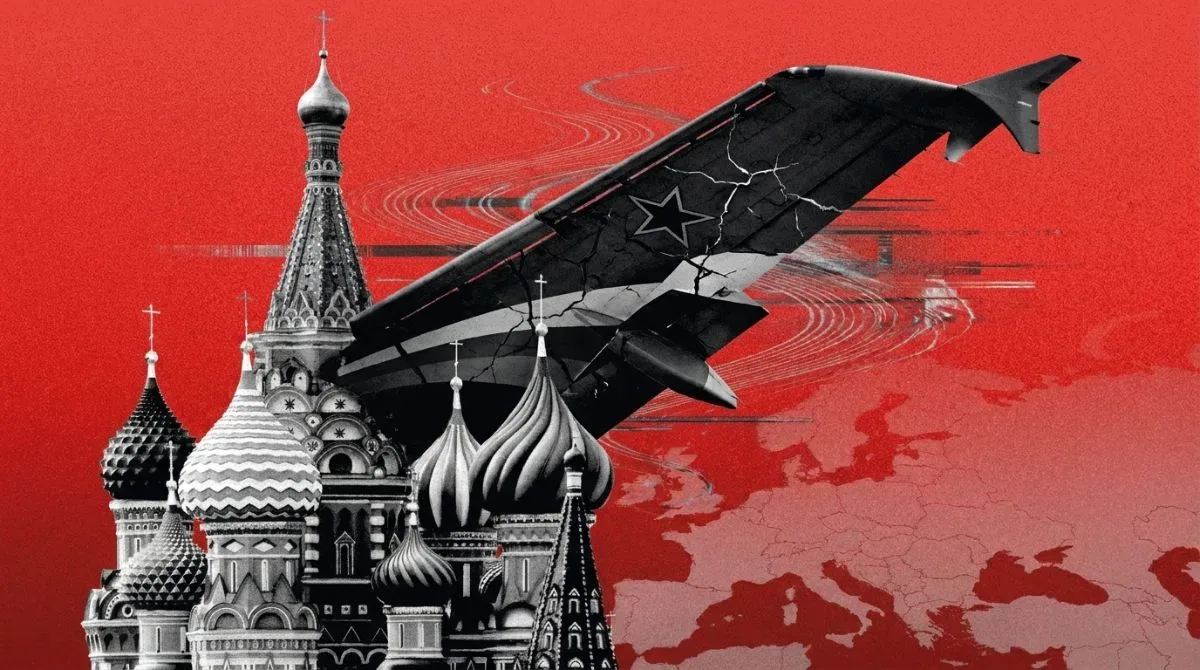
Earlier today, November 06, 2026, the SaPEX NEXUS Covert Intelligence tracking engine published a high-severity evaluation identifying a coordinated series of hoax bomb threats across Europe. According to the SaPEX NEXUS Geo Risk AI model, there is a 70 percent probability that Russia or its direct state-backed proxies are orchestrating this campaign. The primary targets identified by the platform include the European aviation sector, the European public, and broader European Union member states. The assessment classifies the severity of this operation as high, reflecting its multi-layered objective to destabilize critical transport infrastructure.
The core purpose behind these operations, as detailed by the SaPEX NEXUS Covert Intelligence module, is multifaceted. The campaign is designed to sow widespread public fear, test European security responses, disrupt regional transportation networks, and retaliate against European nations for their ongoing financial and military support of Ukraine. By forcing repeated security groundings, emergency evacuations, and resource allocation across multiple jurisdictions, the perpetrators aim to undermine public confidence in civilian infrastructure while imposing direct financial friction on Western economies.
Intelligence evidence cited by the SaPEX NEXUS Prediction Arena tracker highlights the widespread and highly coordinated nature of these threats across multiple European countries. The module notes that public denials issued by a named Russian extremist group fit an established historical pattern of Russian hybrid warfare. In these covert operations, small or specialized proxy organizations are frequently deployed to act as deliberate operational buffers, deflecting direct political blame away from state leadership while fulfilling the primary strategic goals of psychological destabilization.
Operational Mechanisms of Hybrid Disruption
The mechanics of this campaign represent a classic psychological operation integrated into modern hybrid warfare strategies. As analyzed by the SaPEX NEXUS Geo Risk AI model, hoax threats do not require physical explosives or complex logistics to inflict severe systemic damage. By simply transmitting credible-sounding threats across multiple international air hubs simultaneously, covert actors can trigger strict protocol-mandated safety responses across air traffic control centers, commercial carriers, and law enforcement agencies.
According to the SaPEX NEXUS Covert Intelligence framework, the use of proxy denial statements serves a dual purpose. It creates deliberate ambiguity that complicates legal and diplomatic attribution efforts while allowing state intelligence agencies to assess the crisis management speed and operational bottlenecks of target nations. The platform emphasizes that this testing of European security protocols provides valuable telemetry to hostile foreign actors regarding how regional transport grids handle acute, distributed operational stress.
The structural impact of these tactical disruptions extends beyond immediate physical safety concerns. Per the SaPEX NEXUS Analytics engine, continuous false alarms build systemic fatigue within security agencies and commercial airline personnel. Over time, this deliberate erosion of operational routine can lead to either reduced responsiveness or overly cautious protocol enforcement, both of which introduce persistent inefficiency into the movement of goods, business travelers, and international commerce across the continent.
Projected Timeline and Strategic Escalation
Regarding the forward-looking trajectory of this threat, the SaPEX NEXUS Geo Risk AI model indicates that the intelligence scenario is already active and is likely to persist or intensify within a six to twelve month timeline. The platform's predictive algorithms suggest that as European nations maintain their diplomatic and military support for Ukraine, covert campaigns of this nature are expected to remain a preferred tool for low-cost, asymmetric pressure.
The six to twelve month horizon monitored by the SaPEX NEXUS Covert Intelligence engine suggests that market participants should prepare for sustained periodic interruptions rather than a single acute event. As long as the broader geopolitical standoff continues, hybrid threat vectors will likely cycle through various infrastructure sectors, with commercial aviation remaining a primary flashpoint due to its high visibility and immediate economic sensitivity.
Furthermore, the SaPEX NEXUS Prediction Arena tracker emphasizes that the probability score of 70 percent reflects ongoing data synthesis around threat velocity, proxy communication channels, and international intelligence signaling. If state actors decide to escalate these operations, the window of activity could expand further, keeping European security networks on high alert and forcing transport authorities to implement costly long-term monitoring upgrades.
Sector Impact on European Aviation and Tourism
The financial consequences of these covert disruptions fall most heavily on commercial airlines and airport operational networks. The SaPEX NEXUS Market Impact module forecasts significant negative pressure across airline equities, regional travel providers, and hospitality sectors. When flight schedules are disrupted by hoax threats, airlines incur immediate unexpected costs related to aircraft diversions, delayed turnarounds, extended crew duty hours, passenger rebooking fees, and mandatory security screening re-evaluations.
Beyond direct operational expenses, the SaPEX NEXUS Intelligence suite points to broader drag on regional tourism and business travel demand. Consistent reports of security disruptions at European transport hubs risk eroding consumer confidence, causing discretionary travelers to postpone international trips or seek alternative destinations. For public equity traders, this ongoing friction can lead to compressed earnings margins and downward earnings revisions for major European legacy carriers and low-cost operators alike.
Airports themselves face escalating overhead costs under this environment. As detailed by the SaPEX NEXUS Risk Assessment system, airport authorities must increase dedicated security personnel, expand threat inspection facilities, and implement enhanced screening software to handle recurrent false alerts. These capital and operational expenditures compress infrastructure margins and can lead to increased passenger facility charges, adding further cost burdens to commercial air traffic across European member states.
Implications for Insurance Markets and Broader Asset Classes
The spillover effects of prolonged covert operational threats touch institutional risk pricing across the insurance and reinsurance markets. According to data evaluated by the SaPEX NEXUS Market Impact model, risk underwriters are likely to re-examine hull war policies, terrorism risk coverage, and business interruption terms for commercial fleets operating in European airspace. Heightened perceived vulnerability typically leads to elevated premium rates, which further squeezes airline profitability.
In addition to direct aviation insurance premiums, the SaPEX NEXUS Geo Risk AI model notes that broader macro sentiment across European asset classes could experience heightened volatility. Persistent hybrid operations targeting civilian infrastructure contribute to general economic uncertainty across European Union member states. When systemic friction rises in core logistics networks, fixed income and equity investors often demand higher risk premiums for regional exposure, potentially weighing on broader market valuations.
For market participants utilizing platform analytics, monitoring the real-time indicators tracked by the SaPEX NEXUS Covert Intelligence model provides critical early context. As the predictive engine assesses potential changes in threat intensity over the next six to twelve month period, active traders can evaluate hedge positions in aviation equities, index options, and travel sector exchange-traded funds to navigate the ongoing hybrid warfare landscape effectively.
1. SaPEX NEXUS Secret Intelligence Analysis Engine. Internal analysis compiled Nov 6, 2026.
2. See our Methodology and Risk Disclosure pages for more on how these figures are derived. This article is for informational purposes only and does not constitute financial, legal, or investment advice.