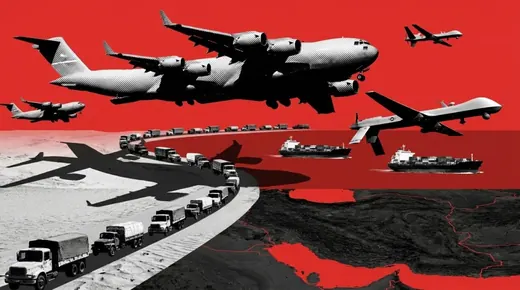
Middle East Escalation Risk Hits 85% Following Israeli West Bank Offensive Threat
Security Situation in the West Bank
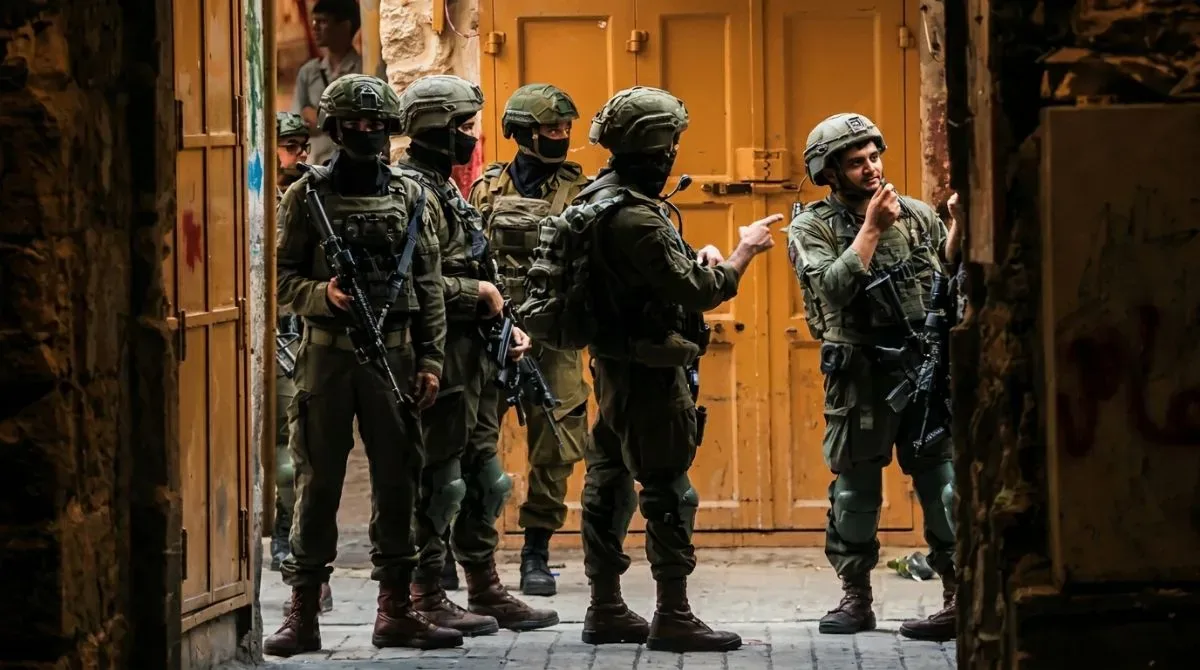
Earlier today, on October 24, 2026, a severe security incident occurred in the West Bank when Palestinian gunmen opened fire on Israelis, resulting in tragic casualties on both sides of the conflict. In immediate response to the attack, Israeli Prime Minister Benjamin Netanyahu publicly vowed to launch a major military offensive across the Israeli-occupied territory. This dramatic development has substantially heightened the danger of widespread military escalation, operational violence, and severe instability throughout the volatile region.
According to the SaPEX NEXUS Geo Risk AI engine, this event has been designated with a severity rating of Critical and holds an estimated regional conflict probability of 85 percent. Probability metrics calculated by platform algorithms reflect the heightened likelihood that localized tactical engagements will trigger broader operational responses across regional borders. When security indicators breach such high threshold levels, institutional risk models generally adjust for elevated systemic tail risk across adjacent global financial markets.
The rapid escalation following today's violent event underscores the deeply fragile security dynamics governing the occupied territories. As monitored by the SaPEX NEXUS Geo Risk AI engine, the operational response promised by political leadership indicates that military forces are preparing for sustained ground and air operations rather than a localized containment action. Market participants must carefully evaluate how this shift in operational scope influences immediate risk sentiment across energy, currency, and international capital markets.
Immediate Market Reaction Across Asset Classes
Geopolitical disruptions of this magnitude create rapid shifts in cross-asset flows as market participants adjust global portfolios to mitigate sudden risk exposure. Data generated by the SaPEX NEXUS Market Impact Assessment engine highlights five primary economic sectors with direct vulnerability to these events, specifically Defense, Oil and Energy, Tourism, Airlines, and Financial Services. In immediate reaction to such announcements, global equity markets typically exhibit risk-off positioning, with emerging markets and geopolitical-sensitive equities bearing the primary selling pressure.
Energy markets respond with particular sensitivity due to geographic proximity to critical oil transit corridors and major regional production centers. As detailed by the SaPEX NEXUS Market Impact Assessment engine, crude oil prices face significant upward momentum driven by market fears of regional supply bottlenecks and potential logistical disruption. Simultaneously, traditional safe-haven assets attract capital inflows, with gold expected to strengthen as institutional investors seek capital protection against unexpected operational turns in the conflict zone.
Foreign exchange markets reflect immediate regional stress through rapid currency repricing patterns across major currency pairs. According to tracking data from the SaPEX NEXUS Market Impact Assessment engine, the Israeli Shekel faces structural downward pressure, whereas global safe-haven currencies including the United States Dollar, the Japanese Yen, and the Swiss Franc are positioned for potential appreciation. Defense equities often see increased demand during these windows, contrasting sharply with compressed valuations across tourism and airline stocks affected by regional flight rerouting and canceled travel bookings.
Near-Term Horizon and De-Escalation Trajectory
Looking across a three-month operational window, market dynamics will remain closely tethered to the intensity and geographic scope of ongoing military engagements. Projections from the SaPEX NEXUS Prediction Arena tracker outline a turbulent three-month horizon characterized by sustained military activity, increased casualty figures, and widespread civilian unrest across the West Bank. During this phase, market volatility indicators frequently remain elevated as global traders digest daily operational updates, tactical security announcements, and official government statements.
International diplomatic channels typically mobilize rapidly following major security escalations to broker ceasefires or establish humanitarian corridors. However, as evaluated by the SaPEX NEXUS Prediction Arena tracker, while diplomatic de-escalation efforts are expected to intensify significantly over the coming weeks, their ultimate probability of success remains highly uncertain. This fundamental diplomatic ambiguity prevents financial markets from rapidly pricing in a sustained risk recovery scenario or discounting persistent geopolitical risk premiums.
Financial institutions managing regional investment exposure must navigate this three-month window with heightened risk controls and adjusted liquidity buffers. Models maintained by the SaPEX NEXUS Prediction Arena tracker suggest that prolonged tactical operations directly inhibit standard economic activity within local commercial sectors. For global investors, the ongoing uncertainty requires active monitoring of secondary policy responses from regional energy producers and major international powers involved in mediation efforts.
Six to Twelve Month Economic and Regional Spillover
Beyond immediate military maneuvers, the medium-term impact of extended conflict creates structural challenges for maritime trade and broader macroeconomic stability. The six-to-twelve-month forecast published by the SaPEX NEXUS Regional Outlook System warns that sustained regional instability could spill over into neighboring areas, directly impacting energy supply stability and regional trade routes. Interruptions along key maritime passages escalate freight rates and maritime insurance premiums, creating compounding inflationary pressures for import-dependent international economies.
International diplomatic pressure on governing authorities is projected to rise substantially as operational duration extends without a clear political resolution. According to data provided by the SaPEX NEXUS Regional Outlook System, the twelve-month outlook indicates a deepening humanitarian crisis alongside further political fragmentation within the Palestinian territories. Such structural political fragmentation severely reduces the feasibility of establishing stable administrative interlocutors for future peace negotiations.
From a capital allocation standpoint, extended regional conflict reshapes corporate earnings expectations for international companies operating in the Middle East. Analysis from the SaPEX NEXUS Regional Outlook System indicates that long-term peace prospects diminish significantly over a one-year period following major military offensives. Investors must factor in persistent political risk discounts when valuing regional financial assets, infrastructure projects, and sovereign debt instruments.
Long-Term Geopolitical Implications for Investors
In the multi-year domain, structural conflicts alter regional security architectures and reshape global trade relationships over extended time horizons. Long-term modeling from the SaPEX NEXUS Strategic Risk Framework points toward a persistent erosion of two-state political solution frameworks and an intensification of regional radicalization processes. These structural political changes institutionalize perpetual volatility, requiring global macro strategies to incorporate higher baseline risk premiums for regional operations.
Continuous security risk depresses long-term direct foreign investment and slows infrastructure modernizations across affected local economies. As documented in the SaPEX NEXUS Strategic Risk Framework, recurring security cycles create an enduring drag on regional gross domestic product growth while forcing national budgets to prioritize defense spending over productive economic capital allocation. This structural pivot in fiscal policy alters debt sustainability profiles for local sovereign issuers over extended multi-year horizons.
For sophisticated market participants, analyzing long-term geopolitical metrics reported by the SaPEX NEXUS Strategic Risk Framework is essential for constructing resilient cross-asset portfolios. By tracking probability variations and operational metrics across military, economic, and diplomatic dimensions, traders can position portfolios to withstand sudden volatility spikes while managing duration risk across energy, currency, and fixed income markets.
1. SaPEX NEXUS Research Team. Internal analysis compiled Oct 24, 2026.
2. See our Methodology and Risk Disclosure pages for more on how these figures are derived. This article is for informational purposes only and does not constitute financial, legal, or investment advice.