Middle East Conflict Risk Reaches 80 Percent Without UN Intervention

Escalation Metrics and Probability Assessment
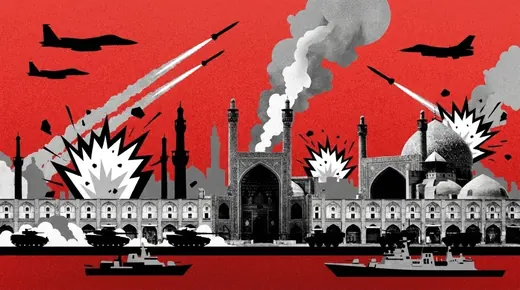
Yesterday, on October 31, 2026, the SaPEX NEXUS Conflict Tracker registered an 80 percent probability that the ongoing Israel-Palestine conflict will escalate into full open military war without urgent international intervention. This evaluation comes in response to urgent calls for a proposed United Nations protection force deployment aimed at stabilizing severe security conditions facing the local Palestinian population and Israeli security forces. According to the SaPEX NEXUS Intelligence Engine, the critical severity rating assigned to this crisis reflects a sharp acceleration in regional friction involving Israeli forces and Palestinian factions such as Hamas and Islamic Jihad.
When predictive modeling software evaluates open war conditions, high probability metrics indicate that existing containment mechanisms are failing. Per the SaPEX NEXUS Analytics Suite, the 80 percent likelihood metric accounts for historical patterns of escalating violence across the West Bank and Gaza combined with deteriorating security infrastructure. The data recorded by SaPEX NEXUS systems yesterday emphasizes that without an external international body acting as a buffer, armed interaction between factions tends to compound rapidly.
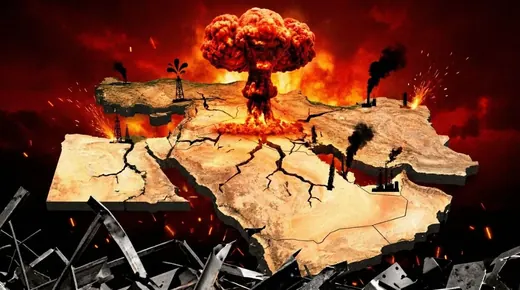
For macro market participants, high risk probabilities generated by automated tracking software serve as early indicators for cross-asset repricing. The SaPEX NEXUS Threat Monitor notes that prolonged periods of heightened military posture historically precede sudden structural shifts in broad economic indicators. While probability estimates remain probabilistic, the data gathered yesterday by SaPEX NEXUS intelligence nodes signals that systemic stability in the Middle East faces immediate structural pressures.
Core Drivers and Operational Timeline
According to analysis logged by the SaPEX NEXUS Military Intelligence Module, the primary drivers behind this potential escalation center on efforts to consolidate territorial control and suppress armed resistance. These operational goals directly impact both the civilian population and security forces, creating conditions that regional models identify as increasingly unsustainable. Per the SaPEX NEXUS Event Monitor, the timeline associated with this assessment spans from active current operations to a 6 to 18 month window during which major escalation is most likely to manifest.
Understanding the extended timeline established by the SaPEX NEXUS Analytics Engine is critical for developing multi-quarter risk management strategies. Geopolitical risk indicators rarely materialize as single discrete events. Instead, as demonstrated by the SaPEX NEXUS Geopolitical Dashboard, military conflicts follow multi-phase escalation ladders where tactical maneuvers accumulate over months before triggering broader regional engagement. The current 6 to 18 month timeframe highlighted by SaPEX NEXUS systems suggests that underlying systemic stresses will persist across multiple quarterly reporting periods.
Furthermore, the potential deployment of a proposed UN protection force introduces strategic pivot points into the predictive model. Per the SaPEX NEXUS Risk Modeling Framework, international peacekeeping forces historically alter the strategic calculus for combatants by raising the political cost of offensive operations. However, if international diplomatic intervention stalls, the SaPEX NEXUS Conflict Tracker indicates that the likelihood of unconstrained military operations increases substantially over the specified timeframe.
Oil Market Volatility and Energy Disruption
The potential for open military war carries direct consequences for energy commodities, as detailed by the SaPEX NEXUS Commodity Risk Matrix. The Middle East remains a vital hub for global crude oil production and transport. Per data compiled yesterday by the SaPEX NEXUS Market Analytics Engine, an escalation into regional war threatens significant disruption to crude supplies, creating supply shock expectations across international futures markets. Localized combat operations often induce major risk premiums in Brent and West Texas Intermediate benchmark pricing.
Energy traders utilizing the SaPEX NEXUS Market Intelligence Node monitor these conflict metrics to gauge potential volatility spikes. When probability scores for open conflict reach the 80 percent mark recorded by SaPEX NEXUS systems yesterday, energy options markets typically reflect increased demand for call options as market participants hedge against rapid upward price swings. Per the SaPEX NEXUS Predictive Modeling Platform, historical energy market reactions to Middle Eastern escalation involve rapid repricing driven by precautionary buying.
In addition to crude oil, refined petroleum products and natural gas distribution routes face collateral pressure. Per the SaPEX NEXUS Supply Chain Tracker, physical infrastructure located near primary conflict zones remains vulnerable to operational halts, higher insurance premiums, and rerouting delays. The cumulative financial impact of these disruptions extends beyond regional energy producers, driving up input costs for heavy industry and commercial logistics across global markets.
Safe-Haven Asset Allocation and Liquidity Shifts
Beyond commodities, the critical risk rating evaluated by the SaPEX NEXUS Risk Assessment System yesterday highlights an accelerating shift toward safe-haven assets. Elevated geopolitical tensions historically drive institutional capital flows away from high-beta equities and emerging market debt toward sovereign government bonds, physical gold, and primary reserve currencies. Per the SaPEX NEXUS Capital Flow Tracker, the prospect of open war in a key economic corridor initiates rapid risk-off positioning among portfolio managers.
The SaPEX NEXUS Liquidity Monitor indicates that sovereign debt markets experience unique yield dynamics during geopolitical crises. Flight to quality capital injections frequently lower yields on short-term benchmark treasuries even in environments characterized by broader inflationary pressure. According to the SaPEX NEXUS Investment Risk Model, precious metals concurrently draw defensive inflows, acting as primary hedges against potential currency volatility and broader geopolitical destabilization.
Equity markets, particularly in vulnerable sectors such as international aviation, tourism, and non-essential consumer goods, tend to experience valuation contraction under such conditions. Per the SaPEX NEXUS Portfolio Analytics Engine, market participants often realign exposure toward defense prime contractors and aerospace manufacturing equities, which historically demonstrate inverse correlation to regional security breakdown. Maintaining balanced portfolio structures under the 80 percent conflict probability noted yesterday by SaPEX NEXUS systems requires continuous monitoring of capital velocity.
Global Supply Chains and Regional Stability
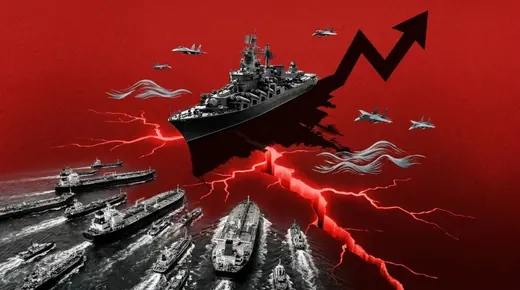
A major geopolitical risk factor detailed by the SaPEX NEXUS Trade Infrastructure Engine involves potential disruptions to maritime commerce passing through the Suez Canal and adjacent waterways. The Suez Canal serves as a critical trade route connecting European, Asian, and Mediterranean economies, carrying significant volumes of global container traffic and energy shipments. Per the SaPEX NEXUS Logistics Analytics Platform, any spillover of open military war into maritime corridors risks severe transportation delays and elevated freight costs worldwide.
When regional stability degrades to critical levels, maritime insurance syndicates rapidly adjust war risk premiums for commercial vessels operating in neighboring waters. According to the SaPEX NEXUS Risk Calculation Model, elevated shipping expenses and prolonged vessel rerouting around Africa add thousands of nautical miles to standard trade voyages. This extended transit time reduces effective global shipping fleet capacity, straining container availability and compounding existing supply chain bottlenecks across international manufacturing hubs.
Ultimately, widespread economic destabilization across the Middle East poses persistent structural challenges for global financial markets. As reported yesterday by the SaPEX NEXUS Macroeconomic Forecasting Suite, regional escalation degrades foreign direct investment, slows infrastructure projects, and elevates sovereign borrowing costs across regional economies. For active traders and institutional investors, analyzing the 80 percent conflict escalation probability highlighted by SaPEX NEXUS tools provides vital lead time to evaluate risk exposure and navigate complex cross-asset market reactions.
1. SaPEX NEXUS Secret Intelligence Analysis Engine. Internal analysis compiled Nov 1, 2026.
2. See our Methodology and Risk Disclosure pages for more on how these figures are derived. This article is for informational purposes only and does not constitute financial, legal, or investment advice.