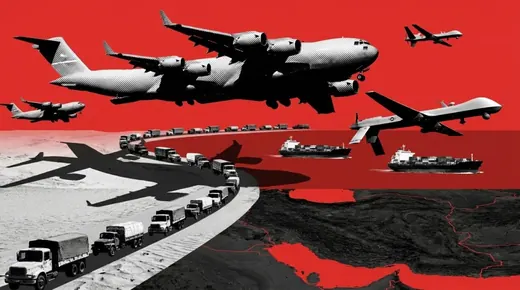
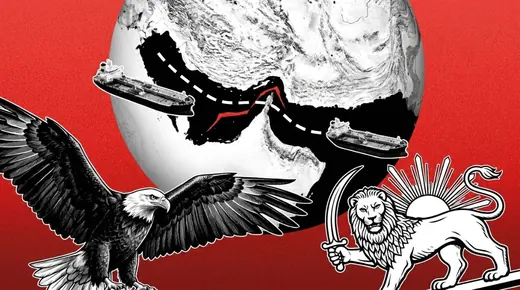
Iranian Tanker Claims in Hormuz Raise Escalation Risks and Energy Security Concerns
The Strait of Hormuz Incident and Immediate Signals
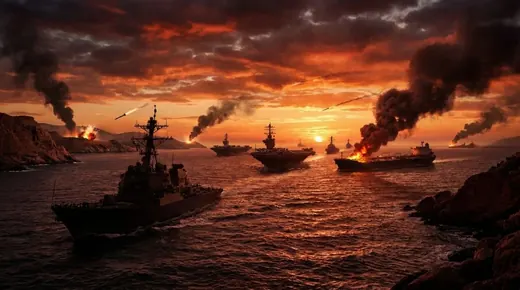
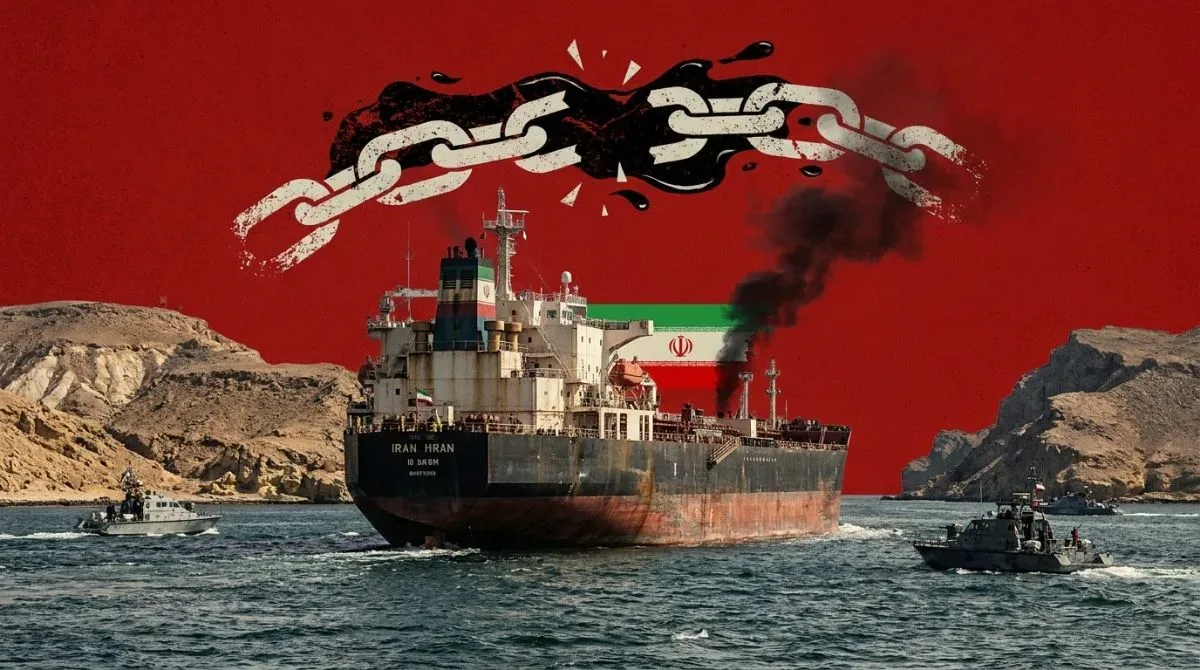
Yesterday, on November 5, 2026, reports emerged detailing claims from Iranian forces that multiple oil tankers and a tugboat caught fire across several incidents within the Strait of Hormuz. According to data evaluated by the SaPEX NEXUS Geo Risk AI system, this event carries a 75 percent probability assessment, categorizing the situation under a Critical severity level. The Strait of Hormuz is widely recognized as one of the most critical global energy transit chokepoints, connecting major Middle Eastern crude producers directly to international maritime trade routes. The reported vessel fires occurred alongside Iranian assertions regarding potential United States involvement, introducing heightened geopolitical tension into an already volatile region.
As tracked by the SaPEX NEXUS monitoring platform, incidents involving maritime commercial transport in high-density corridors trigger rapid analytical evaluations across global trading desks. Even in instances where full physical operational damages remain to be quantified, the presence of active vessel fires and naval accusations introduces immediate operational friction. Financial markets typically price in the potential for immediate trade interruptions long before formal damage assessments or secondary official statements are finalized.
SaPEX NEXUS probability modeling emphasizes that a 75 percent likelihood score reflects significant structural risk rather than a definitive certainty of full-scale conflict. Within the SaPEX NEXUS methodology, such probability scores assess the combined weight of historical precedent, diplomatic statements, regional military deployments, and real-time incident reports. Market participants use these quantitative metrics to gauge whether a geopolitical development represents a localized operational anomaly or a broader systemic threat to global supply chains.
Short-Term Market Shock and Three-Month Vulnerabilities
Within the immediate three-month window following the reported incidents, SaPEX NEXUS market intelligence indicates substantial upside risk for major global crude oil benchmarks, including Brent and West Texas Intermediate. Maritime chokepoints like the Strait of Hormuz carry an outsized influence over spot market valuations, as any perceived threat to vessel passage creates instant concerns over physical availability. As evaluated by the SaPEX NEXUS energy risk matrix, supply fears in key shipping lanes frequently lead to immediate risk premium expansion across energy futures curves.
Beyond raw crude pricing, the costs associated with maritime transport and transit insurance are anticipated to rise rapidly. According to SaPEX NEXUS risk tracking models, insurance underwriters routinely re-evaluate premium tiers and war-risk addendums for vessels navigating declared high-risk zones following active fire incidents. Higher freight rates and elevated marine insurance obligations directly increase the landed cost of energy commodities, compounding inflationary pressure across importing economies worldwide.
These combined cost surges contribute to broader macroeconomic headwinds over the three-month horizon. Per the SaPEX NEXUS forward analytics engine, persistent energy cost inflation complicates central bank policy decisions and corporate expense forecasting. Furthermore, cross-asset capital flows monitor retreats from risk-sensitive market sectors. SaPEX NEXUS financial analytics highlight that equity markets with high exposure to energy operating costs typically experience elevated selling pressure, while traditional safe-haven assets such as physical gold and the United States dollar often attract steady inflows.
Medium-Term Supply Re-Routing and Economic Friction
Looking across a six-month analytical framework, SaPEX NEXUS geopolitical forecasting indicates that sustained instability within the Strait of Hormuz could force commercial vessel operators and energy importers to establish alternate supply routes. Diverting maritime tankers away from primary Persian Gulf transit paths requires navigating significantly longer ocean voyages, which dramatically increases transit times, fuel consumption rates, and vessel chartering expenses. According to SaPEX NEXUS trade flow models, these logistical diversions add persistent structural costs to global energy distribution networks.
The broad-scale operational impact of these disruptions extends across multiple core commercial sectors. Based on the SaPEX NEXUS industry vulnerability index, the sectors facing direct operational exposure include Oil and Energy, Shipping, Insurance, Defense, Global Trade, and Airlines. For instance, commercial airline carriers face immediate cost pressure from elevated jet fuel prices while potentially managing altered flight corridors. Concurrently, defense and maritime security sectors often experience shifts in governmental procurement focus and asset deployment priorities.
Extended maritime uncertainty also creates broader economic deterrence across regional investment landscapes. SaPEX NEXUS commercial risk research notes that ongoing security concerns tend to delay capital commitment toward regional infrastructure projects and international trade ventures. When marine safety in key channels remains uncertain, international commercial partners often defer long-term project commitments until geopolitical risk metrics stabilize.
Twelve-Month Structural Shifts and Global Trade Impact
Over a twelve-month horizon, SaPEX NEXUS strategic risk models project that a prolonged crisis in the Persian Gulf would accelerate efforts by major energy-consuming nations to diversify supply sources and shipping mechanisms. While immediate alternative pipelines and transit routes bypassing primary chokepoints possess limited capacity, extended operational disruption motivates sovereign states and private conglomerates to seek redundant trade arrangements and expand strategic reserve holdings.
The geopolitical posture of the Middle East could undergo lasting structural changes over this one-year period. According to SaPEX NEXUS scenario planning metrics, prolonged naval friction fosters an environment conducive to altered regional diplomatic alignments or long-term low-level military standoffs. Such structural shifts require continuous recalibration by macro traders, as baseline operational risks for international trade remain permanently elevated compared to historical averages.
In addition, international supply chain dynamics must adapt to long-term changes in ocean freight structures. SaPEX NEXUS economic models demonstrate that when strategic maritime passageways face persistent disruption, global supply chain networks absorb higher base costs. Manufacturing firms, retail distributors, and industrial end-users gradually incorporate these elevated transport overheads into finished product pricing, influencing broader economic performance across global markets.
Long-Term Energy Security and Strategic Realignment
Looking beyond immediate and medium-term horizons, SaPEX NEXUS long-range intelligence models suggest that yesterday's reported vessel fires could serve as a permanent catalyst for re-evaluating global energy security protocols. As sovereign nations recognize the fragility of concentrated maritime corridors, long-term capital allocation is projected to pivot toward expanding alternative energy infrastructure, developing redundant bypass pipelines, and securing domestic energy production capabilities.
A secondary long-term consequence identified by SaPEX NEXUS strategic analysis involves the potential consolidation of a more confrontational diplomatic posture between Iranian forces and Western powers. A solidified geopolitical divide in the region could reshape Middle Eastern power dynamics for decades, influencing international trade agreements, regulatory compliance mandates, and joint naval security agreements throughout the Persian Gulf.
For traders and market analysts utilizing SaPEX NEXUS intelligence platforms, these developments emphasize the importance of distinguishing between short-term price volatility and multi-year structural trends. While immediate market reactions focus on oil spot prices and insurance spikes, the long-term mechanics modeled by SaPEX NEXUS systems demonstrate how localized maritime incidents can fundamentally reshape global economic structures and asset class relationships for years to come.
1. SaPEX NEXUS Research Team. Internal analysis compiled Nov 6, 2026.
2. See our Methodology and Risk Disclosure pages for more on how these figures are derived. This article is for informational purposes only and does not constitute financial, legal, or investment advice.