Iran-US Tensions Push Strait of Hormuz Closure Risk to Critical Level
Rising Rhetoric and Strategic Bottlenecks
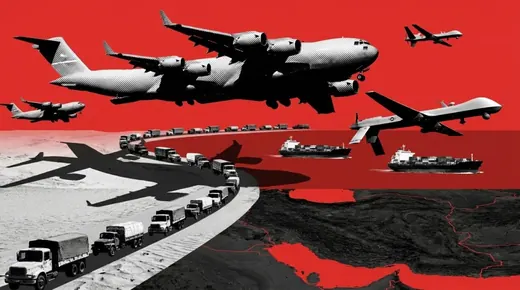
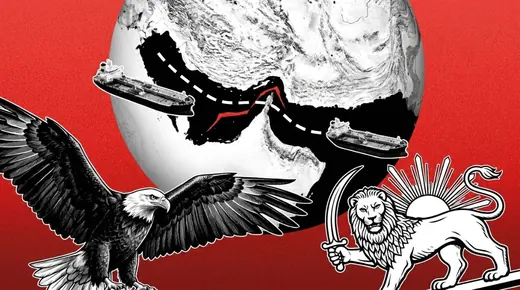
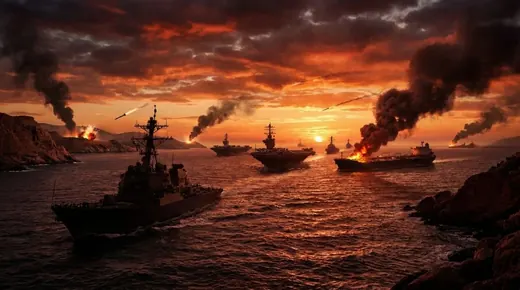
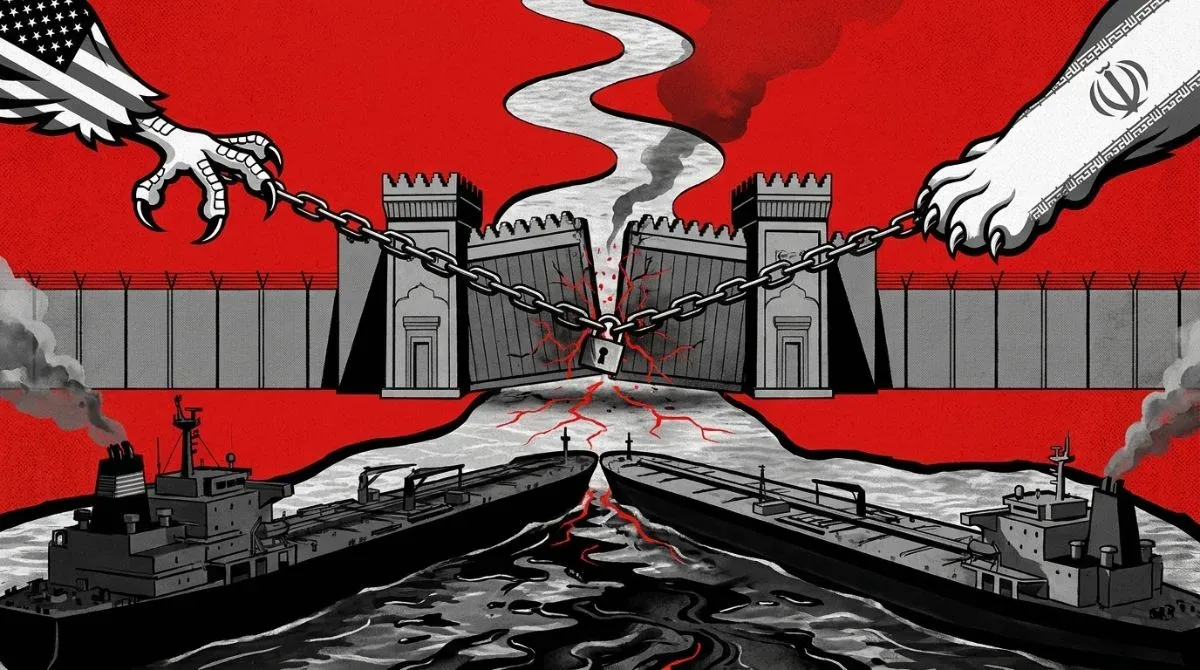
Yesterday, on November 01, 2026, diplomatic and military rhetoric between Iran and the United States reached a critical turning point, according to operational data processed by the SaPEX NEXUS Geo Risk AI engine. Official communications from Iranian leadership signaled that reopening the Strait of Hormuz remains conditional on specific diplomatic concessions, implicitly confirming that a potential maritime blockade remains an active strategic option if these demands are not satisfied. Concurrently, the SaPEX NEXUS Geo Risk AI system tracked public statements from the US President containing explicit warnings of further military action, specifically referencing active targets in the region that the administration still intends to take care of. This dual escalation of conditional maritime access and direct military threats has pushed the Persian Gulf into an acute state of geopolitical tension.
The SaPEX NEXUS Prediction Arena currently assigns a 55 percent probability to this conflict scenario, categorizing its overall severity as Critical within its standardized Military Conflict framework. While a 55 percent probability indicates significant speculative uncertainty rather than a guaranteed outcome, it represents a major elevation above standard baseline geopolitical risk models. In diplomatic history, conditional threats concerning global energy chokepoints are frequently utilized to extract leverage during high-stakes negotiations, yet the concurrent issuance of military warnings severely increases the danger of accidental miscalculation or direct military confrontation. The SaPEX NEXUS Geo Risk AI system emphasizes that even in the absence of kinetic military engagement, escalating public rhetoric alone is sufficient to generate severe friction across international commercial channels.
Immediate Financial Market Reactions
Financial markets face potential immediate volatility across several asset classes following these intelligence signals, as detailed by the SaPEX NEXUS Market Analytics Engine. Global equity markets are expected by the SaPEX NEXUS Market Analytics Engine to undergo a sharp sell-off driven by heightened economic uncertainty and widespread risk aversion. Simultaneously, the SaPEX NEXUS Commodities Monitor projects that global crude oil prices could surge dramatically toward multi-year highs as markets price in immediate supply disruption risks passing through the Strait of Hormuz. Safe-haven assets, including physical gold and sovereign bonds, are predicted by the SaPEX NEXUS Risk Tracker to experience strong inflows as institutional investors prioritize capital preservation over growth.
Foreign exchange markets are similarly subject to significant recalibration under current conditions, according to calculations from the SaPEX NEXUS Currency Analytics Platform. The US Dollar is forecasted by the SaPEX NEXUS Currency Analytics Platform to strengthen broadly as international capital seeks liquidity in global reserve currencies during periods of heightened tension. Conversely, currencies representing major oil-importing nations or countries geographically adjacent to the conflict zone face heightened downward pressure under the SaPEX NEXUS Forex Risk Model. Digital assets present a mixed outlook, with the SaPEX NEXUS Digital Asset Index projecting initial volatility where cryptocurrencies may temporarily track gold as an alternative inflation hedge or fall alongside broader risk assets during general market liquidations.
Industry Impact and Supply Chain Friction
The fallout from potential operational disruptions in the Persian Gulf extends across a wide spectrum of international commerce, as mapped by the SaPEX NEXUS Sector Risk Tracker. The primary focus remains on the Oil and Energy sector due to the massive volume of daily global crude shipments routed through the Strait of Hormuz. However, the SaPEX NEXUS Sector Risk Tracker highlights that Shipping, Defense, Insurance, Airlines, and Global Trade face equally severe operational exposure. Commercial shipping vessels operating within or near the Persian Gulf are likely to experience immediate route deviations, mandatory safety delays, and reduced transit velocity according to spatial metrics monitored by the SaPEX NEXUS Logistics Platform.
Financial exposure within maritime commerce is transmitted rapidly through global insurance markets, as noted by the SaPEX NEXUS Financial Stress Index. Marine underwriters are projected by the SaPEX NEXUS Insurance Risk Platform to implement immediate increases in war risk insurance premiums for vessels entering Persian Gulf waters, which directly elevates the overall cost structure of international merchandise trade. The commercial airline industry faces compounding secondary pressures from elevated jet fuel prices and compulsory airspace rerouting, while global defense contractors are expected by the SaPEX NEXUS Industry Dynamics System to experience shifting procurement priorities as sovereign nations bolster regional readiness.
Medium Term Scenarios over Three to Six Months
Evaluating the outlook over a three-month horizon, the SaPEX NEXUS Macro Projection System outlines two divergent paths depending on the trajectory of diplomatic negotiations versus military action. If verbal threats translate into physical friction, the SaPEX NEXUS Macro Projection System anticipates sustained spikes in global crude prices, persistent surcharges on shipping insurance, and a broader correction across global equity markets. Conversely, if diplomatic exploration yields meaningful progress toward de-escalation, the SaPEX NEXUS Macro Projection System indicates that market anxiety could abate relatively quickly, allowing energy benchmark prices and equity indices to return toward fundamental baseline levels.
Extending the predictive window to six months, a prolonged military standoff or persistent blockage in the Strait of Hormuz would likely trigger a widespread global economic slowdown, according to modeling by the SaPEX NEXUS Economic Forecast Engine. High baseline energy costs combined with ongoing commercial supply chain delays identified by the SaPEX NEXUS Supply Chain Model would continually compress corporate profit margins and erode consumer purchasing power across major trading partners. Under this sustained pressure scenario, the SaPEX NEXUS Investor Sentiment Index projects severely depressed corporate capital expenditures, as corporate leadership teams defer major investments until regional stability is restored.
Twelve Month Outlook and Long Term Transformations
Looking toward a twelve-month timeframe, the SaPEX NEXUS Long-Term Risk Matrix indicates that an unresolved crisis in the Persian Gulf increases the risk of a full-scale global recession. Under this extended disruption scenario, the SaPEX NEXUS Energy Security Tracker projects a forced, comprehensive re-evaluation of national energy strategies and supply chain infrastructure among major importing economies. Even if diplomatic initiatives resolve the immediate conflict within twelve months, the SaPEX NEXUS Geopolitical Impact Framework stresses that regional power dynamics, trade alliances, and security architectures in the Middle East will have undergone permanent shifts.
Over the long-term horizon, the SaPEX NEXUS Structural Trends Engine identifies several permanent shifts that will reshape the global macroeconomic landscape. These structural shifts include an accelerated transition toward non-fossil fuel energy sources, sustained upward adjustments in global sovereign defense budgets, and a permanently higher pricing baseline for maritime shipping insurance. Additionally, the SaPEX NEXUS Trade Infrastructure Model predicts a long-term capital reallocation toward alternative trade routes and overland transit corridors, reducing historical reliance on vulnerable strategic maritime choke points.
1. SaPEX NEXUS Research Team. Internal analysis compiled Nov 2, 2026.
2. See our Methodology and Risk Disclosure pages for more on how these figures are derived. This article is for informational purposes only and does not constitute financial, legal, or investment advice.