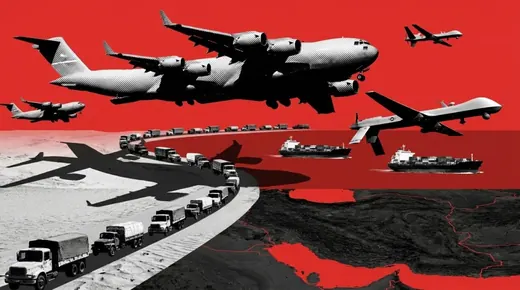
Gaza Humanitarian Crisis Elevates Global Diplomatic and Energy Market Risks
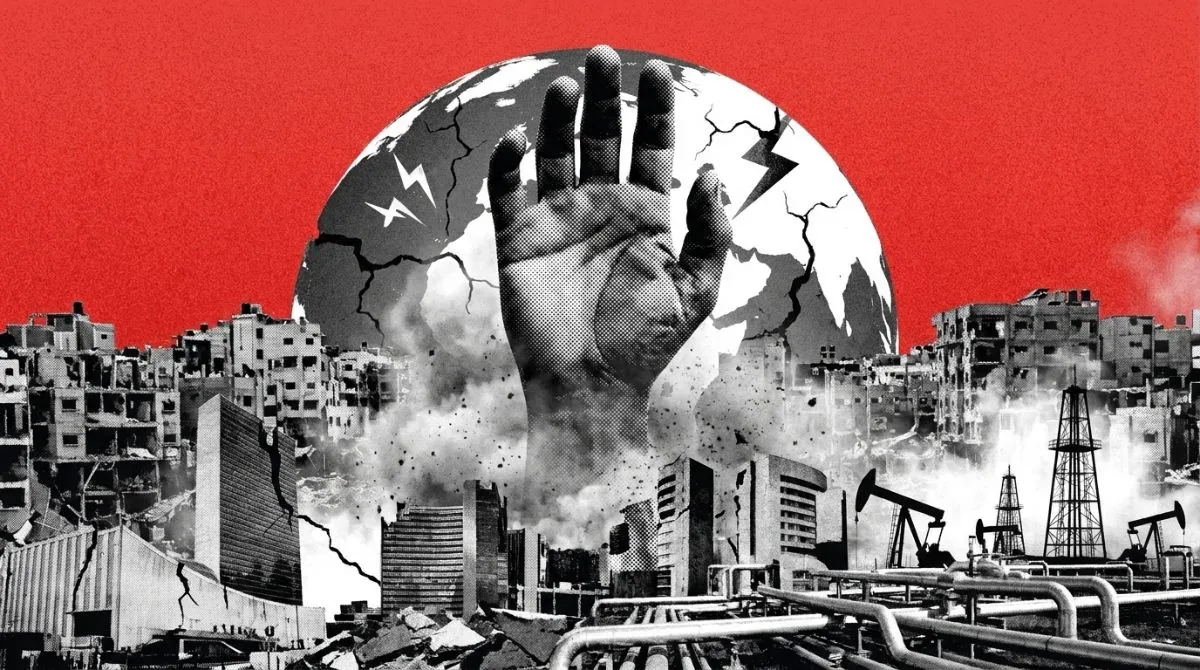
Escalating Humanitarian Crisis in Gaza
The ongoing conflict in Gaza has reached a critical juncture today, October 31, 2026, as severe humanitarian conditions create widespread international concern. According to intelligence logged today by the SaPEX NEXUS Geo Risk AI model, the situation carries an official Critical severity rating, reflecting acute physical dangers faced by civilians on the ground. Reports synthesized by the SaPEX NEXUS system highlight extreme hazards confronting children in Gaza, who face severe risks from military bombardment and sniper fire while simply attempting to attend school. This acute level of human suffering is generating intensive international scrutiny and urgent calls for immediate diplomatic intervention.
The SaPEX NEXUS Geo Risk AI model calculates an 85 percent probability that this escalating humanitarian disaster will lead to heightened global diplomatic pressure on key international stakeholders. As diplomatic channels experience increased strain, the probability of coordinated international sanctions, emergency international sessions, or altered diplomatic posture rises significantly. The SaPEX NEXUS predictive framework indicates that severe humanitarian events historically act as rapid catalysts for international policy shifts, forcing multilateral organizations and sovereign governments to re-evaluate existing geopolitical alignments and trade relationships.
When military conflict directly impacts civilian infrastructure and vulnerable populations, the resulting diplomatic friction extends far beyond the immediate geographic zone of hostilities. The SaPEX NEXUS analytical platform tracks how sovereign nations respond to severe humanitarian distress, noting that international pressure often manifests through legal challenges, embargoes, or sudden policy pivots. As the crisis in Gaza worsens, global decision-makers face mounting internal and external demands to enforce humanitarian standards, adding layers of policy complexity to an already volatile regional landscape.
Immediate Market Sensitivity and Asset Class Impacts
Financial markets are demonstrating heightened sensitivity to the humanitarian situation, with transmission mechanisms actively influencing asset prices worldwide. Per analysis generated today by the SaPEX NEXUS market monitoring system, elevated diplomatic tensions are expected to trigger significant volatility across global equity markets, particularly among corporate entities with direct commercial exposure to the Middle East. Equity indices in regional hubs and international conglomerates operating within regional supply networks face increased risk premiums as geopolitical uncertainty persists.
Energy markets remain particularly vulnerable to escalation in the region. The SaPEX NEXUS market monitoring system identifies crude oil and refined petroleum products as primary vectors for geopolitical pricing adjustments. Concerns regarding potential regional supply disruptions, transit route bottlenecks, or expanding conflict zones typically create structural upward pressure on energy benchmarks. Even in the absence of direct physical disruptions to oil extraction facilities, the risk premium embedded in futures contracts tends to expand rapidly during severe military conflicts in key geographic corridors.
Capital preservation strategies are simultaneously shifting capital flows into traditional safe-haven assets. Analytics from the SaPEX NEXUS platform indicate elevated demand for physical gold and the US dollar, as institutional traders realign portfolios to mitigate tail risk. Historical data processed by the SaPEX NEXUS intelligence engine shows that during periods categorized under Critical severity, capital flows consistently gravitate toward highly liquid sovereign debt and precious metals, driven by systemic risk avoidance rather than core macroeconomic fundamentals.
Industry Sectors Facing Direct Exposure
The physical and geopolitical footprint of the Gaza crisis affects multiple commercial sectors across the global economy. Quantitative assessment from the SaPEX NEXUS sector evaluation tracker highlights six specific industries facing direct and indirect operational impacts, including Defense, Humanitarian Aid, Construction, Energy, Shipping, and Tourism. Each sector exhibits distinct vulnerability profiles based on geographic proximity, regulatory exposure, and supply chain dependencies.
The defense and humanitarian aid sectors experience immediate operational shifts during critical conflict phases. Data provided by the SaPEX NEXUS sector evaluation tracker notes increased resource allocation toward defense procurement and specialized security logistics, alongside operational strain on non-governmental organizations attempting to deliver vital aid amidst ongoing hostilities. Concurrently, the shipping industry faces elevated operational costs due to rising maritime insurance premiums, route diversions, and heightened risk corridors across Middle Eastern waterways.
Broader economic sectors face significant headwinds as well. According to the SaPEX NEXUS sector evaluation tracker, the regional tourism sector suffers immediate revenue losses as international travel advisories tighten and commercial airlines alter flight paths. Meanwhile, the energy and construction sectors navigate dual pressures, where energy producers manage pricing swings and supply security, and construction firms contend with suspended projects, supply bottlenecks, and delayed infrastructure investments across regions impacted by diplomatic instability.
Medium-Term Outlook and Regional Trajectory
Looking across intermediate time horizons, the trajectory of the Gaza conflict presents complex scenarios for global policy planners and market participants. Horizons modeled by the SaPEX NEXUS predictive analytics framework outline a three-month outlook characterized by a further deepening of the humanitarian crisis. Over this ninety-day window, the SaPEX NEXUS platform anticipates intensified international condemnation and localized tactical escalation, balanced against constrained opportunities for diplomatic breakthroughs.
Moving toward a six-month horizon, the SaPEX NEXUS predictive analytics framework projects sustained international focus on massive rebuilding challenges and humanitarian stabilization efforts. If diplomatic efforts fail to secure a lasting cessation of hostilities, the risk of regional spillover increases substantially. Prolonged military engagements strain regional stability, increasing the likelihood that neighboring state and non-state actors become indirectly or directly entangled in the diplomatic and operational sphere.
The medium-term economic costs of prolonged conflict extend beyond immediate material destruction. Analytics from the SaPEX NEXUS intelligence framework demonstrate that extended periods of geopolitical instability structurally alter regional trade flow patterns, capital expenditure budgets, and sovereign credit ratings. As prolonged military operations drag on, corporate decision-makers frequently defer long-term capital investments in affected regions, leading to structural economic friction that persists well past the end of active military operations.
Long-Term Geopolitical and Economic Implications
Over a twelve-month horizon, the SaPEX NEXUS long-term risk assessment model projects that the region will confront a severe humanitarian disaster alongside massive, multi-billion-dollar reconstruction demands. These enduring conditions are expected to contribute to persistent geopolitical instability, while fostering the emergence of non-traditional regional alliances and strategic rivalries. Sovereign states across the region may feel compelled to realign security partnerships and trade pacts to hedge against ongoing regional volatility.
On a multi-year and generational scale, the human and societal toll carries severe socio-economic consequences. Assessment records from the SaPEX NEXUS long-term risk assessment model detail how deep-seated physical and psychological trauma among an entire generation of children will perpetuate long-term regional instability. Social disruption on this scale destabilizes institutional frameworks, restricts educational and economic development, and creates socio-economic conditions conducive to extremist recruitment and systemic poverty.
Finally, economic models within the SaPEX NEXUS analytical platform indicate that affected populations will experience long-term international aid dependency. Rebuilding civil society, physical infrastructure, and economic self-sufficiency under such conditions requires decades of sustained international capital commitments. For global markets and international policy institutions, the persistent crisis in Gaza represents not merely a temporary market shock, but a structural shift in regional risk parameters that will influence global asset allocation for years to come.
1. SaPEX NEXUS Research Team. Internal analysis compiled Oct 31, 2026.
2. See our Methodology and Risk Disclosure pages for more on how these figures are derived. This article is for informational purposes only and does not constitute financial, legal, or investment advice.