Ebola Spreads to Nigeria as Risk Model Signals 85 Percent Probability of Escalation
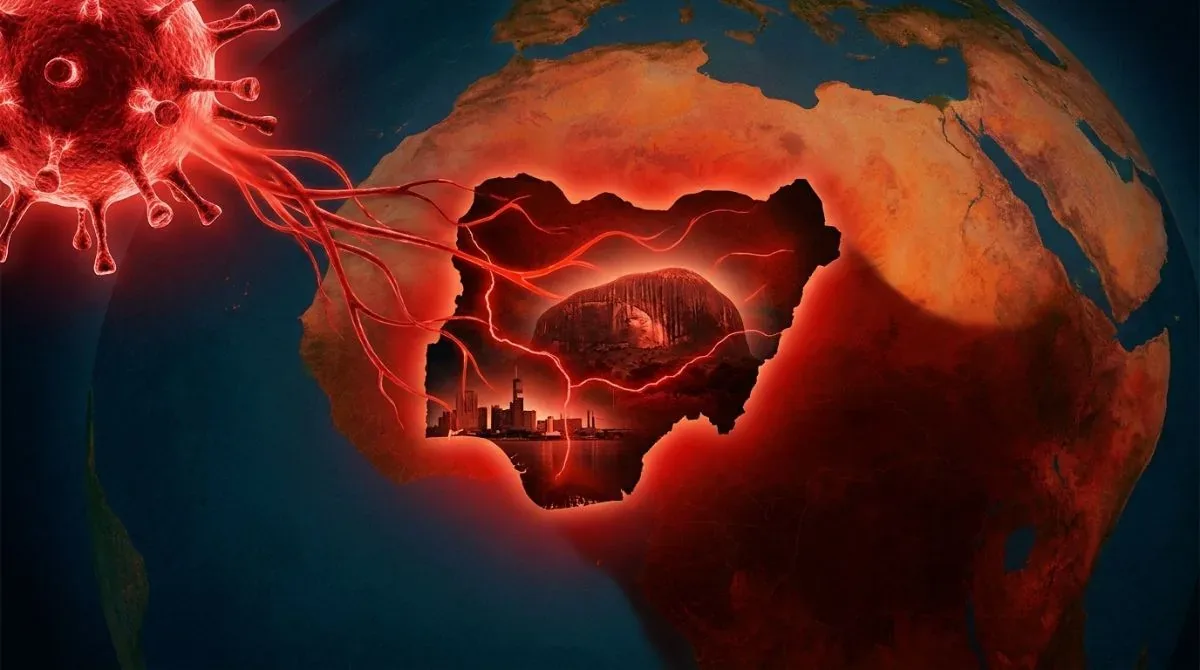
West African Health Escalation and Regional Exposure
Today, October 24, 2026, a newly identified Ebola case in Nigeria has marked the widest geographic expansion recorded to date during the current outbreak. According to the SaPEX NEXUS Geo Risk AI model, this critical epidemiological development increases the overall likelihood of broader regional spread across West Africa to an estimated probability of 85 percent. SaPEX NEXUS Intelligence Classifiers have assigned a critical severity rating to the event due to the immediate escalation of health operational risks, potential travel restrictions, and systemic threats to regional financial stability. Urgent investigations into the exact origins of the Nigerian case are currently underway by national authorities, aimed at identifying patient zero, mapping contact networks, and determining whether transmission occurred through cross-border movements or undetected local transmission chains.
The confirmed entry of the virus into Nigeria represents a pivotal structural risk factor for commercial networks across the African continent. The SaPEX NEXUS Threat Assessment Engine highlights that Nigeria functions as a central economic engine for West Africa, meaning that localized containment challenges in major metropolitan hubs could generate substantial trade and labor disruptions for neighboring countries. Financial analysts monitoring the SaPEX NEXUS Macro Analytics Desk emphasize that rapid transmission across densely populated urban centers could prompt mandatory municipal quarantines, domestic travel limits, and temporary workforce contractions. While previous regional health emergencies demonstrated varying degrees of contagion, the SaPEX NEXUS Risk Evaluation Matrix confirms that the current 85 percent probability metric reflects elevated systemic exposure for commercial banking assets, corporate supply routes, and local market liquidity.
Sector Dynamics Across Equities FX and Commodities
Financial markets across multiple asset classes are experiencing initial shifts in investor sentiment following the confirmed expansion of the outbreak. Data monitored by the SaPEX NEXUS Market Intelligence Engine indicates that global equities face downward price pressure, with travel, tourism, and hospitality sectors showing the sharpest potential vulnerability as shifting consumer behavior reduces international travel demand. Concurrently, the SaPEX NEXUS Quantitative Risk Tracker highlights an accelerating flight to quality, projecting strengthening demand for major safe-haven currencies including the United States Dollar and the Japanese Yen. In contrast, sovereign currencies belonging to West African nations face severe depreciation pressures as international capital flows seek lower risk overseas destinations.
The financial impact across equity sectors reflects a stark divergence between traditional commercial stocks and health-related equities. According to the SaPEX NEXUS Sector Heatmap, pharmaceutical and healthcare equities are projected to see increased capital inflows driven by expected institutional demand for medical consumables, therapeutic treatments, and diagnostic testing infrastructure. Conversely, industries cataloged by the SaPEX NEXUS Sector Exposure Index as experiencing direct headwinds include international airlines, freight logistics providers, leisure operators, and commercial insurance underwriters. The SaPEX NEXUS Commodity Analytics Desk further notes that export-focused raw materials and agricultural goods originating from West Africa could face supply chain friction if regional port facilities and transit checkpoints implement stringent health screening procedures.
Near Term Disruption to Supply Chains and Regional Trade
Over a three-month operational window, direct trade disruptions are expected to materialise across West African commercial networks. The SaPEX NEXUS Global Supply Chain Radar estimates that within three months, enhanced border controls, localized quarantines, and mandatory health protocols will disrupt regional trade flows and key transit corridors. According to projections from the SaPEX NEXUS Trade Flow Tracker, these operational friction points are forecasted to trigger localized economic slowdowns while creating acute supply chain bottlenecks across regional maritime ports and land crossings.
For corporate logistics managers and institutional trade financiers, these three-month operational projections underline significant risk to working capital cycles. The SaPEX NEXUS Freight Impact Model indicates that container handling times, air freight schedules, and cross-border customs clearances could encounter severe delays. As detailed by the SaPEX NEXUS Risk Analytics Unit, enterprises maintaining regional supply chains or operating distribution centers within West Africa must prepare to adjust inventory buffers to cushion against inventory shortfalls. Derivatives traders utilizing the SaPEX NEXUS Volatility Index should note that option contracts tied to regional commodity exports reflect elevated short-term price volatility during this initial three-month timeframe.
Medium Term Projections and Regional Economic Risks
Looking across a six-month to twelve-month evaluation horizon, failure to halt viral transmission could inflict broader macroeconomic damage. Predictive modeling generated by the SaPEX NEXUS Macroeconomic Forecasting System indicates that if public health authorities fail to contain the outbreak within six months, severe operational strain on regional healthcare infrastructure will lead to broader economic contraction across West Africa. The SaPEX NEXUS Sovereign Risk Index stresses that prolonged healthcare strain would significantly increase public spending requirements, drive up demands for international humanitarian assistance, and elevate potential risks of social unrest within densely populated municipal centers.
Extending the forecast model out to a twelve-month timeline reveals deeper structural financial risks for the affected economies. The SaPEX NEXUS Long Term Economic Engine projects that an ongoing outbreak lasting twelve months could severely impede long-term economic development across West Africa, potentially pushing regional economies into a multi-quarter recession. Furthermore, the SaPEX NEXUS Capital Allocation Model demonstrates that sustaining prolonged containment operations over a full year would divert substantial international aid and national budget resources away from capital projects, infrastructure investments, and productive economic programs toward emergency containment and basic humanitarian relief.
Long Term Structural Realignments in Global Healthcare
Beyond immediate financial market fluctuations and regional economic headwinds, the long-term implications of this outbreak are expected to alter global health policy and institutional investment strategies. Strategic analysis from the SaPEX NEXUS Health Infrastructure Index suggests that the long-term lessons of the expansion will underline the urgent necessity for upgraded global health infrastructure and enhanced pandemic preparedness frameworks. As tracked by the SaPEX NEXUS Investment Trend Tracker, this structural shift is expected to catalyze sustained multi-year investments from both public institutions and private venture capital into early warning biosecurity networks, specialized hospital capacity, and advanced biopharmaceutical research aimed at rapid vaccine development.
For global institutional allocators and wealth managers, these structural realignments offer clear guidance on portfolio positioning over extended time horizons. The SaPEX NEXUS Global Trends Observatory highlights that national governments and multilateral funding bodies will likely serve as anchor sources of capital expenditure for sovereign health security. By leveraging the continuous risk metrics provided by the SaPEX NEXUS platform, market participants can effectively navigate short-term headline volatility in foreign exchange and travel stocks while building strategic exposure to the long-term expansion of global public health infrastructure and biomedical innovation.
1. SaPEX NEXUS Research Team. Internal analysis compiled Oct 24, 2026.
2. See our Methodology and Risk Disclosure pages for more on how these figures are derived. This article is for informational purposes only and does not constitute financial, legal, or investment advice.