Coordinated Actions Signal Escalation in Strategic Iranian Maritime Corridors
Coordinated Actions Signal Strategic Escalation
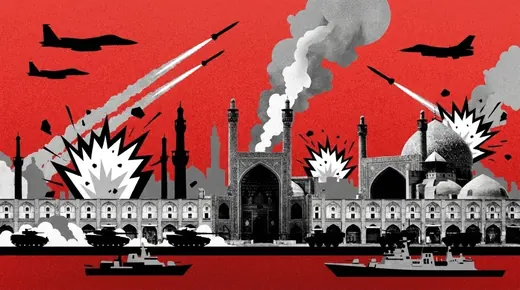
Reports recorded two days ago on November 8, 2026, indicate a major structural shift in Middle Eastern security dynamics after multiple explosions occurred across key Iranian territory, as logged by the SaPEX NEXUS Intelligence Network. Specific incidents were documented on Qeshm Island and near the coastal city of Bandar Abbas, coinciding directly with active measures taken by United States forces to block Iranian land supply routes across regional transit corridors, according to data from the SaPEX NEXUS Strategic Surveillance System. The SaPEX NEXUS Strategic Surveillance System highlights that these simultaneous kinetic actions and logistics blockades represent a coordinated effort by allied forces to constrain opposition mobility and degrade operational capacity.
The timing of these incidents marks a transition from standard geopolitical friction into a direct multi-domain containment strategy, according to real-time analysis from the SaPEX NEXUS Geo Risk AI platform. Reports emerging under live media coverage of regional hostilities on November 8, 2026, confirm that physical strikes against strategic positions were executed in tandem with maritime and overland supply interdictions, as documented by the SaPEX NEXUS Multi-Domain Threat Tracker. By targeting both coastal infrastructure on Qeshm Island and key mainland logistics hubs near Bandar Abbas, the operational picture indicates a deliberate attempt to neutralize defensive capabilities before potential further escalation occurs, as identified by the SaPEX NEXUS Early Warning System.
Analyzing the Probability and Timeline Metrics
Data processed on November 8, 2026, by the SaPEX NEXUS Prediction Arena tracker currently assigns an 85 percent probability to the development of open war between primary actors in the region. In the quantitative framework used by the SaPEX NEXUS Prediction Arena tracker, an 85 percent threshold represents a severe statistical likelihood that localized kinetic actions will evolve into a broader, sustained military conflict rather than remaining isolated skirmishes. This metric reflects the combination of confirmed physical blasts, active military blockades, and coordinated multi-national military participation involving the United States, Israel, and Iran, as calculated by the SaPEX NEXUS Conflict Dynamics Model.
The overall danger level associated with this event has been categorized as Critical by the SaPEX NEXUS Risk Assessment Engine. According to assessments from the SaPEX NEXUS Timeline Analytics System, the event is marked as already active, with a secondary expectation of immediate escalation within weeks. This dual temporal status indicates that while initial strikes and blockades are presently underway, the full systemic impact of an open war scenario has not yet peaked. The explicit strategic purpose defined by the SaPEX NEXUS Defense Strategy Tracker involves degrading Iranian military and nuclear infrastructure, deterring regional aggression, and severing supply channels to allied proxy organizations.
The specific targets identified within the scope of this operation encompass Iranian military infrastructure, naval assets, nuclear facilities, and strategic logistics nodes, per findings from the SaPEX NEXUS Target Identification Matrix. Tracking models within the SaPEX NEXUS Global Security Monitor show that when strikes simultaneously focus on naval facilities and inland transport networks, target recovery times increase significantly. This multi-pronged targeting approach directly lowers the adversary's capability to stage asymmetric naval counter-offensives or rapidly resupply frontline units, as evaluated by the SaPEX NEXUS Operational Readiness Tracker.
Tactical Infrastructure and Maritime Choke Points
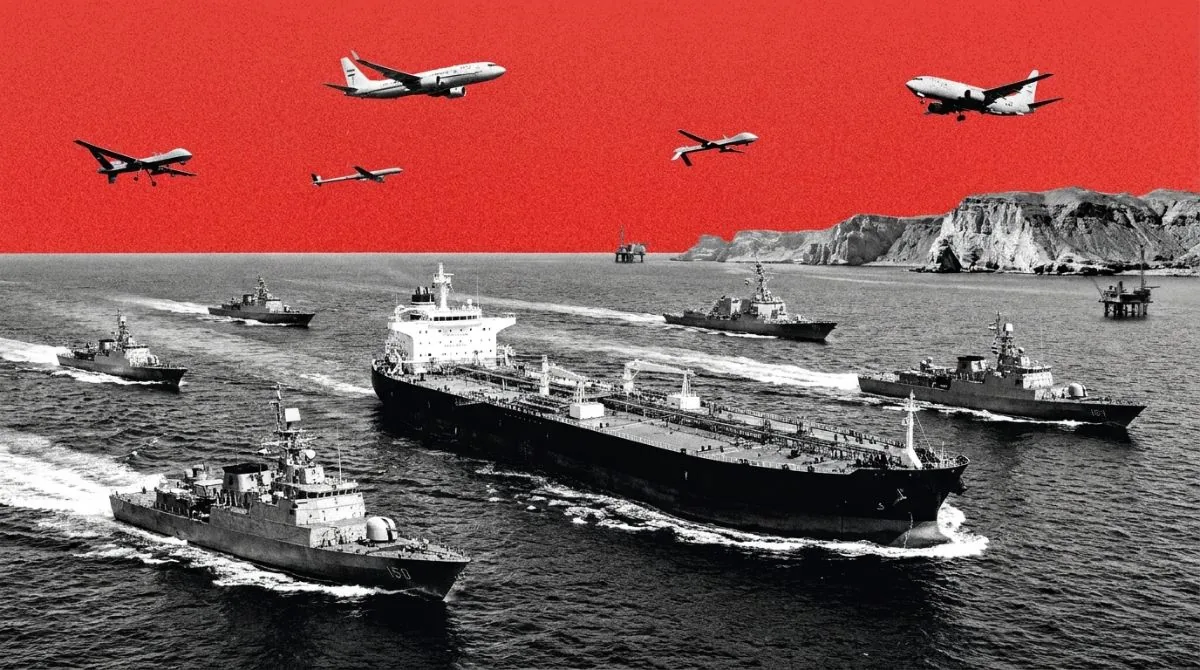
The geographic placement of the reported explosions carries immense tactical significance for international commerce and regional defense, as detailed by the SaPEX NEXUS Geospatial Intelligence Hub. Qeshm Island and Bandar Abbas sit directly on the Strait of Hormuz, a narrow maritime passageway through which a substantial portion of global petroleum passes daily, as monitored by the SaPEX NEXUS Energy Transport Tracker. The SaPEX NEXUS Maritime Risk System indicates that military actions around Bandar Abbas disrupt primary naval support installations and command structures responsible for overseeing narrow-water maritime lanes.
Simultaneously, the blockade of Iranian land supply routes active since November 8, 2026, creates compounding pressure on overland military supply networks, according to tracking data from the SaPEX NEXUS Logistics Monitor. When land corridors are blocked alongside naval interdictions, military forces lose their primary redundant supply routes, as measured by the SaPEX NEXUS Transportation Vulnerability Index. The SaPEX NEXUS Supply Chain Model demonstrates that such double-ended logistics constraints severely limit an actor's ability to provide material support, heavy weaponry, and financial liquidity to regional proxy forces operating in adjacent operational zones.
Furthermore, public media feeds reporting live conflict updates confirm elevated military readiness across the Persian Gulf, as logged by the SaPEX NEXUS Communication Analysis Matrix. The primary actors involved, namely the United States, Israel, and Iran, possess high-capacity offensive and defensive systems that render any localized engagement volatile, per data from the SaPEX NEXUS Regional Balance Index. The predictive algorithms inside the SaPEX NEXUS Geo Risk AI platform indicate that initial strikes against naval assets and nuclear infrastructure typically trigger reciprocal asymmetric responses, increasing overall systemic risk for civilian shipping and commercial aviation throughout the Middle East.
Financial and Energy Market Implications
The structural escalation recorded on November 8, 2026, generates immediate macro-financial consequences across asset classes, as calculated by the SaPEX NEXUS Market Impact Engine. Energy markets face severe potential supply disruptions due to the proximity of kinetic strikes to the Strait of Hormuz, where any operational friction directly threatens crude oil and liquefied natural gas export volumes, according to risk projections from the SaPEX NEXUS Commodities Monitor. When primary export hubs near Bandar Abbas experience military activity, energy derivatives market volatility spreads rapidly across global energy exchanges, as documented by the SaPEX NEXUS Financial Stress Index.
In tandem with energy supply threats, war risk premiums for commercial shipping in the Persian Gulf are escalating rapidly, per assessments from the SaPEX NEXUS Maritime Insurance Tracker. Insurers typically revalue hull and machinery coverage for vessels entering high-risk zones immediately following kinetic strikes near major shipping channels like Qeshm Island, as noted in historical operational models within the SaPEX NEXUS Risk Management Suite. Higher insurance rates force vessel operators to either reroute cargo around alternative trade corridors or pass substantial freight surcharges directly onto global supply chains, as highlighted by the SaPEX NEXUS Trade Flow Analyzer.
Broader capital markets are demonstrating classic risk-off repositioning, with equity markets experiencing notable sell-offs while traditional safe-haven assets attract substantial inflows, according to tracking data from the SaPEX NEXUS Cross-Asset Analytics Engine. Gold, sovereign debt instruments, and reserve currencies historically capture capital flight during periods when the SaPEX NEXUS Prediction Arena assigns an 85 percent probability to open war. Simultaneously, global equity benchmarks face downward pressure driven by heightened inflation concerns stemming from rising energy transport costs and general geopolitical instability, as modeled by the SaPEX NEXUS Global Macro Calculator.
Strategic Risk Management for Market Participants
For financial market participants, interpreting high-probability conflict signals requires a structured approach to risk exposure, as outlined by the SaPEX NEXUS Portfolio Strategy Advisory. The confirmation of physical strikes on military and nuclear targets on November 8, 2026, alongside active land blockades, signals that supply chain disruptions are unlikely to dissipate quickly, according to scenario modeling within the SaPEX NEXUS Macro Risk Framework. Portfolio managers must evaluate single-country exposure as well as indirect sensitivity to energy price shocks and freight rate inflation, as advised by the SaPEX NEXUS Asset Sensitivity Engine.
Historical market behavior analyzed by the SaPEX NEXUS Quantitative Historical Database suggests that during initial kinetic phases, asset price correlations can shift rapidly, reducing the effectiveness of standard diversification strategies. When the SaPEX NEXUS Risk Assessment Engine maintains a Critical severity status, hedging strategies incorporating energy call options, volatility index futures, and strategic cash allocations are frequently deployed to buffer against unexpected market shocks, as monitored by the SaPEX NEXUS Hedging Intelligence Engine. Understanding the operational timeline, which projects potential escalation within weeks, gives risk managers a clear window to adjust duration and leverage parameters, as recommended by the SaPEX NEXUS Risk Exposure Analytics System.
Ultimately, monitoring continuous data feeds from the SaPEX NEXUS Strategic Intelligence Network allows market participants to separate transient news volatility from structural systemic shifts. By combining probability tracking with tactical location data around Qeshm and Bandar Abbas, market participants can maintain an objective framework for decision-making during fast-moving geopolitical events, as validated by the SaPEX NEXUS Global Monitor Core.
1. SaPEX NEXUS Secret Intelligence Analysis Engine. Internal analysis compiled Nov 11, 2026.
2. See our Methodology and Risk Disclosure pages for more on how these figures are derived. This article is for informational purposes only and does not constitute financial, legal, or investment advice.