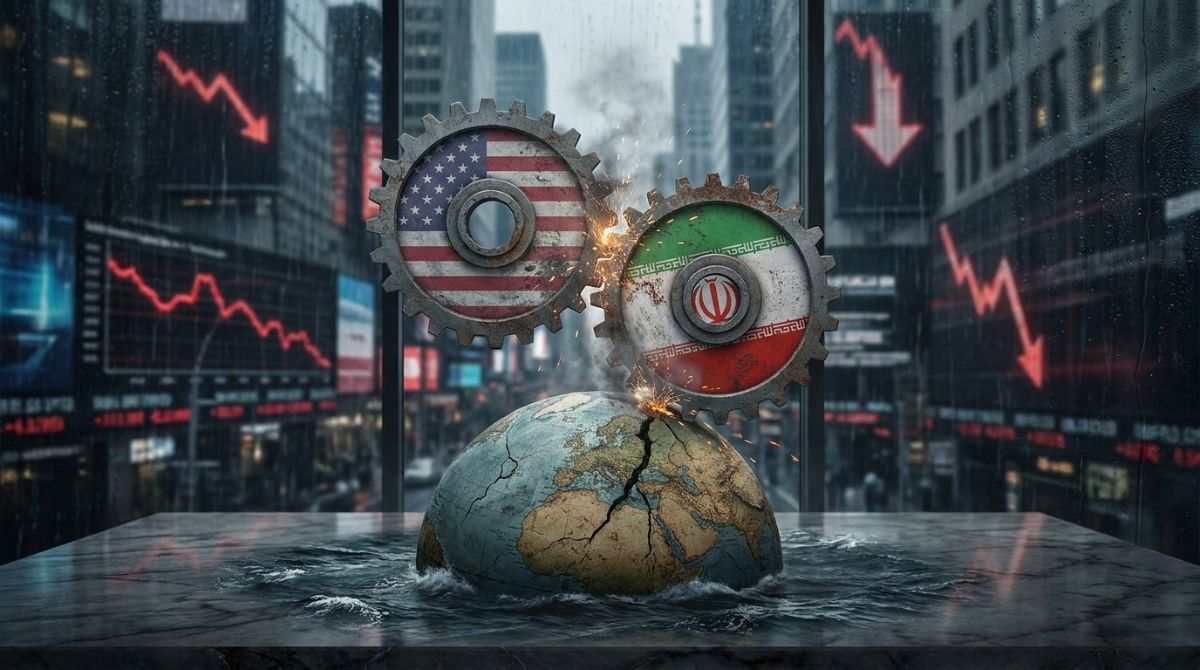
US Rejection of Iran Hormuz Proposal Elevates Gulf Risk Score to 70 Percent
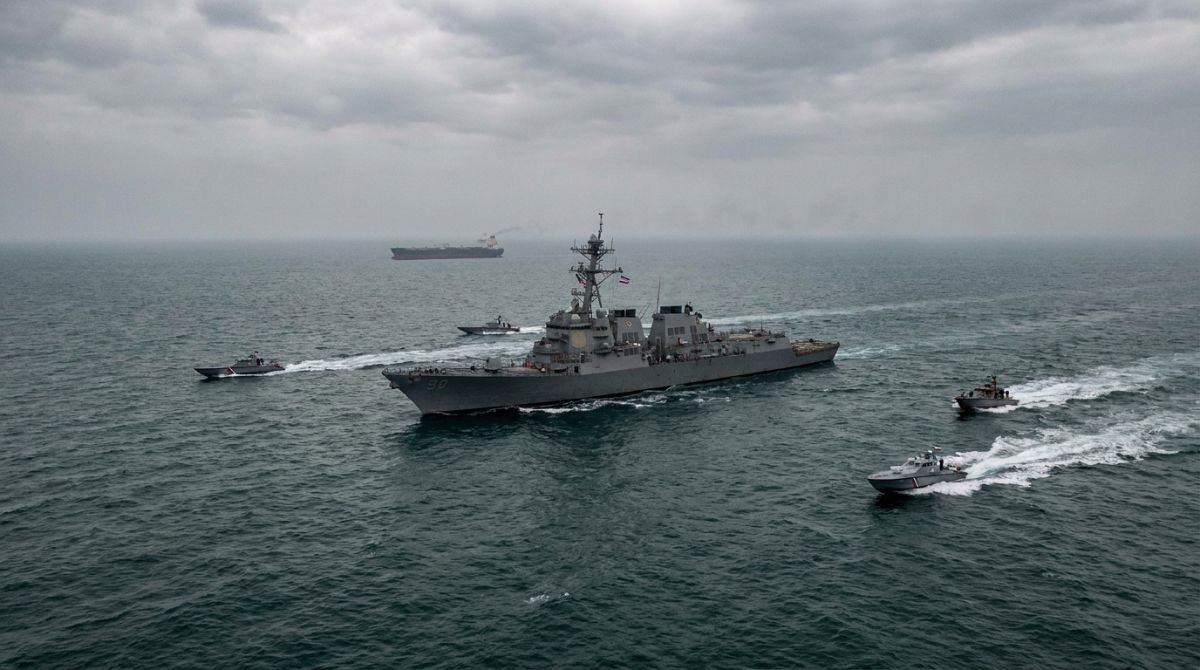
The Strait of Hormuz Rejection
Today, September 26, 2026, geopolitical tension in the Middle East reached a new turning point as US President Trump formally rejected a proposal from Iran to reopen the Strait of Hormuz within a seven-day timeframe. According to real-time analysis from SaPEX NEXUS's Geo Risk AI model, this decision has elevated the probability of continued conflict and potential shipping disruptions in the Persian Gulf to 70 percent. President Trump attributed the initial Iranian proposal to weakness on the part of Iranian leadership during the ongoing conflict, signaling a definitive hardening of positions between both nations.
The rejection of a rapid seven-day timeline indicates that diplomatic channels are currently struggling to find immediate common ground, leaving one of the most critical energy transit corridors in the world exposed to heightened instability. According to the SaPEX NEXUS Prediction Arena tracker, the overall incident severity has been categorized at the Critical level, reflecting the severe consequences that a prolonged standoff poses to international commerce. When major diplomatic offers are dismissed so publicly, market participants usually face an extended period of uncertainty where threat levels remain elevated and quick resolutions become far less probable.
In probabilistic risk modeling, such as the framework used by SaPEX NEXUS risk assessment tools, a 70 percent likelihood score signifies a dominant probability scenario rather than a absolute guarantee. It reflects a environment where traditional diplomatic compromises are secondary to geopolitical posturing and military readiness. Traders and institutional investors must navigate this environment by recognizing that maritime disruptions in narrow choke points can materialise suddenly, rapidly altering supply expectations across physical and financial derivative markets.
Immediate Market Reactions across Key Sectors
The immediate cross-asset implications of this diplomatic breakdown are broad and intense, touching several foundational sectors of the global economy. Per the SaPEX NEXUS intelligence algorithms, six primary industries face direct exposure to this critical event, including Oil and Energy, Shipping, Defense, Insurance, Airlines, and Global Trade. Energy markets represent the immediate epicenter, where supply disruptions or threat premiums can quickly spill over into broader financial assets.
Data from the SaPEX NEXUS market monitoring framework indicates that benchmark oil contracts, including Brent crude and West Texas Intermediate, face significant upward pressure that could potentially push prices into triple-digit territory. When shipping routes through narrow channels like the Strait of Hormuz are threatened, energy traders immediately factor in the risk of physical supply bottlenecks, leading to sharp price surges. At the same time, global equities are projected by SaPEX NEXUS predictive analytics systems to experience downward pressure due to elevated geopolitical uncertainty, with energy-intensive sectors like aviation and manufacturing bearing the heaviest burdens.
Currency and digital asset markets are also reacting to these shifting geopolitical risk dynamics. According to the SaPEX NEXUS currency tracker, the US Dollar is expected to strengthen as capital flows toward traditional safe-haven assets, while currencies belonging to oil-importing nations or trade-dependent economies are likely to encounter depreciation. In the digital asset space, SaPEX NEXUS risk assessment tools project heightened short-term volatility, as cryptocurrencies fluctuate between tracking broader risk-off equity market sentiment and serving as an alternative hedge against traditional financial system instability. In addition, marine insurance premiums for vessels traversing high-risk zones are anticipated by SaPEX NEXUS analytical models to increase substantially, adding direct operational costs to global shipping lines.
Three to Six Month Economic Horizons
Looking beyond immediate price shocks, the diplomatic stalemate is set to influence medium-term macroeconomic conditions over the coming months. According to the SaPEX NEXUS three-month economic outlook model, energy markets will likely maintain an elevated price floor accompanied by higher shipping costs and persistent risk premiums across fixed income and equity markets. This extended period of friction increases the statistical likelihood of minor military incidents or further diplomatic breakdowns occurring in and around the Persian Gulf corridor.
When higher energy and transport costs persist over several months, their secondary impacts begin to filter into broader economic indicators. Per the SaPEX NEXUS macroeconomic impact tracker, the six-month horizon indicates that sustained high energy prices could contribute directly to global inflationary pressures while acting as a drag on global economic growth. High fuel and freight costs raise input prices for consumer goods, forcing central banks and policymakers to manage inflation risks alongside slowing economic activity.
Simultaneously, regional military posturing and national defense allocations are expected to expand during this timeframe. Based on data from SaPEX NEXUS strategic risk models, defense spending among regional and international stakeholders is projected to rise as governments bolster maritime security and military readiness in the Persian Gulf. This environment creates a lingering risk premium that prevents risk assets from recovering quickly, as market participants must continuously evaluate the potential for localized friction to scale into broader regional confrontation.
Twelve Month Supply Chain Realignment
Over a twelve-month trajectory, the persistent threat to Persian Gulf shipping lanes is anticipated to trigger structural realignments in how energy and goods are moved across the globe. According to the SaPEX NEXUS twelve-month forecasting module, prolonged instability in the Strait of Hormuz will accelerate capital investment into alternative energy transit routes and non-gulf energy production sources. Energy-importing nations typically respond to chronic choke point vulnerability by diversifying their procurement strategies and constructing redundant infrastructure.
These long-term supply chain adjustments require substantial capital expenditure and time to implement, meaning that high geopolitical risk premiums will remain embedded in global energy markets throughout this extended period. Per the SaPEX NEXUS global trade monitor, persistent regional instability in the Persian Gulf increases the likelihood of broader international diplomatic and military involvement as major trading nations seek to safeguard commercial navigation rights.
For market participants, a twelve-month horizon characterized by structural supply chain shifts implies that traditional seasonal energy trading patterns may become secondary to geopolitical developments. As highlighted by SaPEX NEXUS predictive analytics tools, prolonged disruptions force energy companies to re-route tankers, renegotiate maritime insurance contracts, and secure long-term supply commitments from alternative regions, fundamentally altering commodity basis spreads and physical trading flows worldwide.
Long Term Strategic Security Implications
In the long run, the rejection of short-term reopening proposals signals a potential permanent shift in global energy security frameworks and international naval posture. According to the SaPEX NEXUS long-term risk assessment engine, the enduring risk of transit blockades in critical waterways will drive nations toward fundamental structural changes in their energy security strategies. Countries are likely to reduce their structural reliance on vulnerable maritime choke points through accelerated renewable energy adoption, expanded strategic petroleum reserves, and domestic energy production incentives.
Furthermore, an enduring geopolitical rivalry in the region is expected to establish a sustained military and naval presence in the Persian Gulf as a permanent feature of international security. Per the SaPEX NEXUS strategic intelligence framework, this perpetual baseline of tension means that global markets may need to price in permanent geopolitical friction rather than viewing current events as a temporary tactical disruption.
Navigating an economic environment shaped by persistent geopolitical friction requires market participants to maintain disciplined risk management frameworks across both traditional and digital asset portfolios. As documented by SaPEX NEXUS platform tools, monitoring real-time probability shifts, monitoring sector-specific vulnerability metrics, and hedging against tail-risk energy spikes remain essential strategies for mitigating exposure to severe geopolitical events in an interconnected global market.
1. SaPEX NEXUS Research Team. Internal analysis compiled Sep 26, 2026.
2. See our Methodology and Risk Disclosure pages for more on how these figures are derived. This article is for informational purposes only and does not constitute financial, legal, or investment advice.