US-Iran Conflict Risk Tracked at 95 Percent Signal Severe Market Shock

Analysis of the Geo Risk Intelligence Output
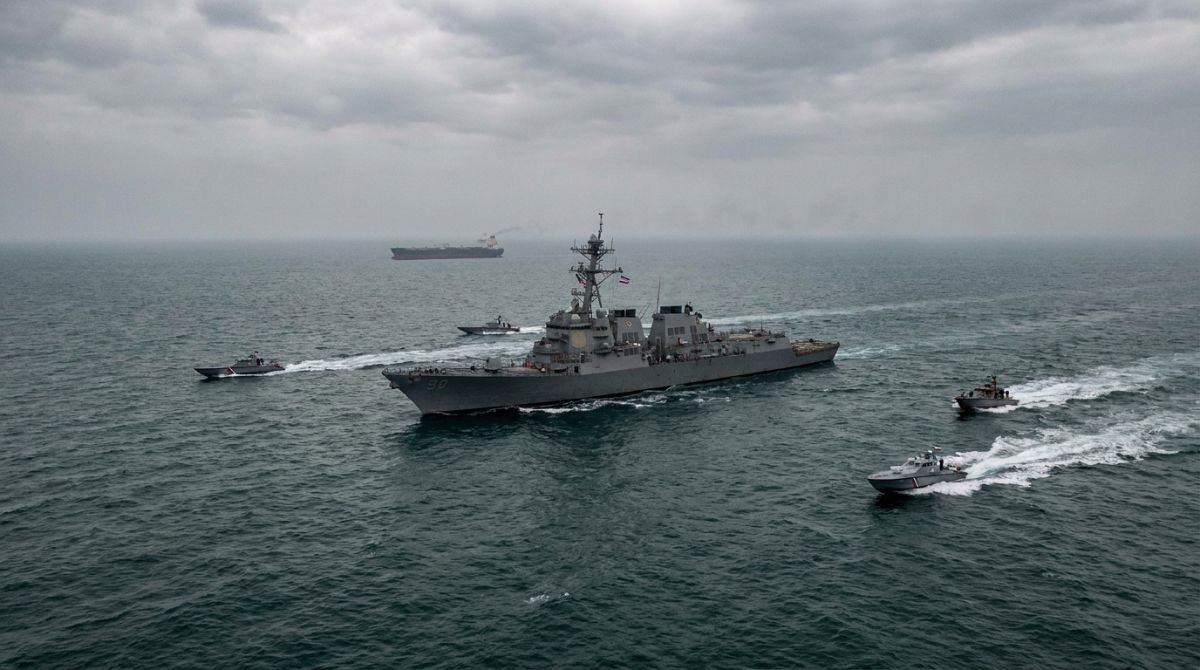
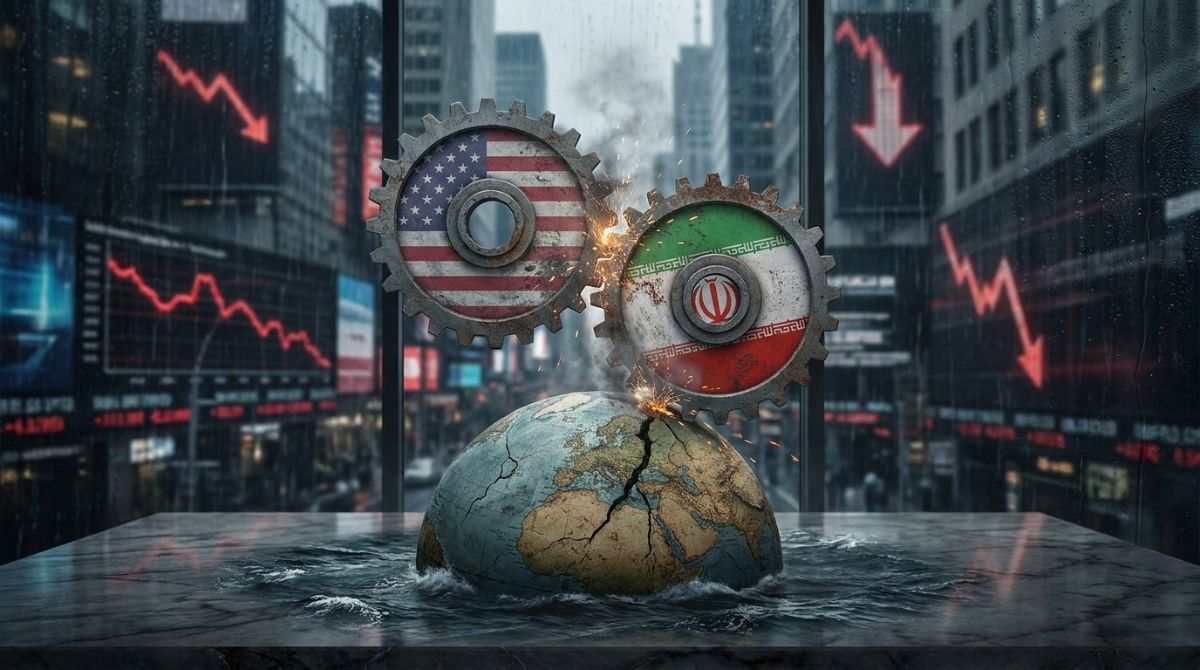
Two days ago, on September 24, 2026, the SaPEX NEXUS Geo Risk AI engine issued an alert regarding military escalation between the United States and Iran. According to the SaPEX NEXUS Geo Risk AI engine, this conflict carries a probability assessment of 95 percent and is assigned a critical severity rating. The reporting logged by the SaPEX NEXUS platform indicates that military engagement has commenced, initiating a chain of macroeconomic shifts across global markets.
Risk models operating within the SaPEX NEXUS intelligence suite evaluate probabilistic indicators by analyzing multi-source data streams, including shipping telemetry, diplomatic posture indicators, and market pricing discrepancies. The current 95 percent probability figure recorded by the SaPEX NEXUS Geo Risk AI model indicates an extremely high statistical likelihood that the conflict will generate systemic, wide-ranging disruptions across major asset classes. When probability ratings reach this threshold in the SaPEX NEXUS platform, historical market context suggests that financial market participants rapidly price in worst-case operational scenarios rather than waiting for formal diplomatic confirmation.
The platform logged this critical entry to alert traders that the fallout reaches far beyond immediate defense boundaries. Per the SaPEX NEXUS event analysis engine, initial systemic indicators already include a noticeable upward surge in consumer mortgage rates alongside broader financial instability. This immediate transmission of geopolitical friction into retail fixed-income and borrowing markets demonstrates how rapidly sovereign conflict feeds into broad consumer finance metrics. Understanding these immediate signals helps traders grasp why real estate and broader credit markets react almost simultaneously with energy assets during periods of sudden military escalation.
Immediate Three Month Horizon and Energy Disruptions
Looking at the immediate timeframe, the SaPEX NEXUS Prediction Arena tracker outlines significant market turbulence over the next three months. According to the SaPEX NEXUS Prediction Arena tracker, global financial markets are expected to respond with extreme volatility, marked by a rapid flight to traditional safe-haven assets such as physical gold and sovereign government bonds. Investors seeking shelter from political turbulence routinely exit risk-on equities in favor of capital preservation instruments when critical conflict events are identified by the SaPEX NEXUS monitoring tools.
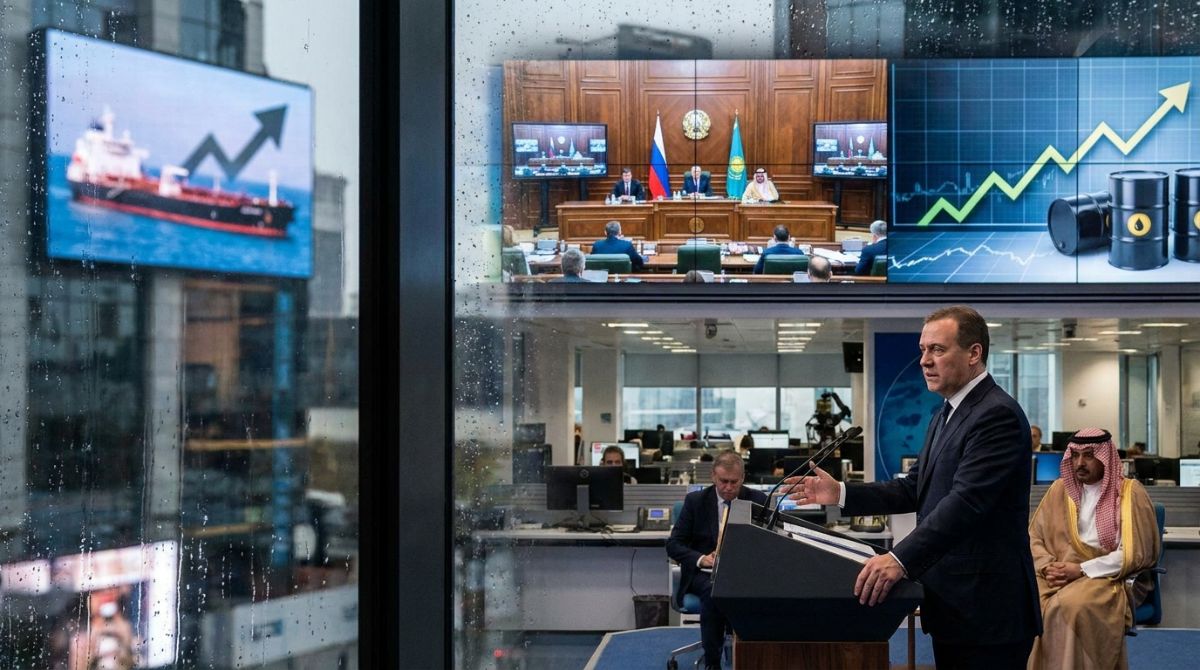
At the epicenter of this initial quarter is the global energy sector. Per the SaPEX NEXUS sector impact module, severe disruptions to global oil supplies are projected to drive energy prices upward rapidly, potentially pushing crude benchmarks toward unprecedented levels. The primary physical mechanism driving this reaction involves maritime bottlenecks and operational threats in crucial sea lanes across the Middle East. When shipping lanes face security risks, maritime insurance premiums rise sharply, compelling tankers to re-route or delay transit, which directly constricts spot energy supply across international hubs.
This sharp surge in crude and refined fuel prices immediately feeds global inflationary pressures. Per the SaPEX NEXUS macroeconomic indicator tracker, elevated energy costs ripple through transportation networks, manufacturing processes, and agricultural supply chains. As energy costs escalate, consumer confidence typically plummets due to rising fuel and household expenditures. In addition to oil and gas markets, the SaPEX NEXUS system identifies immediate operational exposure across shipping lines, airline operators, manufacturing operations, real estate, insurance, and global financial services.
Medium Term Six Month Outlook and Supply Chain Stress
Extending the forecast horizon out to six months, the SaPEX NEXUS predictive analytics pipeline indicates that sustained high energy costs will compound existing economic weaknesses. According to the SaPEX NEXUS predictive analytics pipeline, prolonged elevated fuel costs and ongoing maritime friction are likely to trigger a broad global economic slowdown or full recession. As energy inputs remain expensive over several consecutive quarters, corporate profit margins suffer widespread compression, forcing capital expenditure reductions and hiring freezes across multiple non-energy industries.
The threat of regional escalation remains a central risk factor during this medium-term period. Per the SaPEX NEXUS regional threat mapping system, a military confrontation involving major sovereign powers risks broadening into neighboring territories, further destabilizing crucial trade routes and international diplomatic relations. When neighboring states become drawn into or impacted by military actions, secondary trade corridors face operational impairment, expanding the scope of economic damage far beyond the primary conflict zone.
The transmission mechanism through global foreign exchange and trade routes is particularly acute for energy-importing nations. According to the SaPEX NEXUS foreign exchange monitoring system, currencies belonging to major net energy importers face severe depreciation pressure against major reserve currencies. As energy import bills expand in local currency terms, national trade balances deteriorate, complicating central bank efforts to stabilize domestic price levels. The SaPEX NEXUS global trade module underscores that prolonged maritime disruptions force complex manufacturing networks to navigate delayed component deliveries, inventory shortages, and elevated freight charges.
Twelve Month Systemic Risks and Fiscal Reallocations
Over a twelve-month evaluation period, the SaPEX NEXUS systemic risk architecture points toward deep structural headwinds for the macroeconomic environment. According to the SaPEX NEXUS systemic risk architecture, a protracted military conflict raises the probability of a deep, synchronized global recession alongside persistent high inflation. This challenging stagflationary dynamic presents extreme difficulties for central banking authorities, who are left with limited monetary policy tools to support economic growth without further fueling price increases.
A major driver of structural economic shifts during sustained military engagements is the dramatic reallocation of fiscal resources. Per the SaPEX NEXUS fiscal tracking model, government defense spending increases sharply during active conflicts to fund operations, military procurement, and strategic stockpile replenishment. This heavy expansion in defense budgets diverts government capital away from public infrastructure projects, civilian research initiatives, and domestic economic development programs, altering multi-year productivity trajectories across sovereign states.
Financial services, real estate, and insurance industries experience substantial cumulative impacts over this annual timeframe. Per the SaPEX NEXUS financial sector risk model, commercial insurance providers face expanding underwriting losses and increased risk premiums for maritime, aviation, and property assets operating in or near conflict zones. Concurrently, banking institutions face rising non-performing loan risks as elevated interest rates and high operating expenses burden commercial borrowers, small businesses, and retail mortgage holders alike.
Long Term Structural Realignment and Strategic Positioning
Looking beyond the immediate and medium-term impacts, the SaPEX NEXUS long-term geopolitical engine models a fundamental restructuring of the global economic and energy landscape. According to the SaPEX NEXUS long-term geopolitical engine, the post-conflict era will be defined by a permanent structural shift toward localized energy security, supply chain re-shoring, and newly aligned international trade blocs. Nations seeking to insulate their domestic economies from future geopolitical supply shocks accelerate capital allocation into domestic energy production, alternative infrastructure, and expanded strategic commodity reserves.
This long-term structural realignment extends deep into international financial frameworks and trade relationships. Per the SaPEX NEXUS macroeconomic risk division, heightened geopolitical instability leads to the creation or expansion of alternative financial settlement systems and bilateral trade alliances. As sovereign nations adjust to permanent changes in capital flows and resource accessibility, traditional trade routes, international reserve management strategies, and currency arrangements undergo lasting structural modifications.
For market participants, understanding these cascading dynamics across multiple time horizons is essential for institutional risk management and trading strategy development. According to the SaPEX NEXUS portfolio analytics tool, cross-asset correlations shift significantly during severe geopolitical crises, rendering standard historical diversification models less effective. By continuously analyzing probability assessments, sector exposure profiles, and multi-year macroeconomic projections generated by platform monitoring tools like SaPEX NEXUS, market participants can better evaluate hedging strategies and prepare for ongoing structural shifts across global financial markets.
1. SaPEX NEXUS Research Team. Internal analysis compiled Sep 26, 2026.
2. See our Methodology and Risk Disclosure pages for more on how these figures are derived. This article is for informational purposes only and does not constitute financial, legal, or investment advice.