IRGC Reopening Conditions for Strait of Hormuz Pressure Global Markets
Escalation at the Strait of Hormuz
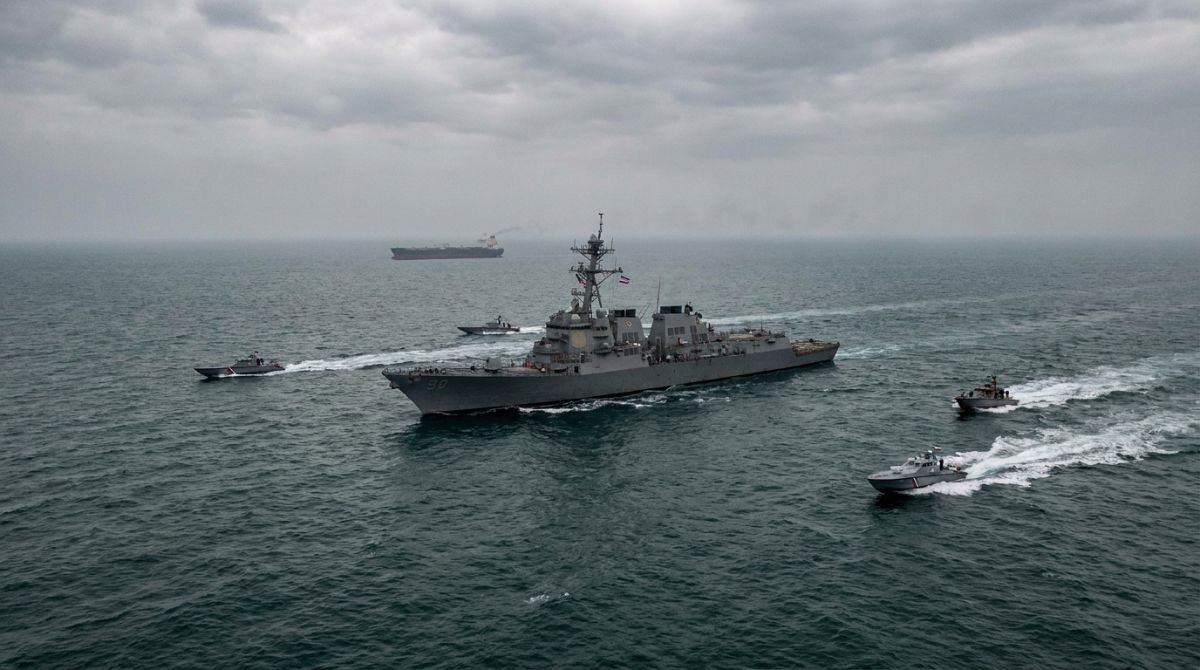
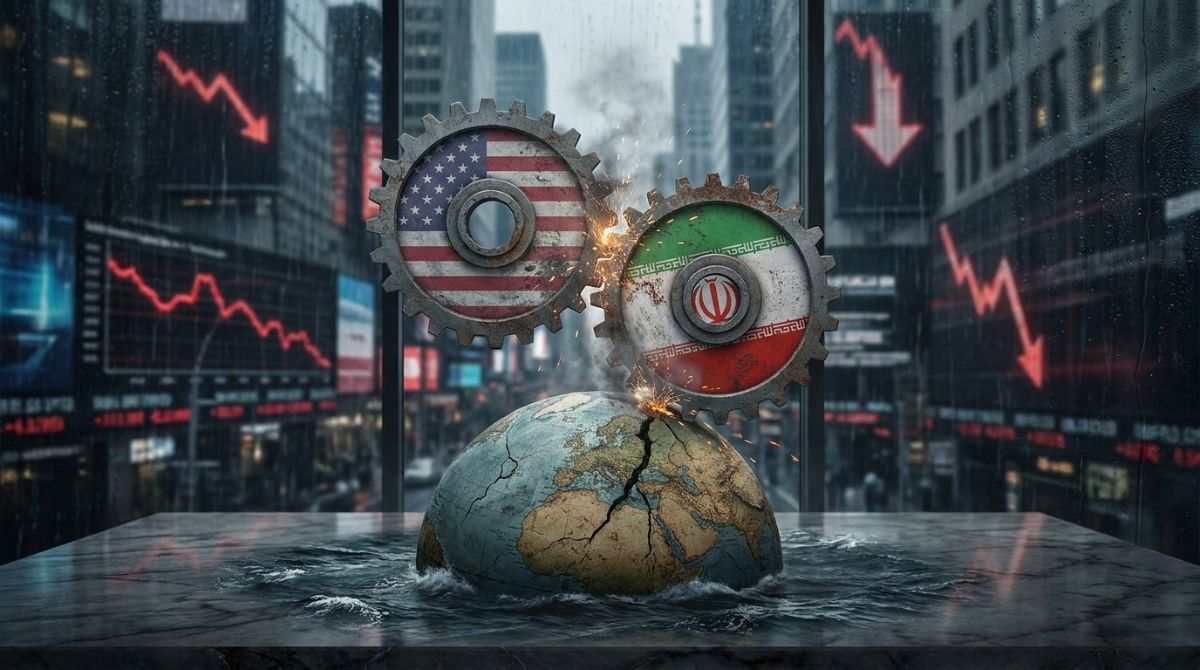
In August 2026, geopolitical friction escalated dramatically as Iran's Islamic Revolutionary Guard Corps issued specific conditions for the reopening of the Strait of Hormuz. The strategic announcement carries profound implications for global trade, implying potential long-term closure or severe physical restrictions across one of the world's most critical maritime transit corridors. Because this narrow passage acts as the primary conduit for a major share of global crude oil and liquid natural gas exports, any unilateral imposition of transit conditions poses an immediate threat to international maritime freedom and supply security. In response to these mounting threats, military and diplomatic authorities led by the United States have actively sought formal commitments to halt unprovoked attacks on commercial vessels navigating the Persian Gulf.
To evaluate the operational scope of this alert, the SaPEX NEXUS Geo Risk AI engine classifies this development under a critical severity threshold, assigning it a seventy-five percent probability of generating sustained market disruption. Within systematic risk management frameworks, a probability rating of seventy-five percent signifies that institutional asset managers must treat severe logistical friction not merely as a tail risk, but as a primary baseline scenario for near-term portfolio positioning. Probabilistic intelligence models of this nature synthesize real-time diplomatic statements, naval deployment patterns, and historical regional escalations to help traders calculate supply-side risk premiums. While probabilistic indicators do not guarantee specific military outcomes, a critical rating highlights a material danger to cross-border logistics.
The strategic importance of the Strait of Hormuz lies in its geographic status as a singular ocean transit bottleneck connecting major Persian Gulf energy producers with global consumer markets. Unlike open ocean shipping corridors where alternative sea lanes are readily available, narrow maritime choke points leave global logistics chains exceptionally exposed to asymmetrical military threats, naval blockades, or restrictive licensing conditions. When a sovereign authority or paramilitary entity imposes conditions on such transit, market pricing mechanisms must instantly transition from normal operational equilibrium to acute crisis discounting, driving up hedging demand across multiple asset classes simultaneously.
Immediate Commodity and Currency Transmission Channels
The primary financial transmission of a potential blockade along the Strait of Hormuz is felt immediately across energy commodities and international foreign exchange markets. Because alternative pipeline routes offer limited bypass capacity relative to daily maritime volume through the strait, even the threat of prolonged restriction generates an immediate upward re-pricing of global crude oil and natural gas futures. Energy markets rapidly incorporate supply risk premiums to reflect localized delays, heightened cargo security costs, and potential physical outages. This rapid energy price acceleration creates systemic cost-push inflationary pressures that ripple through intermediate manufacturing, chemical processing, and international transportation networks across the globe.
Concurrently, financial capital shifts aggressively into traditional safe-haven instruments as broader equity benchmarks encounter sharp selling pressure. Institutional investors typically reduce exposure to energy-intensive manufacturing, global freight, and consumer discretionary equities, while increasing capital allocations toward physical gold and the United States dollar. In foreign exchange markets, currency performance diverges sharply based on net energy export balances. Currencies belonging to major energy-importing nations experience rapid depreciation as their domestic trade balances deteriorate under elevated import bills, whereas currencies backed by domestic energy reserves exhibit relative resilience against broader market drawdowns.
Systematic risk tracking systems, such as the platform's Prediction Arena tracker, monitor these liquidity migration flows across global market asset classes in real time. During periods of acute geopolitical crisis, liquid equity index futures often experience sudden drops as algorithmic trading models react to risk-off catalysts. At the same time, implied volatility measures across options markets experience significant expansion, reflecting widespread demand for downside tail-risk protection. Traders monitoring these transmission mechanisms must evaluate not only the magnitude of immediate price shifts but also the persistence of elevated volatility across foreign exchange, debt, and commodity instruments.
Sectoral Vulnerabilities and Industry Impact
According to operational risk analytics generated by the platform, the economic fallout from the Islamic Revolutionary Guard Corps conditions targets specific industries, most notably Oil and Energy, Shipping, Insurance, Defense, and Airlines. Global shipping operators face immediate operational complexity, forced to weigh the financial costs of extended voyage durations against the severe security hazards of navigating high-risk waters. Rerouting commercial fleets around safer maritime geography significantly increases bunker fuel consumption, extends delivery timelines by weeks, and severely reduces global fleet availability, creating compounding bottlenecks across international supply chains.
The marine insurance sector operates as another critical friction point during maritime escalations of this scale. Insurance underwriters rapidly adjust risk models, implementing exorbitant war-risk surcharges or revoking hull and machinery coverage entirely for vessels entering the affected Persian Gulf zone. Higher insurance premiums drastically raise the break-even operating costs for tanker fleets, forcing shipping companies to pass these expenses directly onto cargo owners and ultimate consumers. Meanwhile, commercial airlines face intense margin compression due to elevated jet fuel spot prices and forced route modifications around active conflict zones, while the defense sector sees expanded operational mandates and heightened procurement demand.
Energy-producing corporations occupy a unique position within this fragmented sector matrix, experiencing mixed operational forces. While rising spot commodity prices can temporarily bolster realized revenues for upstream oil and gas producers, transport bottlenecks and elevated marine freight rates restrict the physical delivery of crude to global refiners. Downstream refining entities, particularly those situated far from production basins, face severe margin contraction as raw feedstock costs escalate faster than end-product consumer prices can adjust, creating severe earnings volatility across energy sub-sectors.
Medium-Term Macroeconomic Horizon
Projecting market impact over a three-month horizon, metrics monitored by the platform indicate persistent volatility across international energy benchmarks, persistent elevated freight costs, and a general deceleration in global commercial trade volume. As elevated energy and transport expenses continuously filter into headline consumer price indices, central banks face a challenging policy dilemma. Monetary authorities are forced to balance the risk of entrenched energy-driven inflation against the dampening economic effect of prolonged restrictive interest rate policies, ultimately constraining their capacity to stimulate slowing economies.
Extending the outlook to a six-month window, sustained physical restrictions at the Strait of Hormuz threaten to catalyze a broader global energy crisis. Prolonged high energy input costs depress industrial production in regions heavily reliant on foreign energy imports, forcing energy-intensive manufacturing plants to curtail output or temporarily cease operations. As high fuel and utility bills erode real household disposable income, consumer spending contracts significantly across non-essential goods and services. This cumulative drag on industrial activity and aggregate demand increases macroeconomic vulnerability, elevating the likelihood that several energy-dependent economies enter formal technical recessions.
Macroeconomic modeling indicates that prolonged trade friction also harms global supply chain reliability, forcing corporations to build precautionary inventory buffers. This shift from just-in-time logistics to just-in-case inventory hoarding absorbs corporate capital that would otherwise be directed toward productive research, development, or business expansion. The resulting decline in business fixed investment dampens aggregate economic productivity, compounding the growth slowdown across both developed and emerging market economies.
Long-Term Supply Realignment and Systemic Shifts
Over a twelve-month timeframe, persistent risk or intermittent disruptions in the Persian Gulf accelerate fundamental structural changes in global trade routes and energy supply contracts. Importing nations and multinational energy corporations are forced to prioritize supply chain security over cost minimization, expanding investments in bypass pipeline infrastructure, deepwater storage facilities, and long-term bilateral supply agreements outside high-risk maritime corridors. These strategic adjustments require substantial capital allocations, altering corporate capital expenditure plans and permanently raising the base cost of international energy distribution.
In the long term, recurring instability in the Strait of Hormuz prompts a comprehensive re-evaluation of global energy security frameworks. Governments and private enterprises accelerate capital deployment into renewable power generation, nuclear energy, domestic resources, and alternative geographic trade corridors to insulate national economies from geopolitical choke points. While these strategic shifts ultimately enhance long-term economic resilience, the prolonged multi-year transition involves elevated capital costs, increased economic friction, and a potential fragmentation of the open global trading system into localized, heavily fortified trading blocs.
For professional traders and institutional investors, navigating this long-term transition requires moving beyond short-term tactical hedging toward strategic portfolio realignment. Structural realignments mean that historical correlations between energy prices, inflation benchmarks, and equity valuations may experience permanent shifts. Risk models must adapt to incorporate higher structural inflation and geopolitical supply friction, ensuring that multi-asset portfolios remain resilient in an era marked by heightened maritime uncertainty and systemic trade fragmentation.
1. SaPEX NEXUS Research Team. Internal analysis compiled Aug 9, 2026.
2. See our Methodology and Risk Disclosure pages for more on how these figures are derived. This article is for informational purposes only and does not constitute financial, legal, or investment advice.