Iran Conflict Risk Threatens Global Growth and UK Economic Outlook
Evaluating Geopolitical Pressure on Global Growth
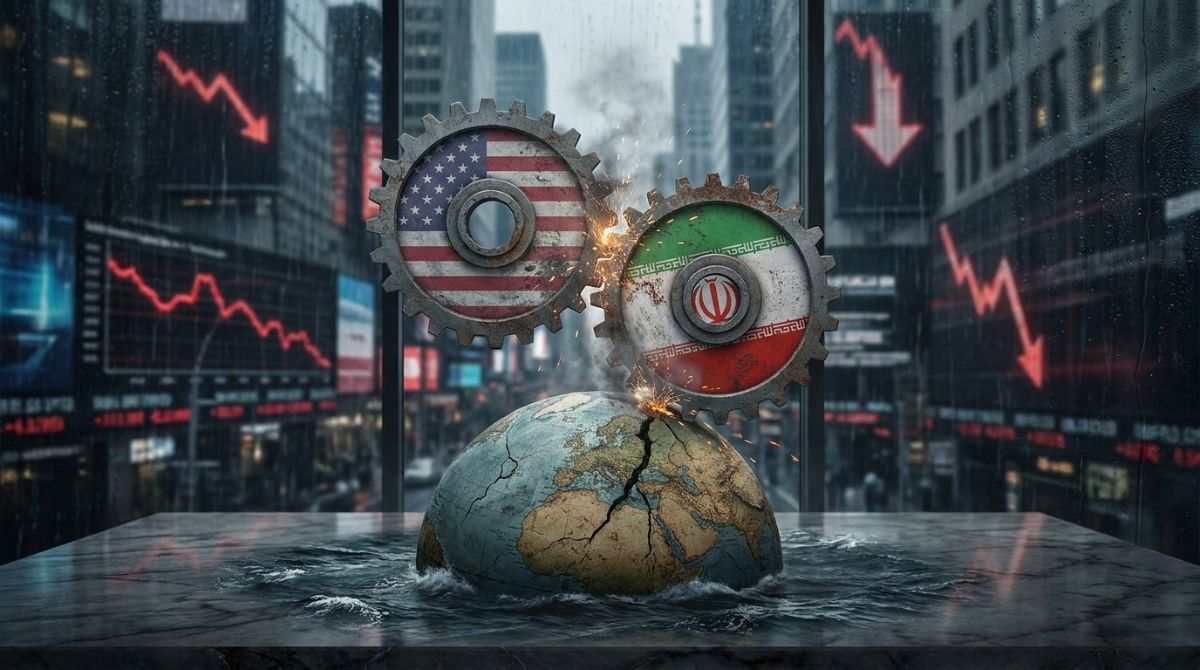
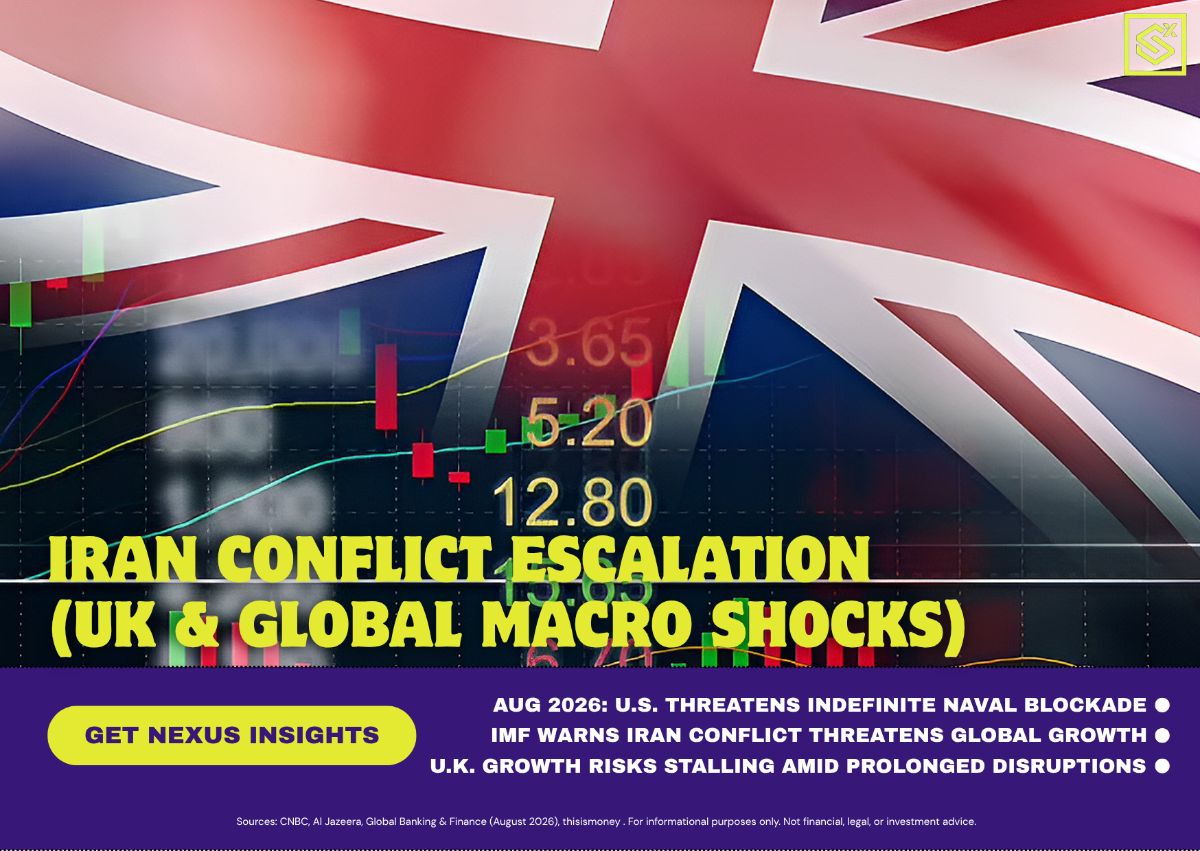
Recent data from SaPEX NEXUS's Geo Risk AI model assigns a 65 percent probability to critical military conflict risks involving Iran threatening global economic growth and placing added pressure on the United Kingdom outlook. While the United Kingdom economy recently experienced a temporary boost driven by hot weather and the World Cup, analytical models indicate challenging months ahead as international risks escalate. The primary concern centers on how potential conflict involving Iran could disrupt international trade, energy supplies, and broader economic stability across interconnected global markets.
This risk assessment explicitly highlights several critical sectors that face elevated exposure, including Oil and Energy, Shipping, Defense, Financial Services, Manufacturing, and Airlines. When geopolitical tensions escalate in key production and transit zones, the immediate transmission mechanism to the real economy operates through energy price volatility and supply chain friction. SaPEX NEXUS tracking models indicate that market participants must evaluate both short-term market reactions and multi-year structural adjustments when positioning across these key industries.
Understanding probability scores in quantitative risk modeling requires context. A 65 percent probability figure from SaPEX NEXUS systems reflects a substantial likelihood of material market disruption rather than a guaranteed outcome. In historical context, geopolitical risk events rated at a critical severity level generally induce rapid re-pricing across energy markets, safe-haven assets, and equities, as investors scramble to hedge against tail risk and potential supply bottlenecks.
Immediate and Three-Month Market Dynamics
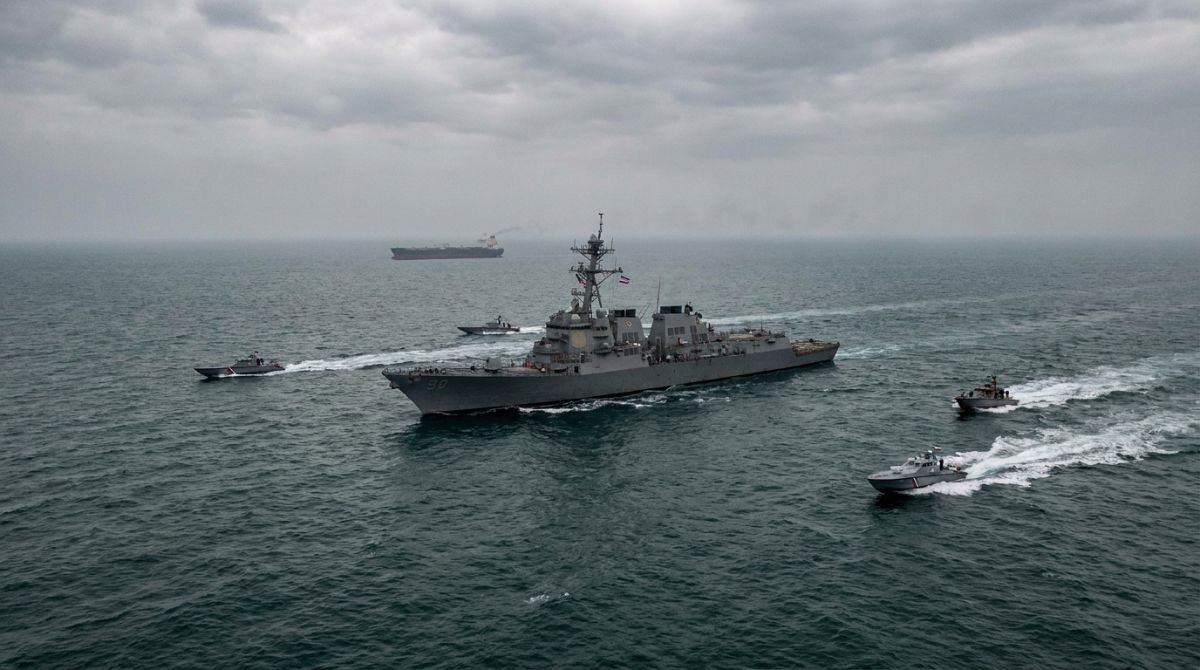
In the initial three-month window, SaPEX NEXUS predictive analytics project immediate and sharp increases in global oil prices accompanied by heightened market volatility. Middle Eastern supply disruptions directly threaten key shipping lanes, most notably the Strait of Hormuz, through which a significant portion of the world petroleum supply flows. Initial supply chain disruptions would begin to manifest rapidly under this scenario, generating early inflationary pressures and dampening consumer and business confidence.
As oil prices surge, energy-intensive sectors face direct margin compression, while consumer discretionary spending contracts due to rising fuel and utility expenses. According to SaPEX NEXUS market monitoring systems, equity markets would likely experience significant downturns during this phase, driven by escalating geopolitical uncertainty, growing recession fears, and downward revisions to corporate earnings expectations. Risk assets typically sell off sharply during the initial stages of geopolitical shock as capital reallocates toward capital preservation strategies.
Simultaneously, safe-haven assets demonstrate strong performance during periods of elevated threat. Data from SaPEX NEXUS risk tracking indicates that gold and the United States dollar would strengthen considerably as market participants seek liquidity and defensive holdings. Conversely, riskier currencies and emerging market assets would experience notable weakening as global risk appetite contracts and capital flows back toward core reserve assets.
Six-Month Outlook and Broader Economic Trajectory
Looking forward to the six-month horizon, sustained high energy costs and persistent supply chain bottlenecks are projected by SaPEX NEXUS forecasting models to trigger a broader global economic slowdown or a mild recession. The cumulative impact of elevated input costs exerts continuous pressure on manufacturing and distribution networks, making it difficult for businesses to maintain operating margins without passing price increases along to end consumers.
Corporate earnings across multiple non-energy sectors would suffer negative impacts as demand weakens and cost structures inflate. Industries such as Airlines and Manufacturing face compound pressures from elevated fuel costs and supply delays, forcing operational reductions or price hikes that further suppress consumer demand. Financial Services firms also face heightened credit risk and reduced deal activity in a high-volatility, slowing-growth environment.
As corporate performance deteriorates over this six-month period, broader macroeconomic indicators begin to reflect structural strain. SaPEX NEXUS economic tracking highlights that unemployment rates could begin to rise across major economies as businesses cut capital expenditure and reduce workforce costs to protect profitability. This dynamic creates a feedback loop where falling employment further depresses household consumption and economic momentum.
Twelve-Month Consequences and Prolonged Strains
If military conflict or its lingering aftermath extends to a twelve-month duration, SaPEX NEXUS models project that inflation would become deeply entrenched across global economies. Sustained energy price shocks combined with entrenched supply chain friction make central bank policy decisions exceptionally challenging, as traditional monetary tightening may prove less effective against supply-driven inflationary pressures.
Under a prolonged twelve-month timeline, the risk of a deeper and more widespread global recession increases significantly. The United Kingdom economy, having already exhausted temporary growth drivers like summer seasonal spending and major sporting events, would face severe headwinds from persistent global stagflationary pressures. Corporate distress rates could rise as high borrowing costs and weak consumer demand persist simultaneously.
Beyond immediate macroeconomic indicators, a year-long conflict reshapes fiscal priorities for national governments worldwide. SaPEX NEXUS analytical frameworks indicate that geopolitical realignments and increased defense spending would become prominent features of the international landscape, diverting public resources toward national security infrastructure and away from non-defense investment priorities.
Long-Term Structural Realignments in Global Markets
Over the long term, a protracted conflict involving Iran would fundamentally reshape global energy markets and permanently alter key trade routes. SaPEX NEXUS long-term risk assessments suggest that the vulnerability of traditional Middle Eastern maritime corridors would compel nations and corporations to restructure their supply chains, accelerating a transition away from single-source supply dependencies and vulnerable transit bottlenecks like the Strait of Hormuz.
This long-term shift would likely accelerate the global drive toward energy independence and the regionalization of critical supply chains. Nations would prioritize energy security through accelerated renewable deployment, expanded domestic production, and strategic bilateral trade agreements designed to insulate domestic economies from future geopolitical shocks in volatile regions.
For market participants and traders, these long-term structural changes mean that historical asset correlations and supply chain assumptions may no longer apply. Managing portfolio exposure in an era of heightened geopolitical fragmentation requires continuous evaluation of risk metrics, sector rotation strategies, and careful monitoring of data points provided by SaPEX NEXUS predictive models.
1. SaPEX NEXUS Research Team. Internal analysis compiled Aug 14, 2026.
2. See our Methodology and Risk Disclosure pages for more on how these figures are derived. This article is for informational purposes only and does not constitute financial, legal, or investment advice.