Egypt Warns Against Gaza Displacement as Geopolitical Risk Rises

Geopolitical Warnings and Regional Escalation Risk
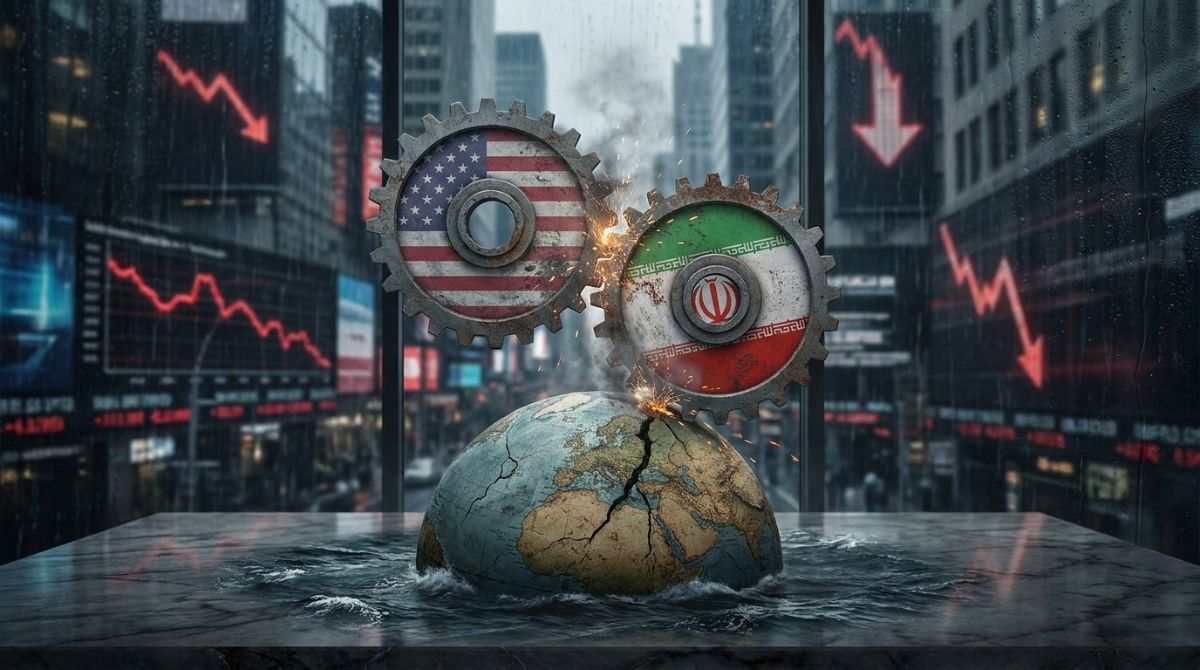
Egyptian Foreign Minister Badr Abdelatty has issued a clear warning regarding reported plans to displace Palestinians from the Gaza Strip. Cairo views any forced displacement as a red line for Arab and Muslim nations, pledging to oppose such efforts with full force. The platform's internal evaluation system, SaPEX NEXUS's Geo Risk AI model, currently assigns a sixty-five percent probability score to this geopolitical risk scenario. If displacement efforts proceed, the likelihood of direct diplomatic rupture and potential military escalation across the Middle East increases significantly.
Geopolitical risk metrics of this nature serve as key inputs for multi-asset trading strategies. When a major regional power declares an explicit red line, financial markets historically reprice risk across multiple asset classes well before kinetic conflict occurs. In this instance, the diplomatic stance taken by Egypt directly intersects with international transit corridors and energy networks. As market participants process these diplomatic signals, immediate concern shifts toward potential broader regional instability involving sovereign states and non-state actors.
Understanding how probability scores are constructed within predictive analytics models helps clarify what this metric signifies. A sixty-five percent risk rating reflects elevated systemic friction where diplomatic channels face severe strain. Financial markets typically treat probability thresholds above sixty percent as catalysts for active hedging rather than speculative positioning. Consequently, institutional capital frequently reallocates toward defensive postures, building buffer inventory in key commodities and expanding protective options coverage on equity indices.
Energy Markets and Transportation Vulnerabilities
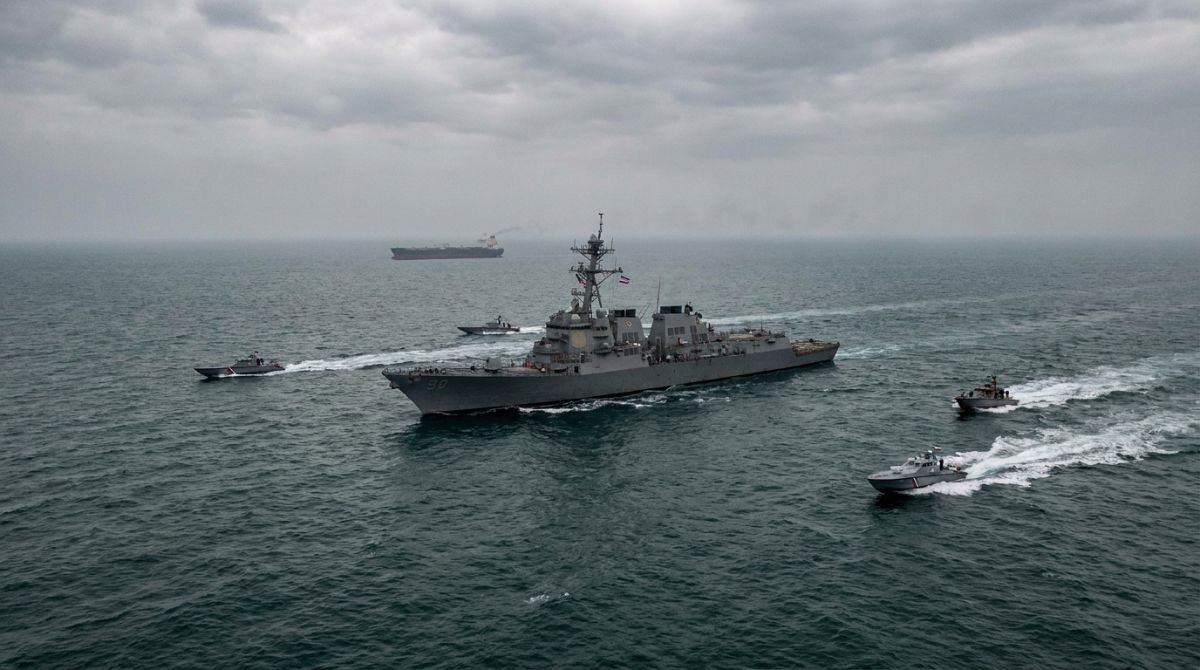
The potential escalation stemming from displacement concerns directly threatens vital energy supply chains and maritime transit infrastructure. The internal risk assessment from SaPEX NEXUS identifies Oil and Energy alongside Shipping, Defense, Humanitarian Aid, and Tourism as primary sectors exposed to immediate disruption. The Middle East remains a critical energy-producing region, and friction involving key regional powers introduces immediate supply concerns. Oil prices typically surge as traders rapidly price in bottlenecks along critical transit routes such as the Suez Canal and the Red Sea corridor.
When geopolitical friction escalates near major maritime choke points, the immediate economic response involves rising shipping insurance premiums, altered itineraries, and delayed cargo deliveries. Disruptions near the Suez Canal force vessels to navigate longer alternative paths around the African continent, significantly increasing fuel consumption, transit times, and operational costs. These logistical complications feed directly into benchmark crude oil prices as well as refined petroleum products like diesel and jet fuel.
Energy market mechanics demonstrate that commodity price spikes driven by geopolitical instability often operate independently of standard physical supply balances. Speculative risk premiums accumulate rapidly as commercial traders seek to secure delivery contracts against potential future shortfalls. Should the political situation deteriorate further, sustained surges in energy prices would filter directly into global inflationary pressures, complicating central bank monetary policy decisions across major developed economies.
Capital Flows and Safe Haven Migration
As geopolitical risk intensifies, international capital allocation patterns undergo a fundamental shift driven by risk aversion. Per the Prediction Arena tracker, heightened geopolitical tensions consistently precipitate a classic flight to safety across global financial markets. Under these conditions, investors systematically exit high-beta assets and emerging market equities, seeking refuge in established safe-haven instruments. Global equities face widespread downward pressure, with sectors most vulnerable to geopolitical instability bearing the brunt of sell-offs.
Safe-haven assets historically experience robust capital inflows during periods of critical geopolitical stress. Primary reserve currencies such as the United States Dollar and the Japanese Yen typically appreciate as international market participants seek liquidity. Simultaneously, physical gold and precious metal derivatives attract substantial investment flows as traditional stores of value that operate independently of sovereign credit risk. These cross-asset flows generate notable divergence across currency pairs and commodity indexes, creating both risk management challenges and tactical trading opportunities.
Emerging market assets are particularly susceptible to capital outflows during Middle Eastern crises. Foreign portfolio investors routinely scale back exposure to emerging market debt and equity securities to reduce overall portfolio volatility. This capital flight can lead to currency depreciation, higher domestic borrowing costs, and tightened financial conditions for developing economies, even those far outside the immediate geographic zone of conflict. Consequently, cross-asset correlations increase significantly, reducing diversification benefits across global portfolios.
Horizon Forecasting and Medium Term Dynamics
Evaluating the systemic impact of this geopolitical data point requires analyzing potential developments across distinct time horizons. Over a three-month horizon, internal projections from SaPEX NEXUS anticipate sustained regional diplomatic pressure alongside elevated energy prices and heightened market volatility. The deepening humanitarian crisis in the region continues to generate international diplomatic friction, ensuring that geopolitical risk remains at the forefront of market consciousness. Short-term market dynamics during this window are likely to be characterized by sharp, news-driven price swings.
Extending the analytical framework to a six-month outlook reveals potential for sustained geopolitical instability and broader regional conflict. Over this medium term, continuous disruption to global trade routes risks establishing a higher structural baseline for commodity prices. Businesses dependent on international shipping and raw material imports face persistent margin pressure, while global supply chains adapt to long-term rerouting and elevated logistics expenses. This environment prolongs market uncertainty, discouraging corporate investment across impacted sectors.
Looking out to a twelve-month horizon and beyond, potential consequences shift toward fundamental regional realignments and structural economic shifts. Prolonged low-intensity conflict and realigned international alliances can permanently alter global supply chains and cross-border investment flows. SaPEX NEXUS models suggest that long-term outcomes may involve a more fragmented global economic order, characterized by sustained higher geopolitical risk premiums embedded into asset valuations worldwide. Strategic investors must therefore adjust long-term valuation models to account for persistent geopolitical friction.
Strategic Risk Management for Traders
Navigating an environment characterized by elevated geopolitical risk requires a structured, multi-asset risk management approach. Traders and portfolio managers must evaluate direct and indirect exposures across energy commodities, foreign exchange markets, and equity sectors. Because geopolitical events often unfold rapidly and unpredictably, relying solely on traditional directional trading strategies can expose portfolios to severe gap risk during non-market hours or sudden policy announcements.
Implementing effective risk mitigation strategies involves utilizing derivative instruments to hedge downside exposure while maintaining portfolio flexibility. Options strategies, such as purchasing index puts or holding long volatility positions, can provide essential protection against sharp market downturns. In commodity markets, establishing call options on crude oil or maintaining allocations to precious metals can offset inflationary and supply-related shocks in equity holdings. Additionally, monitoring liquidity conditions in currency markets remains crucial, as rapid shifts in capital flows can create wide bid-ask spreads during peak uncertainty.
Ultimately, interpreting probability scores and analytical indicators from platform monitoring tools like SaPEX NEXUS enables traders to separate systemic market noise from genuine structural shifts. By understanding the transmission channels through which geopolitical warnings translate into asset price movements, market participants can construct resilient portfolios capable of enduring prolonged periods of international tension. Adopting a proactive risk framework ensures that capital remains protected while strategic opportunities are identified across evolving market cycles.
1. SaPEX NEXUS Research Team. Internal analysis compiled Aug 10, 2026.
2. See our Methodology and Risk Disclosure pages for more on how these figures are derived. This article is for informational purposes only and does not constitute financial, legal, or investment advice.