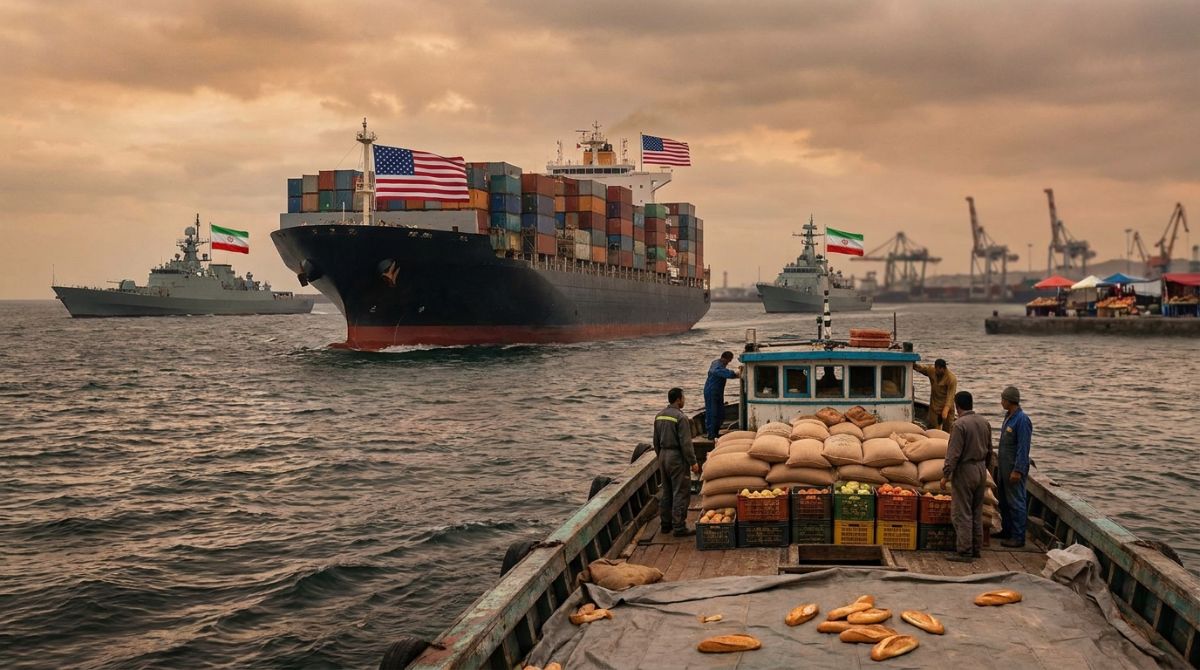
Yemen War Escalation Risk Rises as Symmetrical Drone Warfare Threatens Oil Infrastructure

Symmetrical Drone Warfare in the Yemen Conflict
Data published today, August 15, 2026, by SaPEX NEXUS's Geo Risk AI model indicates a 75 percent probability that the ongoing conflict in Yemen will transition into a phase of symmetrical advanced drone warfare between Houthi forces and Saudi Arabia. Historically, unmanned aerial vehicles served primarily as an asymmetric tool utilized by non-state or insurgent actors to project force against conventional state military structures. The latest assessment from the Prediction Arena tracker shows that this asymmetry has effectively closed, as both parties now deploy comparable offensive and defensive drone systems across the operational theater.
The strategic balance in the region is shifting away from traditional air superiority toward dense, low-altitude aerial conflict. Houthi forces have demonstrated a sustained capacity for long-range strike operations using uncrewed systems, while Saudi Arabia has integrated both advanced counter-unmanned aerial systems and offensive drone capabilities into its regional force structure. This alignment of technological capabilities removes the tactical buffer that previously constrained large-scale reciprocal strikes, creating a volatile operational environment where military engagements can rapidly escalate across state borders.
Market participants evaluating high-severity proxy war indicators must consider how symmetrical drone capabilities alter conventional defense economics. Traditional air defense interceptors often carry a significant cost mismatch relative to incoming low-cost uncrewed aerial vehicles. However, as defensive architecture incorporates localized electronic warfare, directed energy, and kinetic drone interceptors, the operational threshold for launching sustained saturation attacks changes. The convergence of these technological factors underpins the high probability score assigned by platform algorithms today.
Key Regional Actors and Tactical Targets
According to records logged in the Prediction Arena tracker, the escalating dynamic involves multiple regional and international entities, including Houthi forces, Saudi Arabia, Iran, the United Arab Emirates, and the United States. The primary targets identified within this high-severity risk framework include Saudi oil infrastructure, Houthi command centers, and critical commercial shipping corridors along the Red Sea. Each actor brings distinct strategic motives and operational dependencies to the theater, compounding the broader systemic risk to global energy transit.
The strategic intent driving Houthi military actions centers on applying direct pressure to Saudi Arabian economic nodes, disrupting crude oil exports, and extracting political concessions. Conversely, Saudi military objectives focus on degrading Houthi operational command centers, securing sovereign land borders, and reasserting regional security stability. The presence of international actors, including United States naval assets deployed to protect commercial shipping, introduces additional vectors for accidental escalation or direct engagement across maritime trade corridors.
Targeting patterns in modern proxy conflicts reflect a deliberate focus on high-value, economic infrastructure. Energy processing facilities, export terminals, and coastal logistics nodes present static targets that require continuous, dense air defense coverage. When combatants possess symmetrical aerial strike assets, the defense perimeter must expand significantly, stretching resources across vast geographical areas and increasing the overall vulnerability of secondary critical infrastructure assets.
Oil Market Volatility and Infrastructure Vulnerabilities
Energy commodity markets typically respond to geo-political escalation based on immediate supply disruption risks and long-term security premiums. Data from the SaPEX NEXUS analytics suite highlights that a high probability of localized drone warfare direct against energy production sites introduces substantial physical risk to crude oil production and transport. Even in the absence of an immediate structural supply loss, the continuous threat of infrastructure strikes forces market participants to price in higher baseline geopolitical volatility.
When risk models register escalating potential for strikes on processing facilities, crude oil futures markets reflect this uncertainty through expanded bid-ask spreads and sudden price re-alignments. Critical processing centers serve as major bottlenecks in global supply chains; localized damage to pumps, storage tanks, or refining units can take months to repair due to specialized engineering requirements. Consequently, physical traders adjust inventory buffers and hedging strategies well in advance of actual physical disruptions.
Beyond raw production metrics, regional energy security relies heavily on export terminals situated along vulnerable maritime routes. Supply chain managers monitoring the 75 percent probability marker must account for potential operational pauses, emergency shut-ins, or precautionary rerouting of crude shipments. The structural vulnerability of energy infrastructure means that localized military developments retain an outsized influence over international energy benchmark pricing.
Maritime Security and Red Sea Shipping Disruptions
Commercial maritime operations through the Red Sea represent a primary arterial route for global trade, connecting Asian manufacturing hubs with European and North American consumer markets. The Prediction Arena tracker notes that escalating drone deployments pose direct threats to commercial vessels operating along these narrow sea lanes. As uncrewed surface and aerial systems become standard tools of regional power projection, maritime transit corridors face persistent kinetic hazards.
Increased threat levels within maritime zones directly translate into elevated operational expenses for commercial shipping lines. Marine underwriters adjust war risk insurance premiums dynamically based on empirical threat assessments and regional event triggers. When maritime transit risk rises, vessel operators face steep increases in coverage costs, mandatory speed adjustments, and additional security compliance requirements, all of which inflate total spot freight rates across affected global trade routes.
In response to sustained hazards, shipping companies frequently opt to reroute commercial vessels around the Cape of Good Hope, adding significant transit days and fuel consumption to standard maritime journeys. This operational shift reduces effective global fleet capacity and creates backlogs at major container ports worldwide. The broader economic impact extends beyond immediate transit costs, driving up input prices for international manufacturing supply chains and delaying finished product deliveries.
Strategic Objectives and Future Escalation Timeline
The strategic timeline established by SaPEX NEXUS's Geo Risk AI model projects an active conflict window with severe escalation potential developing within a 6 to 18 month timeframe. This multi-month horizon reflects the structural ramp-up required for both state and non-state actors to stockpile specialized material, fortify defense systems, and align broader geopolitical alliances. The risk profile is not characterized as a singular isolated event, but rather as an evolving, sustained campaign of operational friction.
Over this extended timeline, both Houthi forces and the Saudi-led coalition are expected to leverage their symmetrical aerial capabilities to establish leverage ahead of potential diplomatic negotiations. Non-state entities often utilize long-range strike capabilities to demonstrate operational endurance and raise the economic cost of military involvement for state actors. Meanwhile, state entities focus on long-term interdiction of supply lines and strategic command structures to diminish adversary operational capabilities.
Traders and risk analysts tracking this 6 to 18 month escalation horizon must maintain a long-term analytical perspective rather than relying on short-term market reactions. As drone technologies continue to proliferate and evolve symmetrically, the operational dynamics in Yemen present a persistent baseline risk for global commodities, maritime logistics, and regional economic stability. Tracking system outputs over this window remains essential for anticipating broader macroeconomic disruptions.
1. SaPEX NEXUS Secret Intelligence Analysis Engine. Internal analysis compiled Aug 15, 2026.
2. See our Methodology and Risk Disclosure pages for more on how these figures are derived. This article is for informational purposes only and does not constitute financial, legal, or investment advice.