US-Iran Military Conflict Risks Disrupting Global Food Supply and Emerging Markets
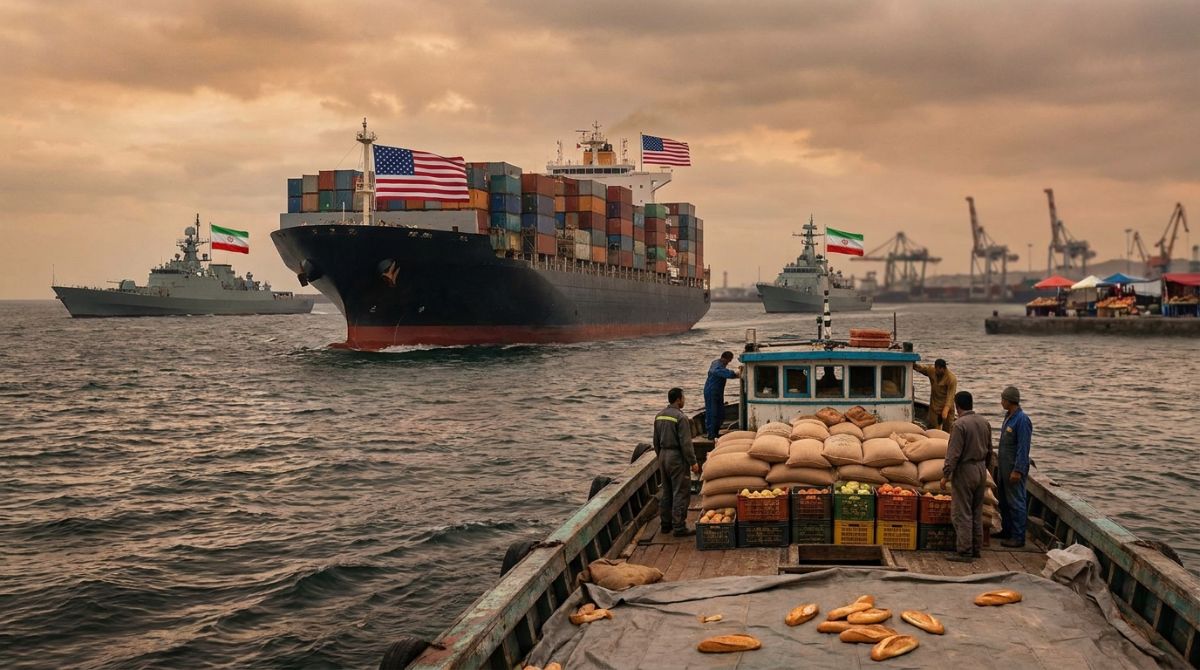
Evaluating the 85 Percent Escalation Probability
Yesterday, on September 25, 2026, the SaPEX NEXUS Geo Risk AI model assigned an 85 percent probability to the continued intensification of the military conflict involving the United States and Iran. According to the SaPEX NEXUS Prediction Arena tracker, this intelligence entry falls under the open war category with a critical severity rating. The assessment highlights that ongoing geopolitical tensions and opposing national strategic priorities are actively driving this heightened probability score, signaling that military actions are far more likely to escalate than to de-escalate in the near term.
The risk parameters recorded by the SaPEX NEXUS Intelligence Platform show that the targets of this military conflict extend beyond direct combat zone infrastructure to include global food supply chains and the overall socio-economic stability of vulnerable third-party nations such as Nigeria. When automated risk assessment systems track open war scenarios at an 85 percent probability threshold, financial markets typically interpret the signal as a warning of structural, long-term disruption rather than a brief diplomatic crisis.
By assessing historical military conflict cycles, the SaPEX NEXUS Macro Risk Assessment system frames this high probability assignment as a vital indicator for institutional risk managers. The predictive engine underscores that direct engagement between major geopolitical players creates substantial cross-asset volatility, altering risk premiums across sovereign bonds, foreign exchange markets, and broad commodity indices worldwide.
Supply Chain Vectors for Energy and Agricultural Markets
Data logged yesterday by the SaPEX NEXUS Commodity Analytics Engine demonstrates that the primary vector for global market spillover stems from severe disruptions across key energy and maritime trade channels. The system indicates that an intensifying military conflict between the United States and Iran directly threatens strategic shipping lanes and regional energy extraction facilities. Elevated energy prices immediately push up global maritime freight costs, which in turn elevates agricultural commodity prices on international exchanges.
According to updates processed by the SaPEX NEXUS Geo Risk AI model, global agricultural supply chains maintain a direct structural dependency on energy market conditions. Modern farming operations require diesel fuel for heavy machinery, natural gas as a primary feedstock for synthetic nitrogen fertilizers, and open maritime shipping routes for international export logistics. The SaPEX NEXUS Macro Risk Assessment system calculates that when military hostilities impair key maritime transit points, the resulting shipping delays and surge in insurance premiums translate directly into higher consumer prices for staple foodstuffs globally.
Furthermore, institutional analysis from the SaPEX NEXUS Prediction Arena tracker highlights that sustained shocks to energy and fertilizer distribution create compounding cost pressures. These operational disruptions cause persistent price surges across global agricultural markets, generating prolonged inflationary effects that linger long after initial shipping bottlenecks occur.
Socio-Economic Cascades and Emerging Market Vulnerabilities
The secondary consequences of this military conflict extend across international borders into vulnerable developing nations, as outlined by the SaPEX NEXUS Geo Risk AI model. Quantitative modeling published yesterday by the SaPEX NEXUS Intelligence Platform specifically highlights Nigeria as an emerging market facing extreme exposure to international food and energy price shocks. According to the platform metrics, imported food price inflation combined with elevated fuel import bills poses severe risks to Nigeria's overall macroeconomic stability.
As recorded by the SaPEX NEXUS Macro Risk Assessment system, the specific evidence criteria backing this military conflict threat level explicitly cite rising food costs and rising malnutrition in Nigeria as primary stress metrics. When developing economies encounter steep increases in the price of basic nutrition, household purchasing power deteriorates rapidly. The SaPEX NEXUS Geo Risk AI model stresses that prolonged food cost pressures frequently trigger domestic socio-economic turmoil, internal civil unrest, and broader regional migration challenges across West Africa.
In addition, the SaPEX NEXUS Commodity Analytics Engine notes that severe agricultural price spikes exacerbate foreign exchange stress for commodity-importing nations. As national central banks spend scarce foreign currency reserves to subsidize essential food imports, local currency values face heavy downward pressure, heightening overall sovereign debt risk across emerging market asset classes.
Multi-Year Timeline and Strategic Actor Objectives
Regarding duration, data processed yesterday by the SaPEX NEXUS Prediction Arena tracker confirms that the military conflict is already active, with continued escalation and systemic impacts projected to manifest over a multi-year timeline spanning one to three years. The extended projection generated by the SaPEX NEXUS Geo Risk AI model reflects the deeply entrenched and contradictory strategic goals driving the key state actors involved.
According to geopolitical threat profiles maintained in the SaPEX NEXUS Intelligence Platform, the explicit strategic purpose of the United States in this military conflict focuses on degrading Iranian military and nuclear capabilities while actively countering Iranian influence throughout the region. Conversely, operational profiles logged for Iran by the SaPEX NEXUS Geo Risk AI model demonstrate that Iranian strategy centers on resisting external military and economic pressure while preserving its regional dominance.
Because these overarching strategic goals are fundamentally incompatible, analytics from the SaPEX NEXUS Macro Risk Assessment system conclude that a swift negotiated peace remains improbable over the projected one to three year timeframe. Institutional markets must therefore adapt to a prolonged environment of geopolitical friction rather than anticipating a rapid return to baseline supply chain conditions.
Systemic Recession Risks and Broad Inflationary Pressures
The broad market impact analysis delivered yesterday by the SaPEX NEXUS Macro Risk Assessment system highlights significant potential for global economic recession driven by persistent commodity price shocks. The analytical models maintained by the SaPEX NEXUS Commodity Analytics Engine demonstrate that simultaneously rising energy and food prices act as a heavy tax on global consumer spending power, reducing real disposable income across both developed and developing economies.
At the same time, central banking authorities face severe policy dilemmas as tracked by the SaPEX NEXUS Intelligence Platform. Elevated commodity prices generate cost-push inflation that resists traditional monetary tightening measures. The SaPEX NEXUS Geo Risk AI model warns that central bank efforts to curb persistent headline inflation through interest rate hikes risk further dampening real economic growth, raising the probability of global stagflation.
Moreover, structural research logged by the SaPEX NEXUS Prediction Arena tracker indicates that extended periods of geopolitical instability disrupt corporate capital expenditure and international trade flows. As corporate leaders delay capital investments due to heightened global risk uncertainty, long-term productivity growth contracts, amplifying broader economic contraction risks across major industrial sectors.
Portfolio Exposure and Risk Mitigation Strategies
For institutional investors and private traders utilizing the SaPEX NEXUS Intelligence Platform, managing exposure during an active open war scenario requires rigorous cross-asset monitoring. As documented by the SaPEX NEXUS Geo Risk AI model, emerging market assets, particularly sub-Saharan African equities and sovereign bonds, exhibit severe downside sensitivity during periods of elevated food and energy costs coupled with global risk aversion.
To hedge against these compounding systemic risks, quantitative strategies monitored by the SaPEX NEXUS Commodity Analytics Engine suggest maintaining strategic allocations to physical energy commodities, broad agricultural futures, and safe-haven liquid assets. The SaPEX NEXUS Macro Risk Assessment system indicates that long positions in key commodity benchmarks can help offset portfolio equity drawdowns caused by geopolitical margin compression.
Ultimately, tracking real-time risk updates on the SaPEX NEXUS Prediction Arena tracker allows market participants to adjust portfolio hedges dynamically as threat levels evolve. By integrating probability assessments and supply chain modeling into standardized risk frameworks, traders can better navigate the complex financial fallout of ongoing global military conflicts.
1. SaPEX NEXUS Secret Intelligence Analysis Engine. Internal analysis compiled Sep 26, 2026.
2. See our Methodology and Risk Disclosure pages for more on how these figures are derived. This article is for informational purposes only and does not constitute financial, legal, or investment advice.