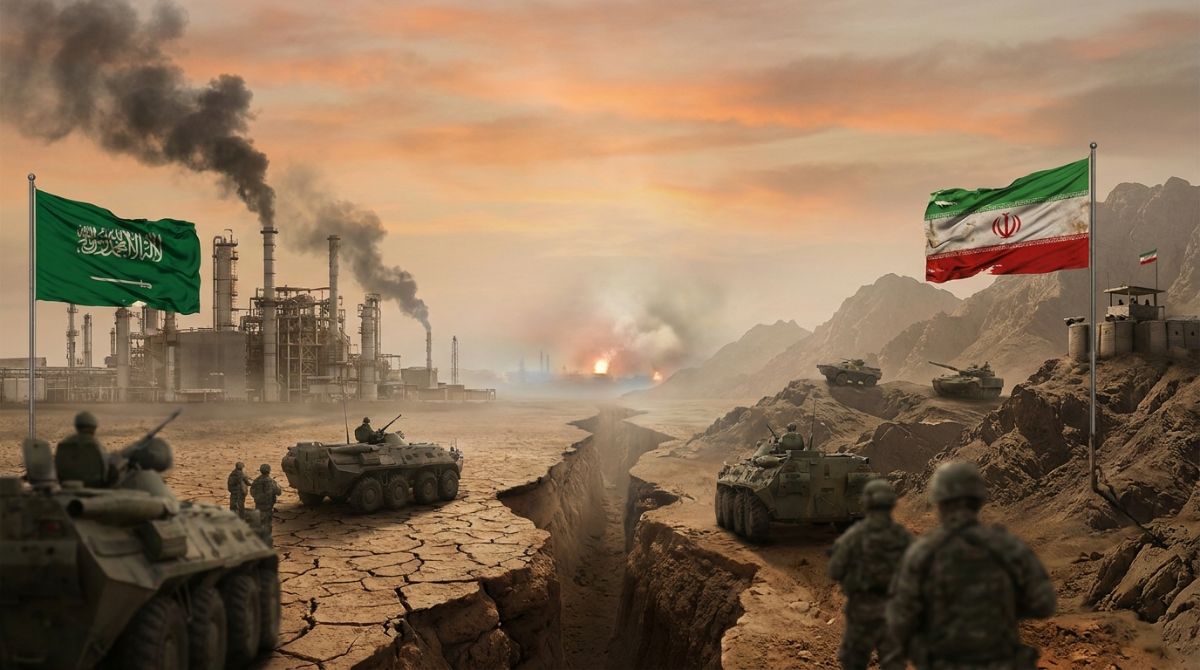
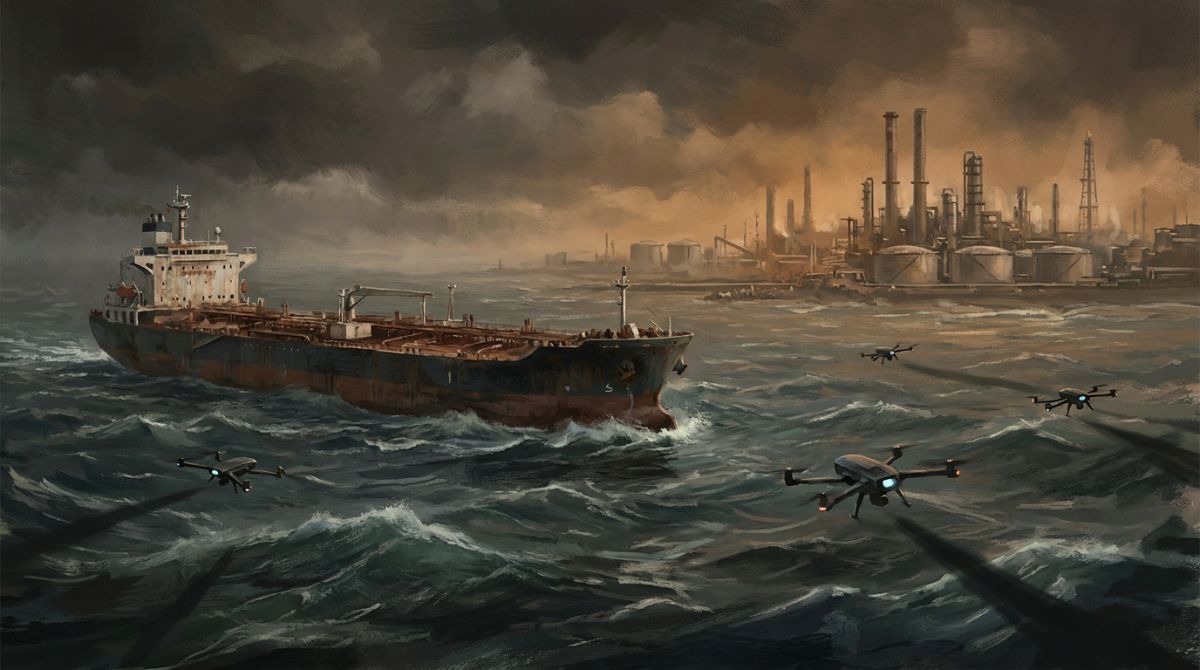
Regional Powers Target Houthi Maritime Assets in Escalating Covert Strategy
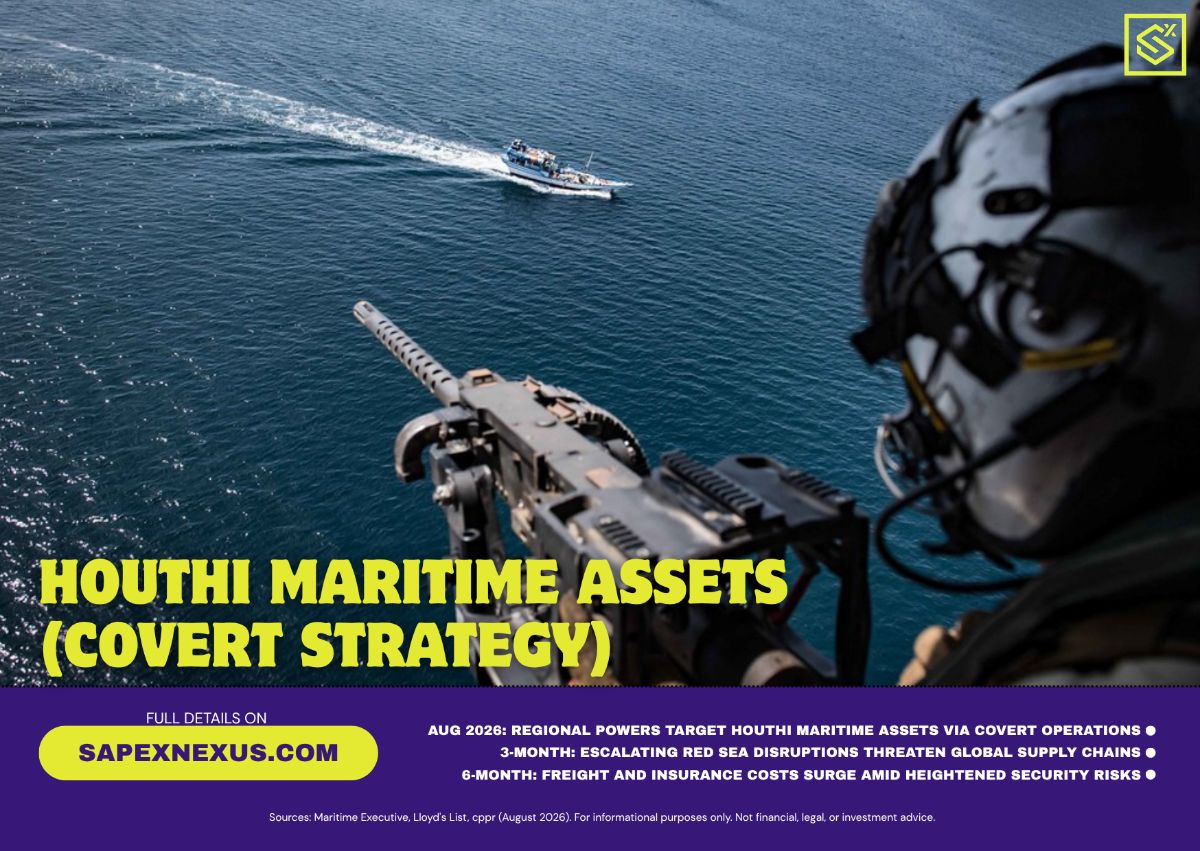
Escalating Threats to Red Sea Maritime Trade
Yesterday, on August 21, 2026, the SaPEX NEXUS Geo Risk AI system recorded a critical update regarding maritime security in the Red Sea region. The forced closure of the al-Makha port has highlighted the persistent and severe threat posed by Houthi forces to vital international commercial shipping corridors. According to data processed by the SaPEX NEXUS Risk Assessment System, this strategic port disruption represents a notable escalation in localized maritime risk, directly impacting global commercial trade flows and logistics operations across the broader region.
The unexpected closure of al-Makha port emphasizes the profound structural vulnerability of commercial shipping passing through the Bab el-Mandeb Strait and adjacent maritime zones. Per the SaPEX NEXUS Intelligence Tracker, the active threat environment in these crucial commercial waters remains classified at a High severity level. The sustained disruption of commercial navigation along these primary trade routes forces maritime transport operators to consider alternative, much longer transit routes around the African continent, which dramatically increases operational expenses, fuel consumption, and delivery schedules for international commercial supply chains.
Historical pattern analysis evaluated by the SaPEX NEXUS Predictive Analytics Engine indicates that persistent disruptions to key global trade choke points inevitably trigger structured state-level military and intelligence responses. The combination of direct kinetic attacks on commercial vessels and critical infrastructure closures like al-Makha forces regional powers and international allies to formulate specialized, high-stakes countermeasures designed to re-establish navigational security, stabilize commercial shipping lanes, and restore normal maritime commerce across the region.
Intelligence Analysis and Regional Actors
Data updated yesterday by the SaPEX NEXUS Geo Risk AI model calculates an 80 percent probability that regional powers will intensify covert operations specifically targeting Houthi maritime capabilities. According to the SaPEX NEXUS Intelligence Tracker, the primary regional actors expected to plan and execute these covert initiatives include Saudi Arabia and the United Arab Emirates. Both sovereign nations maintain direct, existential national security interests in stabilizing adjacent sea lines of communication and preventing persistent hostile interdiction of global trade.
In addition to primary regional state actors, the SaPEX NEXUS Prediction Engine notes that these targeted covert actions are highly likely to receive direct or indirect operational and intelligence backing from major Western allies, specifically intelligence entities from the United States and the United Kingdom. According to detailed risk analysis from the SaPEX NEXUS Risk Assessment System, Western involvement is anticipated to center primarily on high-level intelligence sharing, tactical surveillance, cyber capabilities, and strategic logistical support to maximize the effectiveness of targeted regional interventions.
This strategic intelligence assessment highlights a clear tactical pivot away from conventional, high-visibility military engagements toward discreet, highly targeted covert operations. Per the SaPEX NEXUS Geo Risk AI model, covert methodology allows participating state actors to precision-target critical hostile assets while systematically managing broader geopolitical escalation risks. By emphasizing non-attributed or highly contained covert measures, state intelligence apparatuses aim to systematically degrade hostile operational capacity without triggering widespread regional war or broader economic destabilization.
Strategic Targets and Operational Timelines
According to specific intelligence breakdowns provided by the SaPEX NEXUS Geo Risk AI model, these planned covert operations will focus heavily on four core operational categories. The primary strategic targets identified by the SaPEX NEXUS Intelligence Tracker include senior Houthi leadership figures, vital command and control centers, specialized maritime attack assets, and key logistical supply lines that directly facilitate missile and uncrewed surface vessel deployments.
The primary tactical objective behind targeting specialized maritime attack assets, as detailed by the SaPEX NEXUS Risk Assessment System, is to neutralize coastal anti-ship missile sites, explosive-laden autonomous sea drones, and coastal radar installations. Per operational data logged in the SaPEX NEXUS Prediction Engine, systematically interrupting supply lines and organizational command structures aims to dismantle the overall logistical infrastructure that enables hostile forces to execute sustained, high-impact operations against passing commercial vessels in international waters.
Regarding the expected operational timeline, the SaPEX NEXUS Intelligence Tracker indicates that while localized low-intensity covert activities are already active, a major operational escalation is projected to unfold within a 6 to 18 month timeframe. Technical analysis from the SaPEX NEXUS Geo Risk AI system emphasizes that this extended operational window reflects the intricate preparation, multi-agency coordination, intelligence gathering, and precision targeting required to successfully execute high-stakes covert operations against well-entrenched coastal military targets.
Economic Ripple Effects and Freight Volatility
The prospective escalation of covert operations and prolonged instability across Red Sea trade routes carry far-reaching financial consequences across multiple global asset classes. According to market assessment models from the SaPEX NEXUS Market Analytics platform, primary economic impacts stemming from these events include sharply elevated ocean freight rates, increased maritime war risk insurance premiums, heightened energy market price volatility, and severe stress across global supply chains.
Commercial shipping operators navigating through high-risk maritime zones must secure specialized war risk insurance coverage at drastically inflated rates. Per quantitative risk data compiled by the SaPEX NEXUS Risk Assessment System, these elevated insurance premiums, combined with the significant bunker fuel costs incurred by rerouting vessels around the Cape of Good Hope, substantially drive up spot container freight rates and bulk tanker transport costs. These added logistics expenditures are ultimately absorbed by global importers and passed down to end consumers in the form of higher retail prices.
Global energy markets also demonstrate intense sensitivity to maritime security developments occurring near major oil transit corridors. According to data tracked by the SaPEX NEXUS Geo Risk AI system, potential physical disruptions or threats to oil tankers transiting the Red Sea contribute directly to elevated price volatility in crude oil and refined petroleum benchmarks. Market participants monitoring these developments through the SaPEX NEXUS Prediction Engine must factor in persistent risk premiums and short-term price spikes whenever security incidents affect major maritime choke points.
Risk Mitigation and Outlook for Market Participants
The explicit strategic purpose behind these anticipated covert interventions, as categorized by the SaPEX NEXUS Intelligence Tracker, is to neutralize the ongoing Houthi maritime threat, secure crucial Red Sea shipping lanes, reduce hostile regional power projection, and protect broader regional and global economic interests. However, the SaPEX NEXUS Risk Assessment System cautions that the intermediate period between initial covert escalation and final threat neutralization could maintain extended uncertainty across global energy and shipping markets.
Traders, energy analysts, and institutional risk managers monitoring regional security developments must carefully weigh the 80 percent probability estimated by the SaPEX NEXUS Geo Risk AI model against potential operational delays or counter-responses. Per scenario modeling from the SaPEX NEXUS Geo Risk AI platform, successful covert degradation of hostile naval assets could eventually restore commercial shipping confidence and normalize international maritime freight pricing. Conversely, any prolonged operational friction or unexpected military complications forecasted by the SaPEX NEXUS Intelligence Tracker during the 6 to 18 month escalation timeline may sustain elevated freight rates and volatile energy risk premiums for an extended duration.
In conclusion, data continuously compiled by the SaPEX NEXUS platform underscores that regional maritime security remains in a highly dynamic and high-stakes environment. Financial market participants utilizing the SaPEX NEXUS Prediction Engine are advised to closely follow operational intelligence updates, global container rerouting metrics, and crude oil benchmark movements as regional state powers execute their covert strategic objectives over the coming months.
1. SaPEX NEXUS Secret Intelligence Analysis Engine. Internal analysis compiled Aug 22, 2026.
2. See our Methodology and Risk Disclosure pages for more on how these figures are derived. This article is for informational purposes only and does not constitute financial, legal, or investment advice.