Houthi Threat Signals Looming Oil Volatility and Saudi Infrastructure Risk
Escalating Regional Tensions
Logged earlier today on October 04, 2026, new intelligence metrics recorded by the SaPEX NEXUS Geo Risk AI model indicate a sharp rise in asymmetric conflict risks across the Arabian Peninsula. The SaPEX NEXUS platform assigned an 80 percent probability to a scenario where Houthi forces intensify cross-border military strikes against Saudi Arabia despite opposing claims of military dominance by the Saudi-led coalition. Classified under the military conflict category with a high severity rating, this dynamic underscores a deteriorating regional security environment where non-state actors leverage persistent asymmetrical capabilities to challenge regional power structures and economic centers.
The core catalyst behind this elevated quantitative assessment stems from recent tactical developments involving cross-border strike claims against high-value targets, including the Saudi capital city of Riyadh. According to data tracked by the SaPEX NEXUS Prediction Arena system, Houthi operational communications recently claimed a direct attack against Riyadh. While official military spokespersons from the Saudi-led coalition rapidly disputed the claim, attributing the announcement to political posturing and an attempt at diverting public attention from operational setbacks elsewhere, historical behavioral modeling suggests these declarations cannot be dismissed as mere propaganda.
In quantitative risk analysis and market forecasting, severe threat projections often reflect broader structural trends rather than isolated tactical events. As documented in the SaPEX NEXUS intelligence platform, when asymmetric warfare threats reach an 80 percent probability threshold, market participants typically begin factoring elevated geopolitical risk premiums into regional financial assets and global commodity pricing. Understanding the operational mechanisms behind these statistical indicators is essential for traders navigating energy markets, foreign exchange exposures, and Middle Eastern equity indices during periods of heightened conflict probability.
Analyzing the Claims and Counterclaims
Disputed claims are a defining feature of modern asymmetric conflict, where strategic information operations play a role as vital as physical combat actions. Based on analytics provided by the SaPEX NEXUS Geo Risk AI model, the conflicting narratives surrounding the claimed strike on Riyadh reflect distinct strategic messaging goals from both warring factions. The Houthi military leadership utilizes public declarations of deep-strike capabilities to project operational power far beyond their immediate geographic borders, seeking to prove that major political and economic centers in Saudi Arabia remain within reach of their weapon systems.
Conversely, the Saudi-led coalition's immediate denial and charge of attention diversion serves to reassure international partners and preserve investor confidence in domestic defense infrastructure. However, per the findings of the SaPEX NEXUS intelligence tracking unit, historical observational patterns show that Houthi public declarations regarding long-range capabilities frequently coincide with or directly precede concrete kinetic deployment attempts. Even when regional defense systems successfully intercept incoming aerial threats, the underlying intent and operational readiness demonstrated by such claims indicate an ongoing and active threat vector.
When evaluating disputed military claims through the quantitative framework of the SaPEX NEXUS platform, statistical models focus heavily on historical outcome distribution rather than political rhetoric. Historical precedent demonstrates that cross-border drone and missile launches against energy infrastructure and civilian targets often follow periods of intense political disputation and strategic claims. Consequently, the high probability metric assigned by the SaPEX NEXUS system reflects an underlying strategic capability to sustain offensive operations regardless of coalition tactical counter-narratives or defensive claims.
Strategic Purpose and Operational Tactics
The underlying strategic motivation driving this predicted escalation is multi-layered and directly tied to the broader dynamics of the regional confrontation. According to strategic assessments compiled by the SaPEX NEXUS Geo Risk AI model, Houthi leadership aims to accomplish four primary operational objectives through accelerated asymmetric operations: disrupt internal Saudi economic stability, force significant political concessions in the ongoing Yemen conflict, demonstrate unbroken operational capability to external allies and adversaries, and explicitly undermine official coalition assertions of military success.
To achieve these strategic goals without engaging in conventional force-on-force military engagements, the offensive playbook relies heavily on asymmetric tactics designed to bypass traditional defense networks. Intelligence evaluation from the SaPEX NEXUS intelligence network highlights the primary instruments of this strategy as uncrewed aerial vehicles, commonly known as drones, and long-range ballistic or cruise missiles. These systems allow asymmetric forces to bypass conventional territorial defense perimeters and target sensitive infrastructure points such as oil processing facilities, power generation plants, maritime ports, and municipal infrastructure within target nations like Saudi Arabia.
By employing low-cost, high-impact tactical weapons against high-value economic nodes, asymmetric forces seek to tilt the long-term financial cost-benefit equation of conflict in their favor. As noted by the SaPEX NEXUS risk analysis module, the financial cost of sophisticated interceptor missiles and comprehensive air defense deployments routinely exceeds the manufacturing cost of offensive drones and short-range missiles by orders of magnitude. This systemic economic asymmetry enables non-state actors to maintain prolonged operational pressure on major regional economies even under severe blockade conditions or active coalition bombardment campaigns.
Projected Timeline and Infrastructure Risks
Regarding temporal duration and operational urgency, the threat parameters recorded by the SaPEX NEXUS Prediction Arena tracker designate the underlying hazard as already active, with an expected intensification and escalation occurring within a 6 to 12 month timeline window. This multi-month projection indicates that market participants should not view current developments as a brief spike in local tension, but rather as the opening phase of a prolonged period of elevated security exposure across the Arabian Peninsula.
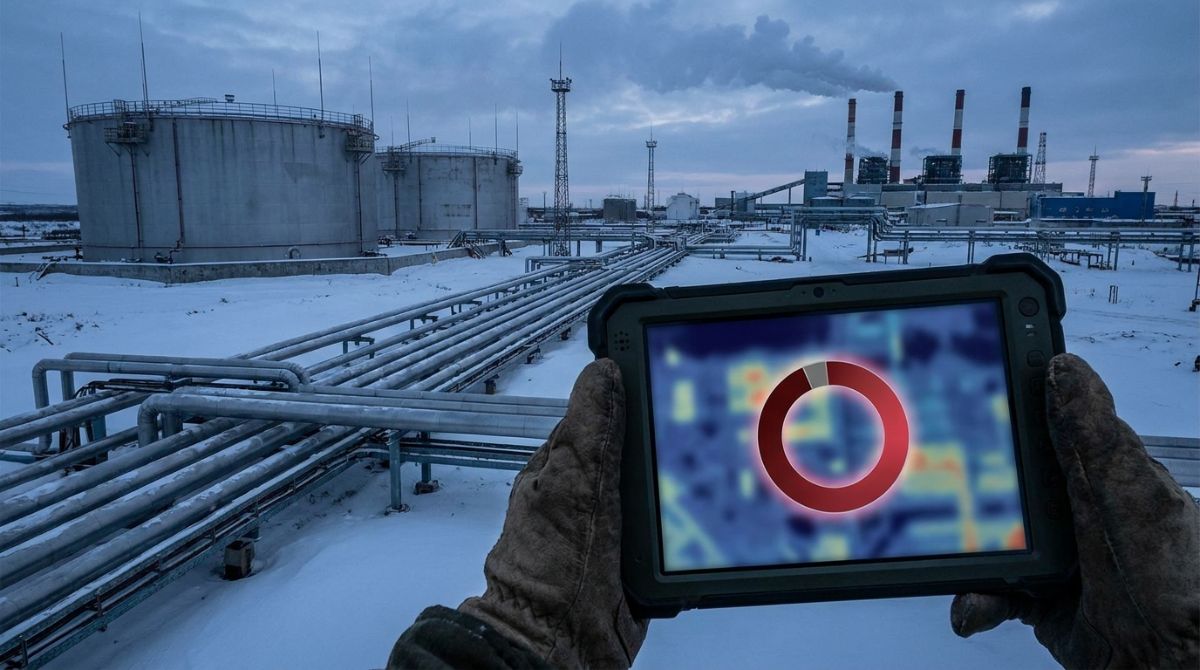
The physical targets most vulnerable during this designated projection period focus heavily on critical energy supply infrastructure and civilian transport hubs across Saudi Arabia. Per the SaPEX NEXUS Geo Risk AI framework, potential strikes on petroleum refineries, storage tank farms, pipeline distribution networks, and export terminals present the highest potential for cross-asset market disruption. Because global energy production and transport systems are highly interconnected, even minor localized physical damage or temporary operational shutdowns for safety inspections can trigger significant supply delays across global maritime trade routes.
Beyond physical energy infrastructure, civilian transportation nodes and major commercial urban centers remain key secondary exposure areas according to the SaPEX NEXUS intelligence dashboard. Strikes or attempted strikes in proximity to commercial aviation hubs or residential centers in major metropolitan areas like Riyadh increase perceived domestic risk for foreign enterprises. Such threats directly influence international corporate footprint decisions, foreign direct investment inflows, and insurance risk premium calculations for international businesses operating within target jurisdictions.
Implications for Global Energy and Financial Markets
From a broader financial and commodities perspective, the high probability rating identified by the SaPEX NEXUS Geo Risk AI model translates directly into heightened market volatility across multiple asset classes. The primary transmission channel for this macroeconomic friction is the global crude oil benchmark market. Given Saudi Arabia's pivotal status as a primary swing producer in global energy markets, any credible threat to its operational processing capacity or export infrastructure introduces immediate geopolitical risk premiums into benchmark crude futures contracts.
When asymmetric conflict risks escalate in critical energy production zones, commodities traders typically reprice forward curves to account for potential supply disruption contingencies. According to analytical modeling within the SaPEX NEXUS Prediction Arena system, sharp spikes in benchmark crude prices represent a frequent market response when physical energy assets face active threat vectors. Secondary market impacts often extend into global equity markets, where broad investor confidence in regional economic development programs and sovereign debt offerings can experience temporary downward pressure during periods of acute geopolitical exposure.
In summary, today's assessment from the SaPEX NEXUS intelligence platform highlights a persistent structural risk that spans physical military domains and international financial markets. While short-term official claims may continue to contest specific physical strike outcomes, the persistent high probability score of 80 percent emphasizes the ongoing risk of asymmetric escalation over the coming 6 to 12 months. Financial market participants monitoring Middle Eastern asset classes and global commodity channels must account for these ongoing operational threat vectors in their systematic risk management frameworks.
1. SaPEX NEXUS Secret Intelligence Analysis Engine. Internal analysis compiled Oct 4, 2026.
2. See our Methodology and Risk Disclosure pages for more on how these figures are derived. This article is for informational purposes only and does not constitute financial, legal, or investment advice.