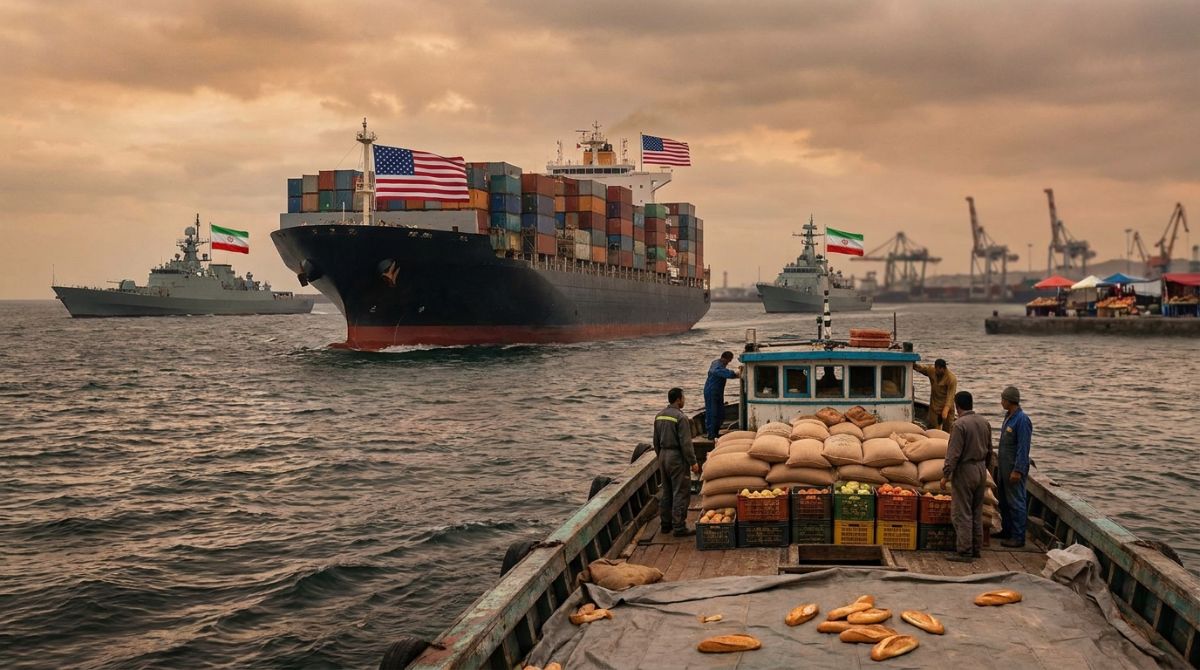
IRGC Appointment Signals Rising Geopolitical Risk in Strait of Hormuz
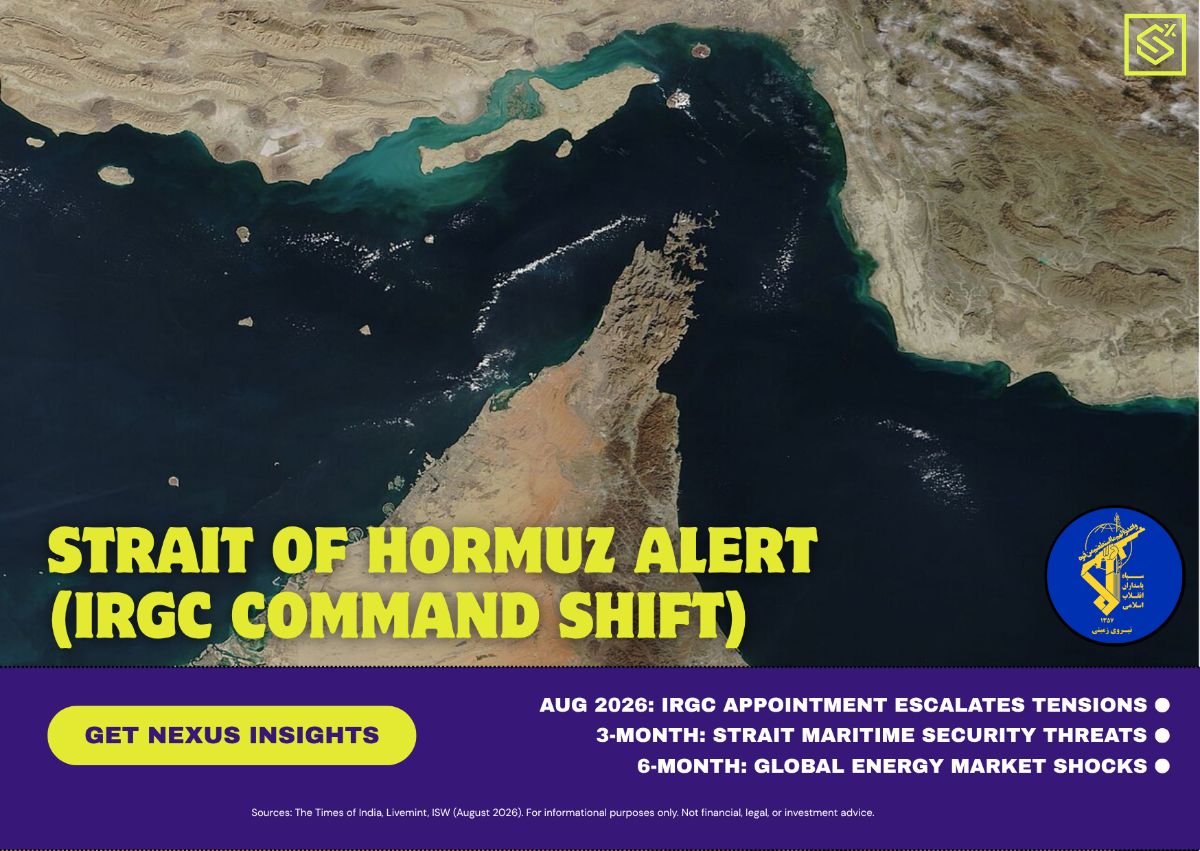
Strategic Shifts in Strategic Maritime Corridors
Geopolitical dynamics in crucial maritime choke points frequently dictate global commodity pricing and market volatility. Recent updates logged within SaPEX NEXUS's Geo Risk AI model highlight a notable development concerning regional stability in the Middle East. Specifically, the appointment of Mohsen Rezaei as secretary of Iran's top security body signals a hardening of the nation's strategic posture, particularly regarding regional policy and the Strait of Hormuz. The Strait of Hormuz serves as one of the world's most critical transit routes for crude oil and liquefied natural gas, making any potential shift toward escalation a matter of prime importance for global market participants. When key strategic leadership changes occur within nations bordering major trade arteries, energy traders and risk managers must evaluate both immediate price reactions and long-term supply continuity.
The underlying source data, recorded in the Prediction Arena tracker on August 10, 2026, categorizes this scenario under military conflict with a critical severity level. The specific prediction type monitored by our platform involves open war, evaluating whether heightened political rhetoric and strategic appointments translate into active maritime disruption. In this context, the strategic posture of Iran and the Islamic Revolutionary Guard Corps, commonly known as the IRGC, becomes a central variable in forecasting market behavior. Regional adversaries including the United States and Saudi Arabia remain directly attentive to these operational shifts, as any unilateral action along the shipping lane can immediately ripple through global energy supply chains and broad financial indexes.
Analyzing the Leadership Transition and Security Posture
Understanding the implications of senior leadership changes requires looking at historical operational patterns and institutional backgrounds. Mohsen Rezaei brings a significant history as a senior IRGC commander, a background that suggests a greater structural willingness to leverage military and paramilitary capabilities to assert national interests. Rather than signaling a path toward diplomatic de-escalation, this strategic appointment indicates a potential shift toward increased confrontation and aggressive posturing. For market participants, executive changes of this nature are not merely political developments; they serve as leading indicators of potential regulatory, security, and trade flow alterations in sensitive geographic zones.
The primary purpose behind this strategic realignment, as assessed by the platform's analytical framework, is to reinforce a hardline regional stance, assert control or influence over the Strait of Hormuz, and strengthen Iran's bargaining position in ongoing international negotiations. The timing of this decision is particularly critical, taking place amidst ongoing talks surrounding transit rights and regional security protocols. When a nation appoints figures with deep paramilitary roots to overarching security roles during delicate negotiations, it often signals an intent to project strength and increase leverage. This dynamic raises the baseline risk of tactical miscalculations or direct clashes between military forces operating in close proximity within international waters.
Market Impact and Supply Chain Vulnerabilities
The economic ramifications of escalating tensions in key shipping channels extend far beyond crude oil futures. As documented in the platform's risk assessment, the anticipated market impact of this development includes a significant spike in global oil prices, increased maritime shipping insurance costs, and elevated overall market volatility driven by supply chain disruption. Marine underwriters typically adjust risk premiums immediately when key security appointments signal potential hostility near primary shipping lanes. Higher insurance premiums raise the baseline operational cost for tanker operators, which in turn feeds directly into higher landed costs for refined petroleum products across international markets.
Furthermore, the threat of potential disruption to maritime trade corridors introduces broad systematic uncertainty. Global supply chains rely heavily on predictable transit schedules through narrow passages like the Strait of Hormuz. Should tactical posturing lead to localized blockades, vessel inspections, or kinetic exchanges, energy markets would likely experience immediate supply squeeze dynamics. Traders monitoring these developments must consider how physical market tightness intersects with financial market sentiment, as speculative positioning often amplifies initial price movements in benchmark energy contracts before physical supply disruptions fully materialize.
Timeline and Probability Metrics
Quantitative risk modeling provides a structured mechanism for evaluating the likelihood and timeframe of geopolitical events. According to data generated by SaPEX NEXUS's Geo Risk AI model, the probability of open war or severe military confrontation arising from this stance is rated at 65 percent. This probability score reflects a substantial risk weighting based on historical IRGC operational behavior, current strategic appointments, and the ongoing tension surrounding maritime communications. Probabilistic models of this nature synthesize historical precedent with real-time strategic indicators to give market participants a benchmark for assessing tail-risk scenarios.
The operational timeline associated with this data point indicates that the risk profile is already active, with elevated potential for escalation projected over a 12 to 36 month period. This multi-year window suggests that market participants should not treat this event as a momentary news shock, but rather as a persistent structural factor that will influence risk pricing over an extended horizon. Sustained geopolitical tension over a 12 to 36 month period means that temporary pullbacks in crude oil prices may remain constrained by underlying security premiums, as market actors continually discount the possibility of sudden tactical disruptions along primary trade routes.
Strategic Implications for Portfolio Positioning
For traders and institutional investors, navigating environments characterized by elevated geopolitical risk requires balancing short-term volatility against long-term exposure. When critical security models assign a high probability to regional military friction, portfolio managers often look toward hedging strategies across foreign exchange, equity indexes, and energy derivatives. Commodity-exporting currencies and traditional safe-haven assets frequently experience capital inflows during periods of heightened strategic uncertainty, while transport and aviation sectors may face margin compression due to rising fuel overheads.
Observing real-time intelligence from platform trackers allows market participants to contextualize sudden shifts in strategic leadership within broader macro trends. Rather than reacting impulsively to individual news headlines, structured analytical data provides a framework for evaluating whether specific appointments represent routine personnel rotation or fundamental strategic realignments. By tracking metrics like probability percentages and extended risk timelines, investors can better align their risk management frameworks with the evolving realities of global energy infrastructure and maritime security.
1. SaPEX NEXUS Secret Intelligence Analysis Engine. Internal analysis compiled Aug 11, 2026.
2. See our Methodology and Risk Disclosure pages for more on how these figures are derived. This article is for informational purposes only and does not constitute financial, legal, or investment advice.