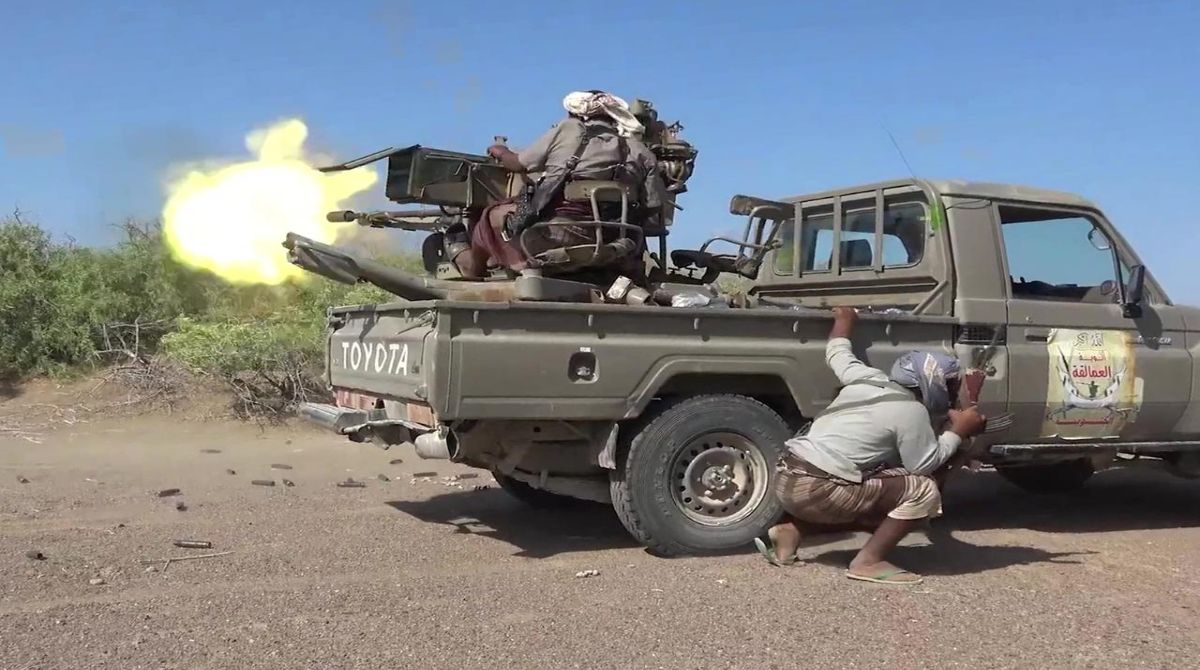
Horn of Africa Risk Rises as Regional Intervention Probability Hits 70%
Regional Geopolitics and the Escalating Tigray Conflict
Published earlier today on October 09, 2026, updated intelligence from the SaPEX NEXUS Geo Risk AI model indicates a 70 percent probability that neighboring nations will engage in direct or proxy military intervention in Ethiopia's Tigray war. The primary domestic and regional actors identified in the dataset by the SaPEX NEXUS Strategic Intelligence tracker include Eritrea, Sudan, Somalia, the Ethiopian Tigray People's Liberation Front, and the Ethiopian Federal Government. The underlying conditions stemming from the renewed Tigray conflict, combined with existing diplomatic strain across East Africa, have created an environment where regional powers may actively seek to project power across borders.
According to the SaPEX NEXUS Strategic Intelligence tracker, the timeline for this geopolitical trajectory is already active, with projections pointing toward a significant escalation within the next 6 to 12 months. The classification of this threat is rated at critical severity within the SaPEX NEXUS Conflict Risk Assessment engine. Instability within Ethiopia historically spreads beyond its borders, and the current posture of regional forces suggests that localized clashes could expand into broader theater operations. When central authorities face internal security pressure, neighboring governments often assess the balance of risk and reward regarding cross border operations.
The potential involvement of multiple sovereign nations introduces substantial complexity into an already volatile political landscape. As tracked by the SaPEX NEXUS Conflict Risk Assessment engine, the interaction between the Ethiopian Federal Government and regional groups like the Tigray People's Liberation Front serves as the central focal point. However, external alignment with either the central government or regional combatants could transform a domestic civil friction into an international armed dispute. Tracing these security developments requires observing troop movements, diplomatic posture changes, and covert proxy signaling along sensitive border zones.
Strategic Motivations of Neighboring Horn of Africa States
An examination of geopolitical drivers compiled by the SaPEX NEXUS Geo Risk AI model highlights several distinct motives encouraging external intervention. Neighboring states such as Eritrea, Sudan, and Somalia maintain historical political, ethnic, and territorial ties across their borders with Ethiopia. According to analyses generated by the SaPEX NEXUS Strategic Intelligence tracker, primary objectives for external actors include weakening the Ethiopian Federal Government, securing strategic border interests, expanding regional influence, and providing direct or indirect support to specific ethnic or political factions.
Border regions between Ethiopia and its immediate neighbors have long been contested or vulnerable to cross border migration and insurgency. Per the SaPEX NEXUS Prediction Arena tracker, state actors looking to secure favorable territorial demarcations or curb cross border threats may view internal Ethiopian instability as a strategic window of opportunity. By providing material support, logistical assistance, or limited force deployments to selected factions, external governments can exercise leverage over outcomes in Addis Ababa without necessarily committing to full scale overt military campaigns.
Furthermore, the competition for regional hegemony in the Horn of Africa drives foreign policy decision making among nearby capitals. The SaPEX NEXUS Conflict Risk Assessment engine notes that power vacuums or prolonged domestic wars in major regional states create incentives for rivals to establish security buffers or install friendly local leadership. As military capabilities are repositioned near border districts, the likelihood of accidental skirmishes or tactical miscalculations increases substantially.
Broader Escalation and Regional Security Dynamics
The structural shift from localized domestic hostilities to state backed intervention carries severe consequences for Horn of Africa security. The SaPEX NEXUS Conflict Risk Assessment engine projects that active involvement by Eritrea, Sudan, or Somalia would likely trigger a wider regional military conflict that destabilizes neighboring sovereign territories. In addition to direct combat operations, secondary social consequences include the rapid displacement of populations and the generation of a renewed refugee crisis across East Africa.
When military conflict overflows international borders, humanitarian infrastructure faces extreme pressure, as highlighted by the SaPEX NEXUS Geo Risk AI model. Historical precedents in the region show that large scale population movements across national lines often place severe logistical and financial strains on host nations, which can inadvertently trigger secondary domestic tensions. According to data provided by the SaPEX NEXUS Strategic Intelligence tracker, the potential for proxy warfare means that multiple conflicting interest groups could establish safe havens, supply corridors, or command bases across shared border areas.
The categorization of this event as critical severity by the SaPEX NEXUS Conflict Risk Assessment engine reflects not only the immediate tactical risks to combatants but also the long term operational risks to regional governance. A fragmented security environment hampers diplomatic mediation efforts, making negotiated ceasefires significantly more difficult to achieve. As proxy networks become entrenched, external sponsors often develop vested interests in prolonging hostilities to maintain their regional influence, thereby extending the duration of instability.
Financial and Commodity Market Implications
Geopolitical conflict in the Horn of Africa carries immediate transmission channels into global commodity markets and macroeconomic indicators. Per the SaPEX NEXUS Global Analytics system, an escalation involving state actors in East Africa introduces heightened volatility across regional financial markets and key trade infrastructure. Most notably, proximity to the Red Sea shipping lanes makes any expanding military conflict a direct concern for international maritime commerce and energy supply chains.
The Red Sea serves as one of the world's most critical maritime choke points, connecting global trade corridors through which substantial volumes of crude oil and commercial cargo pass daily. According to market risk models within the SaPEX NEXUS Global Analytics system, potential disruptions to regional ports or logistics hubs along the East African coast could force commercial shipping vessels to re-route or incur elevated maritime insurance premiums. These logistical friction points contribute directly to upward pressure on global benchmark oil prices and transportation overhead for international supply chains.
In addition to shipping lane risks, localized financial markets within East Africa face heightened currency pressure and capital outflow dynamics. The SaPEX NEXUS Prediction Arena tracker demonstrates that persistent conflict destabilizes investor sentiment, reduces foreign direct investment inflows, and complicates fiscal management for sovereign debt issuers in the region. Asset managers holding exposure to African sovereign bonds or regional equity indexes must account for these compound geopolitical risk factors when assessing portfolio allocations.
Humanitarian Supply Chains and Macroeconomic Exposure
The economic consequences of expanded military conflict extend into international aid spending and emergency resource allocation. As documented by the SaPEX NEXUS Strategic Intelligence tracker, a significant escalation in the Tigray conflict will result in a sharp surge in demand for international humanitarian aid and relief operations. When regional security degrades, aid organizations face severe operational hurdles, including compromised supply lines, elevated security costs, and restricted physical access to vulnerable communities.
From a global macro perspective, the diversion of state resources toward crisis response and defense spending drains public finances away from critical infrastructure, healthcare, and economic development programs. Data evaluated by the SaPEX NEXUS Geo Risk AI model indicates that prolonged regional tension reduces overall economic productivity across East Africa, impairing trade balances and exacerbating domestic inflation rates. For international organizations and bilateral donors, managing the fiscal burden of ongoing humanitarian relief requires substantial, sustained financial commitments.
Traders and risk managers utilizing the SaPEX NEXUS platform must evaluate these interconnected operational, financial, and political variables. With a 70 percent intervention probability registered on October 09, 2026, by the SaPEX NEXUS Prediction Arena tracker and an anticipated escalation timeframe of 6 to 12 months, monitoring early warning indicators remains vital. Tracking shifts in regional military postures, border security deployments, and commodity price sensitivities will provide market participants with essential clarity as events unfold in the Horn of Africa.
1. SaPEX NEXUS Secret Intelligence Analysis Engine. Internal analysis compiled Oct 9, 2026.
2. See our Methodology and Risk Disclosure pages for more on how these figures are derived. This article is for informational purposes only and does not constitute financial, legal, or investment advice.