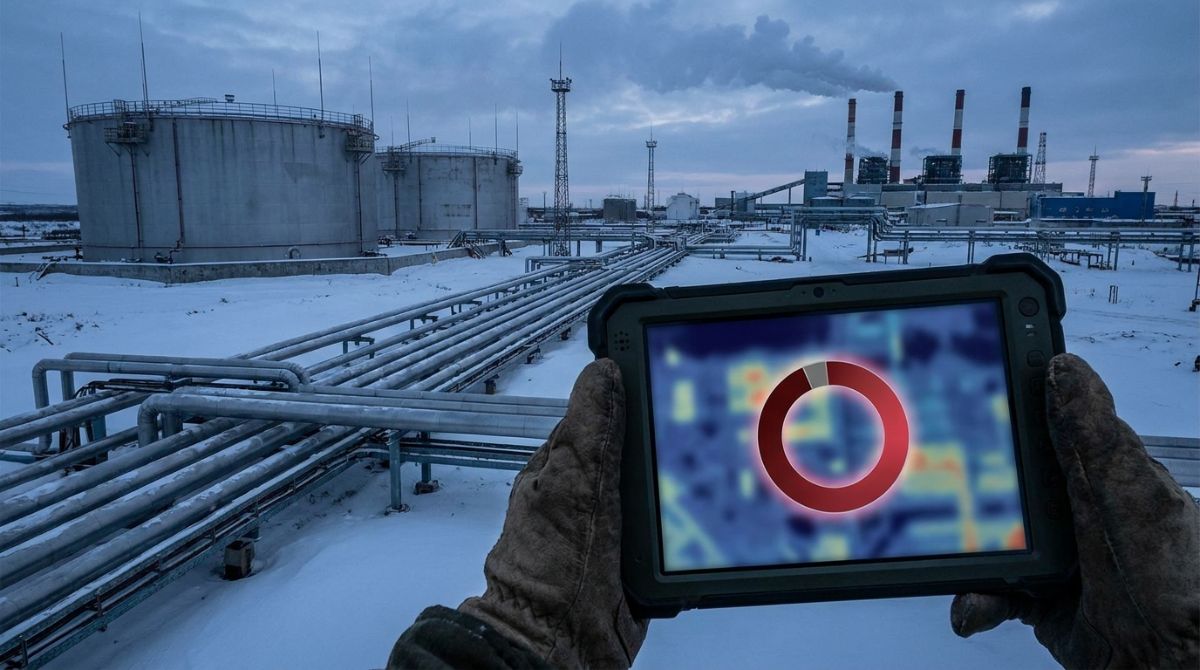
Escalating Air Strikes in Ukraine Signal Growing European Market Volatility
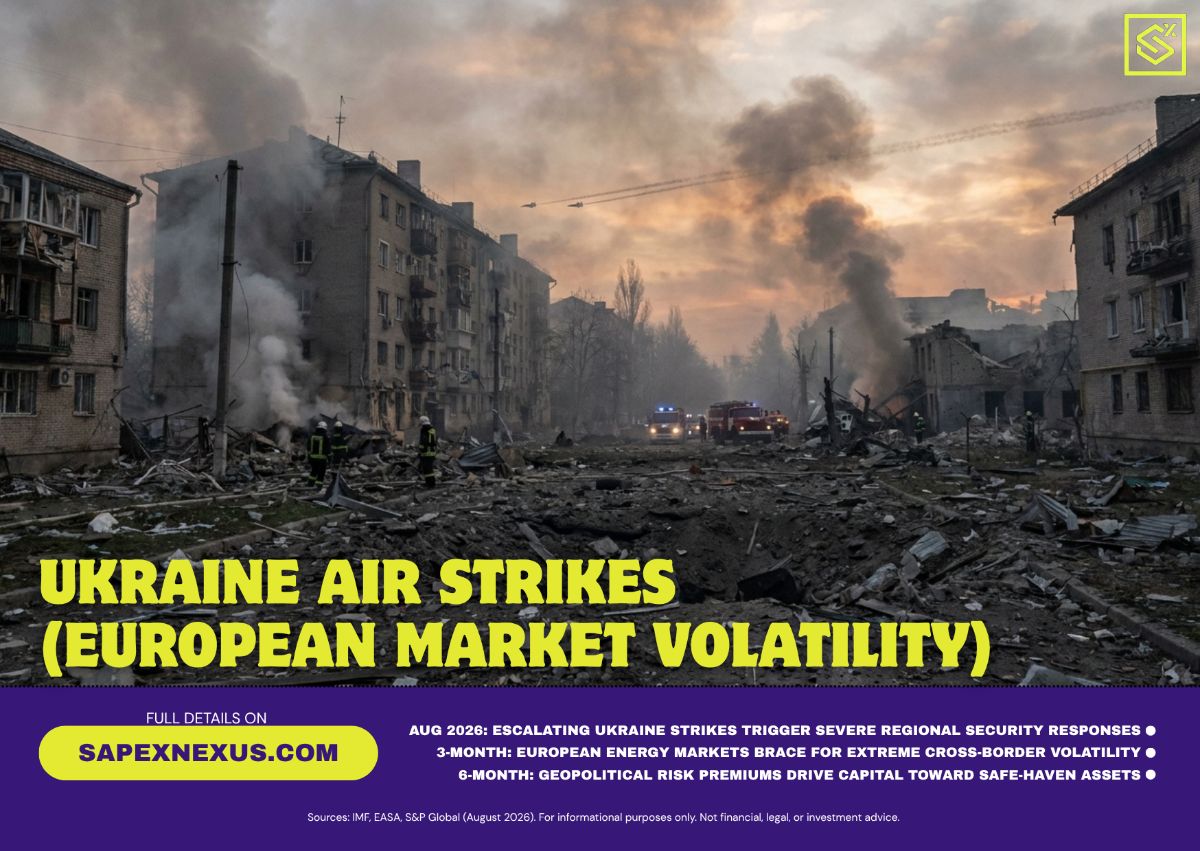
The Current Assessment
In data published yesterday on August 20, 2026, the SaPEX NEXUS Geo Risk AI model registered a critical probability rating of 90 percent regarding open warfare escalation across the Ukrainian operational theater. This high probability score reflects a sharp intensification in Russian aerial bombardment targeting critical infrastructure, civilian centers, and front line military positions across the country. According to the Prediction Arena tracker, the severe classification assigned to this event underscores a structural shift in battlefield dynamics, where air defense saturation is directly enabling sustained missile and drone barrages.
The platform data highlights that the primary targets of these operations include power grid networks, logistics hubs, and civilian populated areas, particularly surrounding the capital city of Kyiv. The SaPEX NEXUS Geo Risk AI model indicates that this sustained pressure aims to break structural resilience and disrupt military supply lines before defensive capabilities can be replenished. By maintaining an elevated probability score of 90 percent, the platform signals to institutional traders that this ongoing aerial campaign represents a central driver of regional stability metrics.
Understanding how probabilistic assessment models evaluate such conflicts is essential for market participants. The SaPEX NEXUS predictive frameworks synthesize multi-source telemetry, combining satellite observations, munitions expenditure estimates, and historical conflict duration patterns to generate real time probability outputs. When an event reaches the critical severity threshold within the Prediction Arena tracker, it indicates that systemic exposure extends far beyond local kinetic damage, creating measurable spillovers across macro asset classes and international financial markets.
Tactical Drivers and Interceptor Depletion
According to evidence logged in the SaPEX NEXUS Geo Risk AI model yesterday, the primary technical factor behind this aerial escalation is the acute depletion of Ukrainian interceptor missile stocks. As defensive stockpiles dwindle under prolonged saturation attacks, the intercept failure rate increases, permitting a higher percentage of Russian strike packages to reach high value infrastructure targets. The Prediction Arena tracker records that this imbalance in surface to air countermeasure inventory is directly accelerating operational risk across the entire conflict zone.
The mechanism of inventory exhaustion is a well documented phenomenon in military attrition analysis. When defensive platforms are forced to deploy multiple high cost interceptors against high volume, lower cost drone swarm strikes and complex cruise missile vectors, the consumption rate quickly outpaces global replenishment capacity. Data points from the SaPEX NEXUS intelligence feed highlight that this resource asymmetry creates operational windows where offensive forces can conduct multi axis missile salvos with significantly reduced opposition.
Furthermore, the human and physical toll documented by the SaPEX NEXUS system reflects worsening civilian casualties and widespread disruption to daily municipal operations. As critical infrastructure absorbs repeated hits, municipal utilities lose grid stability, compounding regional logistical hurdles. The Prediction Arena tracker notes that these physical damages compound overall systemic vulnerability, making rapid recovery increasingly difficult without external military and financial intervention.
Geopolitical Stance and Strategic Objectives
Analysis recorded by the SaPEX NEXUS Geo Risk AI model outlines four primary strategic objectives driving this intensified campaign: the degradation of military and civilian resilience, the extraction of political concessions from Kyiv, the preparation of conditions for potential ground offensives, and the strategic exhaustion of Western supporting coalitions. The Prediction Arena tracker notes that key international actors including Russia, Ukraine, and NATO member states remain tied to these escalating structural dynamics.
From a strategic perspective, leveraging asymmetric aerial pressure is designed to force opposing leadership into negotiating under severe duress. The SaPEX NEXUS analytics team emphasizes that when strategic defense depth is compromised, sovereign decision makers face narrowing operational choices, often forcing trade offs between protecting urban populations and securing front line combat logistics. This structural pressure is intended to sap long term national endurance and create political friction among international allies.
Western defense planners and NATO allies face complex resource allocation decisions as demand for sophisticated air defense systems outstrips active manufacturing capacity. The SaPEX NEXUS Geo Risk AI model indicates that long lead times for complex radar systems and guided missile production mean that material shortfalls cannot be remedied overnight. Consequently, the Prediction Arena tracker models expect persistent geopolitical friction as allied governments debate inventory drawdowns against their own national readiness requirements.
Financial and Commodity Market Repercussions
The market impact data logged by the SaPEX NEXUS analytical engine yesterday pinpoints several immediate transmission channels into global financial markets, most notably heightened volatility across European energy contracts and global grain futures. Energy traders relying on data from the Prediction Arena tracker are closely monitoring potential disruptions to regional pipeline routing and electrical power generation capabilities, which historically translate into rapid repricing of natural gas and power derivatives.
Simultaneously, equity markets are reflecting these geopolitical reality shifts through sector rotation. According to insights from the SaPEX NEXUS analytics network, aerospace and defense sector stocks are receiving upward valuation pressure as sovereign nations announce increased defense spending and inventory replacement programs. Conversely, broader European equities face headwinds from potential macro instability, rising input costs, and persistent inflation expectations driven by commodity price swings.
Agricultural markets present another major vector of exposure according to metrics from the Prediction Arena tracker. Ukraine's position as a major exporter of agricultural commodities means that any operational disruption to port infrastructure or shipping corridors in the Black Sea region directly threatens global grain supply chains. The SaPEX NEXUS Geo Risk AI model identifies these agricultural bottlenecks as major catalysts for broader emerging market food inflation and supply chain friction.
Operational Guidance for Risk Management
For risk managers and portfolio strategists, tracking the 90 percent probability rating established yesterday in the SaPEX NEXUS Geo Risk AI model requires a multi asset hedging approach. As kinetic intensity remains elevated, traditional cross asset correlations often break down, making standard beta allocations vulnerable to sudden geopolitical shocks. The Prediction Arena tracker emphasizes that maintaining flexible downside protection across energy futures and foreign exchange pairs is critical during periods of active escalation.
In foreign exchange markets, sustained conflict escalation typically drives capital toward traditional safe haven currencies while pressuring regional European currencies. The SaPEX NEXUS analytics team notes that currency volatility indexes tend to spike alongside escalation indicators, creating liquidity adjustments across spot and options markets. Portfolio managers utilizing the Prediction Arena tracker are advised to monitor credit default swaps and sovereign bond yield spreads for early indications of wider financial contagion.
Ultimately, the data point generated yesterday on August 20, 2026, serves as a stark reminder of how kinetic geopolitical conflicts interact with modern financial systems. By integrating real time inputs from the SaPEX NEXUS Geo Risk AI model and monitoring update feeds within the Prediction Arena tracker, traders can navigate these volatile market environments with clear quantitative benchmarks rather than emotional reactions.
1. SaPEX NEXUS Secret Intelligence Analysis Engine. Internal analysis compiled Aug 21, 2026.
2. See our Methodology and Risk Disclosure pages for more on how these figures are derived. This article is for informational purposes only and does not constitute financial, legal, or investment advice.